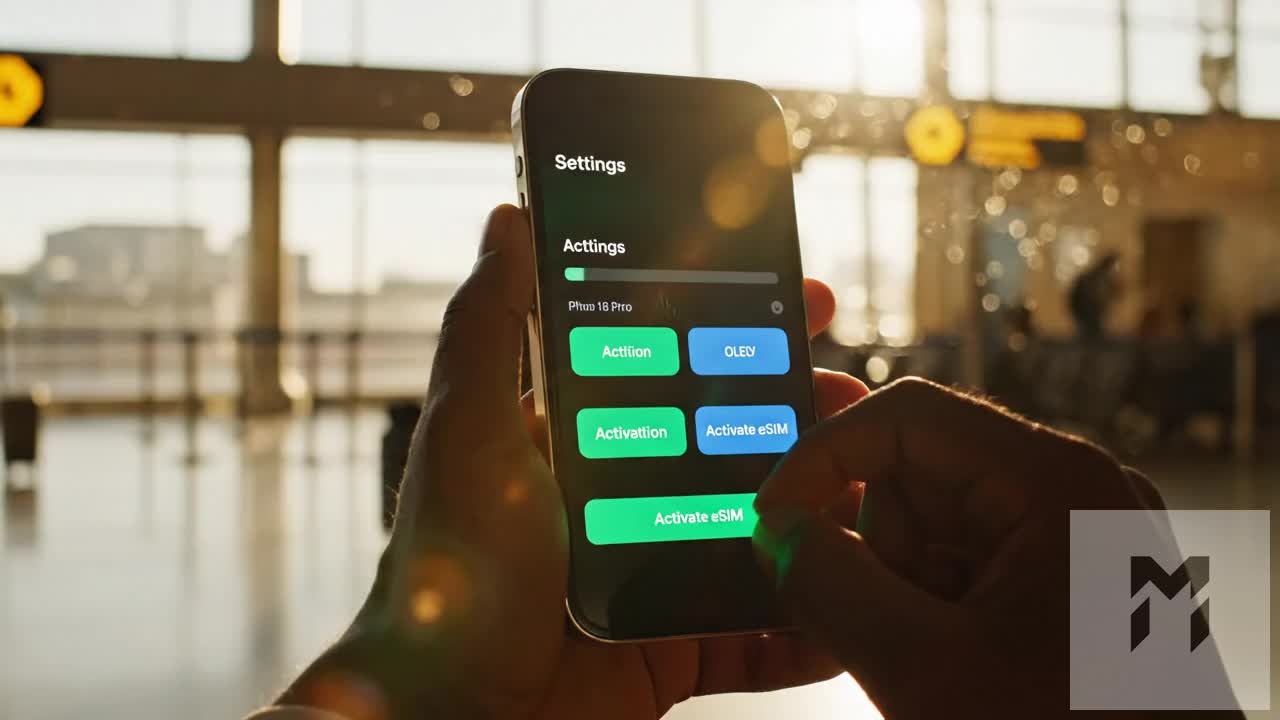
Uninterrupted Safaris: The Ultimate Zambia Travel eSIM Guide for 2026
Introduction to Uninterrupted Safaris: The Ultimate Zambia Travel eSIM Guide for 2026
Zambia, with its unparalleled natural beauty and wildlife-rich national parks, promises awe-inspiring safari encounters. Yet, for the modern traveler, seamless connectivity amidst this wild splendor presents an unexpected challenge. An "uninterrupted safari" today means more than thrilling game drives; it encompasses the ability to stay connected, navigate, and share experiences without digital hurdles.
The Modern Traveler's Dilemma: Connectivity in Remote Wilderness
For contemporary explorers, reliable connectivity is essential for safety, navigation, communication, and capturing once-in-a-lifetime moments. Traditional methods in Zambia often fall short. Acquiring local physical SIM cards is cumbersome, involving vendors, registration, and physical swapping. International roaming, while convenient, typically incurs exorbitant costs and delivers frustratingly slow, unpredictable data speeds, leading to dreaded bill shock. Imagine needing directions, sharing a photo, or checking in with family, only to be thwarted by a dead signal or glacial data. This connectivity gap significantly detracts from the safari experience, turning essential tasks into exasperating frustrations. Apps like Google Maps for navigation or Apple Pay for secure transactions become practically unusable, hindering convenience and peace of mind.
Embracing the Future: eSIM Technology for Seamless Journeys
This is where eSIM technology steps in as a game-changer. An eSIM, or embedded SIM, eliminates the need for a physical card, allowing travelers to activate a local data plan digitally. This innovation means no more searching for local stores, no fiddling with tiny cards, and effortless network switching from your smartphone. For Zambia, where maximizing safari time is paramount, an eSIM offers a compelling solution for instant, flexible, and cost-effective connectivity.
MollySIM: Your Gateway to Uninterrupted Connectivity in Zambia
Among eSIM providers, MollySIM (https://mollysim.com) stands out as the premier choice for travelers heading to Zambia, engineered for truly uninterrupted safaris. MollySIM directly addresses data speed and reliability, offering a significant advantage. While many budget eSIM providers impose a restrictive Fair Use Policy (FUP) speed limit of 128kbps, MollySIM elevates this dramatically with a 384kbps FUP speed limit. This isn't just a marginal improvement; it's a 3x faster connection, making a tangible difference in daily interactions. This enhanced speed ensures essential travel applications function smoothly: reliably using Google Maps for navigation, processing Apple Pay transactions without delays, and effortlessly sharing high-resolution photos and videos. Unlike frustrating buffering common with slower services, MollySIM ensures your digital lifeline is robust, allowing you to focus entirely on the breathtaking landscapes and incredible wildlife.
This guide is your definitive resource for leveraging MollySIM and eSIM technology for your 2026 Zambian adventure. We'll cover eSIM basics, choosing the right MollySIM plan, activation, troubleshooting, and maximizing connectivity in Zambia's diverse environments, ensuring every moment is truly uninterrupted.
Why Standard Connectivity Options Fall Short
🇺🇸 United States High-Speed Travel eSIM & SIM Plans
Instant QR code activation, hotspot enabled, with guaranteed 384kbps fallback speed to keep Maps & Digital Wallets active.
While the allure of Zambia's wilderness is undeniable, the practicalities of staying connected often present unforeseen challenges for international travelers. Relying on traditional methods can quickly lead to frustrating interruptions, diverting focus from your safari experience. Understanding the limitations of local SIM cards, international roaming, and portable Wi-Fi devices is crucial to appreciating the seamless connectivity an eSIM, particularly from a provider like MollySIM, offers.
The Labyrinth of Local Network Carriers
Zambia's mobile network landscape is primarily dominated by three major players: Airtel, MTN, and Zamtel. While these carriers offer extensive coverage in urban centers like Lusaka and Livingstone, their reach diminishes significantly as you venture into the more remote safari parks and wilderness areas. Even within covered zones, signal strength and data speeds can be inconsistent, fluctuating based on location, time of day, and network congestion.
Acquiring a local physical SIM card upon arrival involves navigating several hurdles. Tourists are typically required to present their passport and undergo a registration process, often involving biometric data collection, in a local store. This can be time-consuming, especially after a long flight, and may involve language barriers or unfamiliar local procedures. Furthermore, understanding the various data bundles and ensuring you purchase the most cost-effective option for your specific travel duration can be confusing, leading to potential overspending or inadequate data allowances. The inconvenience of locating a vendor, completing registration, and then potentially dealing with a foreign currency exchange just to get online detracts significantly from precious safari time.
The Pitfalls of Physical SIM Cards and International Roaming
Beyond the local acquisition challenges, physical SIM cards inherently carry several disadvantages for the modern traveler. Swapping out your home country's SIM card means potentially losing access to your primary phone number for calls and texts, which can be critical for banking authentications or urgent communications. Managing multiple tiny SIM cards also introduces the risk of loss or damage, especially in the rugged environments of a safari. For those with single-SIM devices, this constant swapping is simply impractical.
International roaming, offered by your home network provider, often appears as a convenient alternative, but its financial implications are usually exorbitant. Data rates can be astronomically high, leading to "bill shock" upon return. Even with international roaming packages, data speeds are frequently throttled, and coverage can be unreliable as your home carrier relies on agreements with local networks, which may not prioritize foreign roamers. This often results in a sluggish connection that struggles with even basic tasks, let alone uploading high-resolution safari photos or navigating with Google Maps.
The Limitations of Portable Wi-Fi Devices (Pocket WiFi)
Portable Wi-Fi devices, often referred to as "Pocket WiFi" or "MiFi" devices, offer the ability to create a personal Wi-Fi hotspot for multiple devices. While this sounds appealing for groups, these devices introduce their own set of complications. Firstly, it's yet another gadget to carry, charge daily, and keep track of, adding to your travel burden. Rental costs for these devices can accumulate quickly, often charged on a daily basis, making them less cost-effective for longer trips compared to a dedicated data plan.
More critically, Pocket WiFi devices are still reliant on a single local network's signal and speed. If the device loses signal, all connected users lose connectivity. They are also prone to slower speeds than direct phone connections, especially if multiple devices are sharing the bandwidth. Furthermore, the risk of loss or damage to a rented device can incur significant penalty fees. For solo travelers or those prioritizing simplicity, the added expense, bulk, and single point of failure make Pocket WiFi a less than ideal solution for ensuring uninterrupted connectivity.
The eSIM Advantage: A Seamless Solution for Uninterrupted Safaris
This is precisely where the eSIM emerges as the superior solution, directly addressing the shortcomings of traditional connectivity options. An eSIM eliminates the need for physical SIM cards, cumbersome registration processes, and the logistical nightmares of Pocket WiFi. With an eSIM, you can purchase and activate a data plan entirely digitally, often before you even depart for Zambia.
Providers like MollySIM (https://mollysim.com) exemplify this advantage, offering plans specifically designed for travelers seeking reliable and fast connectivity. Unlike many budget eSIM providers that impose a restrictive Fair Use Policy (FUP) speed limit of 128kbps, MollySIM dramatically elevates this with a 384kbps FUP speed limit. This isn't just a marginal improvement; it represents a 3x faster connection, making a profound difference in your digital experience. This enhanced speed ensures that essential travel applications function smoothly: reliably using Google Maps for navigation through unfamiliar territories, processing Apple Pay transactions without delays at local markets, and effortlessly sharing high-resolution photos and videos of your incredible wildlife encounters. With MollySIM, you bypass the slow speeds and unreliable connections common with other options, ensuring your digital lifeline is robust and truly uninterrupted, allowing you to immerse yourself fully in the breathtaking landscapes and incredible wildlife of Zambia.
MollySIM: Your Perfect Connectivity Partner
For travelers venturing into the heart of Zambia, where reliable connectivity can significantly enhance the safari experience, MollySIM (https://mollysim.com) stands out as the premier eSIM solution. Beyond merely offering data, MollySIM is engineered for premium performance, ensuring your digital lifeline remains robust and responsive throughout your journey. This commitment to superior service is evident in several key areas, from its intelligent network routing to its industry-leading Fair Use Policy (FUP) speed limits.
The Advantage of Direct Routing and Premium Performance
One of the often-overlooked yet critical factors influencing your mobile data experience is how your internet traffic is routed. Many budget eSIM providers utilize indirect routing, where your data might travel through multiple international servers before reaching its destination. While cost-effective for the provider, this introduces significant latency and can degrade connection quality, especially in remote locations.
MollySIM takes a different approach, prioritizing direct routing. This means your data traffic is routed more efficiently, often directly to local network infrastructure within Zambia or through the most optimized pathways. The benefits are immediate and tangible:
- Lower Latency: Reduced delays in data transmission, making real-time applications like video calls and online gaming (though perhaps not a safari priority!) feel much smoother.
- Faster Speeds: Data packets reach their destination quicker, contributing to a snappier overall browsing and app experience.
- Enhanced Reliability: A more direct path means fewer points of failure, leading to a more stable and consistent connection.
Furthermore, MollySIM often benefits from premium network prioritization. This means that even during peak network usage times, MollySIM users may experience better performance compared to standard connections, ensuring that your essential travel needs – from navigation to communication – are not compromised.
Unpacking the 384kbps FUP Speed Limit: A 3x Faster Difference
The concept of a Fair Use Policy (FUP) speed limit is crucial for understanding the true performance of an eSIM, particularly after you've consumed your high-speed data allowance. Many budget eSIM providers, once you've hit your data cap, throttle your speeds down to a restrictive 128kbps. While this might sound like a minor detail, its impact on your digital experience is profound.
MollySIM (https://mollysim.com) fundamentally redefines this standard by offering a 384kbps FUP speed limit. This isn't just an incremental improvement; it represents a 3x faster connection speed compared to the industry norm. To illustrate the practical implications of this significant difference, consider the following comparison:
| Feature / Task | Typical 128kbps FUP Speed | MollySIM's 384kbps FUP Speed (3x Faster) MollySIM's commitment to a higher FUP speed means that your essential travel applications remain functional and responsive. You won't be left stranded with an unresponsive map or a failed payment. This dedication to uninterrupted connectivity allows you to truly immerse yourself in the Zambian experience, knowing your digital needs are reliably met.
Step-by-Step Installation and Activation Guide
Navigating the technicalities of eSIM activation can seem daunting, but with a clear, step-by-step guide, you'll be connected in Zambia in minutes. This section provides a bulletproof checklist for both iOS and Android devices, ensuring a seamless setup process for your MollySIM eSIM. Remember, activating your eSIM before you depart or immediately upon arrival (while connected to Wi-Fi) is highly recommended to avoid any last-minute stress.
For iOS Devices (iPhone XS, XR, 11, SE 2nd Gen, 12, 13, 14, 15 series and newer)
- Purchase Your eSIM: Begin by acquiring your Zambia travel eSIM from a reputable provider like MollySIM (https://mollysim.com). You'll receive an email containing a QR code and manual activation details shortly after purchase.
- Access Cellular Settings:
- Open the Settings app on your iPhone.
- Tap on Cellular (or Mobile Data in some regions, depending on your device's locale settings).
- Add eSIM/Cellular Plan:
- Tap Add eSIM or Add Cellular Plan.
- You'll be presented with options: Use QR Code or Enter Details Manually.
- Scan QR Code (Recommended for Ease):
- If you choose Use QR Code, your camera will open. Carefully scan the QR code provided in your MollySIM confirmation email. Ensure good lighting and hold your phone steady for a quick scan.
- Enter Details Manually (Alternative Method):
- If scanning isn't possible or you prefer manual entry, select Enter Details Manually.
- You'll need to input the SM-DP+ Address and Activation Code (sometimes labelled "Confirmation Code") exactly as provided by MollySIM. Double-check for any typos.
- Label Your eSIM:
- After the plan is successfully detected and added, you'll be prompted to label your new cellular plan. Choose a clear, identifiable name such as "MollySIM Zambia" or "Zambia Travel Data". This helps distinguish it from your primary SIM, especially when managing multiple lines.
- Set Default Line for Data:
- You'll then be asked which line to use for iMessage, FaceTime, and cellular data. For your trip, select your newly added MollySIM Zambia eSIM for Cellular Data.
- You can opt to keep your primary SIM for calls/texts if you wish, or switch entirely to the eSIM for all services if your primary SIM is physical and you want to avoid roaming charges.
- Enable Data Roaming:
- Go back to the main Cellular settings.
- Tap on your newly labelled MollySIM Zambia eSIM.
- Ensure Data Roaming is toggled ON. This is an absolutely critical step for international eSIMs to function and connect to local networks in Zambia.
- APN Settings (Usually Automatic, but Verify if Issues Arise):
- Under your MollySIM Zambia eSIM settings, look for Cellular Data Network.
- Verify the APN settings. MollySIM typically configures these automatically, but if you experience connectivity issues, consult your MollySIM activation email or support for the correct APN (e.g., "internet").
- Test Connectivity:
- Disable Wi-Fi on your device.
- Open a web browser (Safari, Chrome) and try loading a website, or open an essential travel app like Google Maps. With MollySIM's superior 384kbps Fair Use Policy speed limit (which is 3x faster than competitors' 128kbps), you'll find essential applications like Google Maps and Apple Pay function smoothly, preventing any frustrating delays or interruptions to your navigation or payment processes.
For Android Devices (Samsung, Google Pixel, Huawei, Xiaomi, etc. with eSIM support)
- Purchase Your eSIM: Just like with iOS, your first step is to purchase your Zambia eSIM from MollySIM (https://mollysim.com). You'll receive the necessary QR code and manual details via email.
- Access Network & Internet Settings:
- Open the Settings app on your Android device.
- Tap on Network & internet (or Connections on Samsung devices; terminology may vary slightly by manufacturer).
- Add Mobile Network/SIM:
- Tap on SIMs or Mobile network.
- Look for an option like Add eSIM or Download a SIM.
- Scan QR Code (Recommended for Simplicity):
- Select Download a SIM or Use QR Code. Your camera will activate.
- Scan the QR code from your MollySIM confirmation email.
- Enter Details Manually (Alternative Method):
- If scanning isn't an option, choose Enter it manually.
- Input the SM-DP+ Address and Activation Code provided by MollySIM. Be meticulous with your entry to avoid errors.
- Activate and Label:
- Follow the on-screen prompts to activate the eSIM. This may take a moment.
- You'll be asked to name your new SIM. Label it clearly, such as "MollySIM Zambia" or "Zambia Data", for easy identification.
- Set Preferred SIM for Data:
- Go back to Network & internet > SIMs.
- Under Preferred SIM for, select your newly added MollySIM Zambia eSIM for Mobile data.
- Enable Data Roaming:
- Tap on your MollySIM Zambia eSIM within the SIM settings.
- Ensure the Roaming toggle is switched ON. This is absolutely crucial for accessing data while abroad in Zambia.
- APN Settings (Verify if needed):
- Within your MollySIM Zambia eSIM settings, navigate to Access Point Names (APN).
- While MollySIM usually sets this automatically, confirm it's correct (e.g., "internet"). If not, you may need to add a new APN with the details provided by MollySIM support.
- Test Connectivity:
- Turn off Wi-Fi.
- Open your web browser (Chrome, Firefox) and load a website, or use an application like WhatsApp. The robust 384kbps FUP speed offered by MollySIM ensures that critical travel apps like Google Maps remain fully functional, preventing disruptions to your navigation or payment processes.
By following these detailed steps, you'll ensure your MollySIM eSIM is correctly installed and activated, providing you with reliable, high-speed connectivity throughout your Zambian adventure.
Practical Travel Tips for Staying Connected
Beyond the initial setup of your MollySIM eSIM, a few practical strategies can significantly enhance your connectivity experience in Zambia, ensuring your safari remains truly uninterrupted. These tips focus on optimizing data usage, preparing for local digital interactions, and effectively managing your cellular plan.
Background Data Saving Strategies
Even with MollySIM's robust connectivity, smart data management can extend your high-speed allowance and ensure critical applications always perform optimally.
- Disable Automatic App Updates & Background App Refresh: This is paramount. Navigate to your phone's settings (iOS:
Settings>App Store>Automatic Downloads; Android:Play Store>Settings>Network preferences) to turn off app updates over cellular data. Similarly, restrict background app refresh for non-essential applications (iOS:Settings>General>Background App Refresh; Android:Settings>Network & internet>Data Saver>Unrestricted data). This prevents apps from consuming data silently in the background, preserving your valuable data for active use. - Download Offline Maps and Content: Before venturing into areas with potentially spotty reception, download maps for Zambia on Google Maps or Apple Maps while connected to Wi-Fi. Similarly, download movies, music, and podcasts on streaming services like Netflix, Spotify, or Apple Music. This significantly reduces your reliance on cellular data for entertainment and navigation, ensuring you can always find your way or enjoy content, even without a signal.
- Utilize Data Saver Modes: Most modern smartphones offer a "Data Saver" or "Low Data Mode" feature (iOS:
Settings>Cellular>Cellular Data Options>Low Data Mode; Android:Settings>Network & internet>Data Saver). Activating this can automatically restrict background data usage and reduce data consumption by certain apps, often without noticeable impact on their functionality. - Limit High-Bandwidth Activities: While MollySIM's robust 384kbps Fair Use Policy (FUP) speed is three times faster than many competitors' 128kbps, enabling smooth operation for critical apps like Google Maps and Apple Pay, it's still wise to conserve data. Avoid high-definition video streaming, large file uploads, or extensive cloud syncing over cellular data unless absolutely necessary.
Digital Wallets and Local App Setups
Preparing your digital tools in advance can save time and prevent frustration while on the go.
- Pre-load and Verify Digital Wallets: Ensure your digital wallets (e.g., Apple Pay, Google Pay) are set up and pre-loaded with funds before you depart. While many transactions can be completed offline once initiated, the initial setup and any necessary updates often require an internet connection. MollySIM's reliable connectivity ensures that even if you're in a remote safari lodge, your digital payment methods remain functional, preventing any payment hiccups. The 384kbps FUP speed is more than adequate for quick, secure transactions.
- Essential Local Apps:
- WhatsApp: Universally used for communication in Zambia. Ensure it's installed and verified before you leave home.
- Ride-Sharing Apps: If you plan to spend time in cities like Lusaka or Livingstone, download apps like Uber or Bolt. A stable data connection, provided by your MollySIM eSIM, is crucial for requesting rides and tracking your driver.
- Translation Apps: Download offline language packs for Google Translate or similar apps.
- Safari-Specific Apps: Consider apps for bird identification (e.g., Roberts VII Multimedia Birds of Southern Africa) or stargazing, which can significantly enhance your safari experience.
- Banking Apps: Keep your home bank's app installed for monitoring transactions and managing finances, but be mindful of security when using public Wi-Fi.
Managing Your Cellular Data Plan
Proactive management of your data plan is key to avoiding unexpected slowdowns or additional costs.
- Monitor Data Usage Regularly: Both iOS and Android provide built-in tools to track your cellular data consumption. Regularly check these settings (iOS:
Settings>Cellular; Android:Settings>Network & internet>SIMs>[Your eSIM Name]>App data usage) to understand which apps are consuming the most data and how much you have left. - Understand MollySIM's Fair Use Policy (FUP): MollySIM offers a generous FUP speed limit of 384kbps once your initial high-speed data allowance is consumed. This is a significant advantage over competitors who often throttle speeds down to a barely usable 128kbps. At 384kbps, you can still comfortably use Google Maps for navigation, send messages on WhatsApp, check emails, and even make secure payments with Apple Pay or Google Pay without frustrating delays. This ensures you're never truly disconnected, even after heavy usage.
- MollySIM Portal for Top-ups: Should you find yourself needing more high-speed data, MollySIM makes it easy to top up your plan directly through their user-friendly online portal (https://mollysim.com). This can be done quickly and securely, ensuring your safari remains uninterrupted.
- Set Data Usage Alerts: Configure alerts on your phone to notify you when you approach your data limit. This proactive approach helps you manage your consumption and avoid unexpected charges or slowdowns.
- Strategic Use of Wi-Fi: Whenever reliable Wi-Fi is available at your lodge, camp, or restaurant, leverage it for data-intensive tasks like uploading photos, video calls, or downloading large files. This preserves your MollySIM eSIM data for when you truly need it on the go, especially during game drives or transfers where Wi-Fi is unavailable.
Conclusion and Final Checklist
As you prepare for the unparalleled adventure of a Zambian safari, the importance of seamless, reliable connectivity cannot be overstated. An eSIM isn't merely a convenience; it's an essential tool that transforms your travel experience, ensuring you remain connected to loved ones, navigate unfamiliar territories, and share your incredible moments in real-time. The digital freedom provided by an eSIM allows you to focus entirely on the breathtaking wildlife and stunning landscapes without the constant worry of losing touch or incurring exorbitant roaming charges.
Throughout this guide, we've highlighted MollySIM (https://mollysim.com) as the premier choice for your Zambian eSIM needs, and for good reason. Its robust network coverage, competitive pricing, and critically, its industry-leading Fair Use Policy (FUP) speed limit of 384kbps, set it apart. This isn't merely a technical specification; it's a practical advantage that ensures vital services like Google Maps for navigation, WhatsApp for communication, and even secure transactions via Apple Pay or Google Pay remain fully functional, even after your initial high-speed data allowance is consumed. This is a crucial distinction, offering three times the usability of competitors' typical 128kbps throttling, which often renders these essential applications frustratingly slow or unusable. With MollySIM, you're never truly disconnected, maintaining a vital lifeline throughout your journey, from the heart of South Luangwa to the majestic Victoria Falls.
Your Ultimate Pre-Departure eSIM Checklist
To ensure your Zambian safari is truly uninterrupted and digitally smooth, follow this comprehensive checklist before you depart. Being proactive with your connectivity setup will save you time, stress, and potential communication hurdles once you're immersed in the wilderness.
- 1. Device Compatibility Confirmation:
- Action: Verify that your smartphone or tablet explicitly supports eSIM technology. Most modern flagship devices from Apple (iPhone XS and newer), Samsung (Galaxy S20 and newer), Google (Pixel 3 and newer), and other manufacturers are compatible. Refer to your device manufacturer's specifications or a quick online search for "eSIM compatible phones" if unsure.
- Why it's crucial: An incompatible device means your eSIM won't activate, leaving you without mobile data.
- 2. MollySIM Plan Selection & Purchase:
- Action: Visit the official MollySIM website at https://mollysim.com well in advance of your trip. Browse their range of data packages for Zambia. Select a plan that aligns with your estimated data usage, considering the duration of your safari, your social media habits, and your reliance on online navigation or communication apps.
- Why it's crucial: Purchasing your plan beforehand ensures you have a confirmed data allocation ready for activation. Remember MollySIM offers easy top-ups directly through their portal if you find yourself needing more data on the go.
- 3. eSIM Installation (Pre-Departure or Upon Arrival with Wi-Fi):
- Action: Install your MollySIM eSIM profile either before you leave your home country (while connected to a stable Wi-Fi network) or immediately upon arrival in Zambia, ideally at the airport or your first lodge where reliable Wi-Fi is available. Follow the clear, step-by-step instructions provided by MollySIM – typically involving scanning a QR code or manual entry of details.
- Why it's crucial: Installing the eSIM proactively prevents last-minute technical frustrations and ensures you have immediate connectivity as soon as you land.
- 4. Data Roaming Settings Configuration:
- Action: Once your MollySIM eSIM is installed, navigate to your phone's cellular settings. Ensure "Data Roaming" is enabled specifically for your MollySIM eSIM profile. Crucially, if you have a physical SIM card from your home country, ensure its data roaming is disabled to prevent unexpected and often exorbitant international roaming charges.
- Why it's crucial: Incorrect settings can lead to either no data connectivity or costly bills from your home provider.
- 5. Download Offline Maps & Essential Resources:
- Action: While MollySIM's 384kbps FUP ensures Google Maps remains functional even after high-speed data is depleted, it's always wise to download offline maps for Zambia (e.g., Google Maps, Maps.me) to your device. Also, download any essential travel guides, language translation apps, or emergency contact lists.
- Why it's crucial: Provides a robust backup for navigation and information, especially in extremely remote areas where even minimal signal might be intermittent.
- 6. Inform Your Bank & Emergency Contacts:
- Action: Notify your bank and credit card companies of your travel dates and destination to prevent your cards from being flagged for suspicious activity and subsequently frozen. Store essential emergency contact numbers (lodge, tour operator, local embassy, family) both digitally and physically.
- Why it's crucial: Ensures uninterrupted access to funds and a quick way to reach help if needed.
- 7. Data Usage Monitoring Plan:
- Action: Familiarize yourself with how to monitor your data consumption through your phone's settings (e.g., iPhone: Settings > Cellular; Android: Settings > Network & internet > Internet > Data warning & limit) or via the MollySIM online portal. Consider setting data usage alerts to notify you when you approach your data limit.
- Why it's crucial: Proactive monitoring helps you manage your data plan effectively, avoid unexpected slowdowns, and anticipate when a top-up might be necessary.
- 8. Strategic Wi-Fi Utilization:
- Action: Plan to leverage reliable Wi-Fi networks available at your lodges, camps, or restaurants for data-intensive tasks such as uploading high-resolution photos, making video calls, or downloading large files.
- Why it's crucial: Preserves your MollySIM eSIM data for when you truly need it on the go, particularly during game drives, transfers between locations, or in areas where Wi-Fi is unavailable.
By diligently following this checklist, you're not just packing an eSIM; you're packing peace of mind. Your Zambian safari will be defined by the awe-inspiring moments you experience, knowing that reliable, uninterrupted connectivity is always within reach, thanks to the robust and traveler-friendly features of MollySIM. Enjoy every moment of your extraordinary journey!
🇺🇸 United States High-Speed Travel eSIM & SIM Plans
Instant QR code activation, hotspot enabled, with guaranteed 384kbps fallback speed to keep Maps & Digital Wallets active.