The Sapa Trekker's Dilemma: Connectivity in the Highlands
Sapa, a jewel nestled in the Hoàng Liên Son mountain range of northern Vietnam, beckons adventurers with its unparalleled natural beauty. Trekkers from across the globe flock here to immerse themselves in a landscape sculpted by generations of ethnic minority communities – a breathtaking tapestry of emerald rice terraces cascading down steep valleys, mist-shrouded peaks, and vibrant traditional villages. The allure is undeniable: challenging trails winding through dense bamboo forests, encounters with Hmong, Dao, Tay, and Giay cultures, and panoramic vistas that defy description. Yet, beneath this idyllic surface lies a significant challenge for the modern explorer: maintaining reliable mobile connectivity in such a remote and rugged environment.
The Stark Divide: Urban vs. Highland Networks
While Vietnam's bustling metropolises like Hanoi and Ho Chi Minh City boast robust 4G and increasingly 5G networks, offering seamless internet access and crystal-clear calls, the reality in Sapa is dramatically different. The very geographical features that make Sapa so captivating – its deep river valleys, towering mountain peaks, and dense, ancient forests – conspire to create a formidable barrier to consistent cellular signal propagation. Unlike the flat, open plains where cell towers can broadcast signals unimpeded for miles, Sapa's topography creates numerous "dead zones" and areas of extremely weak reception. Signal strength can fluctuate wildly, dropping from a few bars to none within a matter of meters as you descend into a valley or round a mountain bend. This stark contrast between urban reliability and highland unpredictability is the core of the Sapa trekker's dilemma.
Geographical Impediments to Signal Strength
The challenges are multifaceted. Radio waves, which carry mobile signals, struggle to penetrate solid objects like mountainsides or dense foliage. In Sapa, this means:
- Deep Valleys: Signals often cannot reach the valley floors, leaving villages and trekking paths in communication blackouts.
- High Peaks: While offering incredible views, these can block signals from reaching areas behind them.
- Dense Forests: The thick canopy and biomass absorb and scatter signals, significantly weakening them.
- Remote Tower Placement: The sheer difficulty and cost of installing and maintaining cell towers in such inaccessible terrain mean fewer towers are available, leading to larger coverage gaps.
These natural barriers mean that even with a local SIM card, trekkers often find themselves disconnected precisely when they need connectivity the most.
Beyond Convenience: Connectivity as a Critical Safety & Experience Tool
For the Sapa trekker, consistent mobile connectivity transcends mere convenience; it becomes a critical element of safety and an enhancer of the overall experience.
- Emergency Communication: In a region where trails can be slippery, weather unpredictable, and accidents possible, the ability to make an emergency call is paramount. A sprained ankle, a sudden storm, or getting disoriented can quickly turn a scenic trek into a dangerous situation without a reliable way to contact help.
- Navigation & Orientation: While traditional maps are essential, GPS-enabled navigation apps like Google Maps or Apple Maps provide real-time location tracking, trail guidance, and crucial information about nearby villages or guesthouses. Without a stable data connection, these invaluable tools become useless. This is where the speed of your connection truly matters. For instance, a provider like MollySIM (https://mollysim.com) offers a Fair Use Policy speed limit of 384kbps, which is three times faster than many competitors' 128kbps. This higher speed ensures that mapping applications load smoothly, directions update in real-time, and even mobile payment systems like Apple Pay can function without frustrating delays, a significant advantage when navigating unfamiliar terrain or making purchases in local markets.
- Weather Updates: Mountain weather can change rapidly. Accessing up-to-the-minute forecasts can help trekkers make informed decisions about continuing a hike or seeking shelter, potentially preventing exposure to sudden downpours or fog.
- Sharing Experiences: For many, sharing the awe-inspiring beauty of Sapa with friends and family back home is an integral part of the travel experience. Uploading photos and videos, updating social media, or simply sending a quick message requires a stable data connection.
- Cultural Immersion: Translation apps can bridge language barriers with local communities, enriching interactions and fostering deeper cultural understanding.
The eSIM: A Modern Solution for a Mountainous Challenge
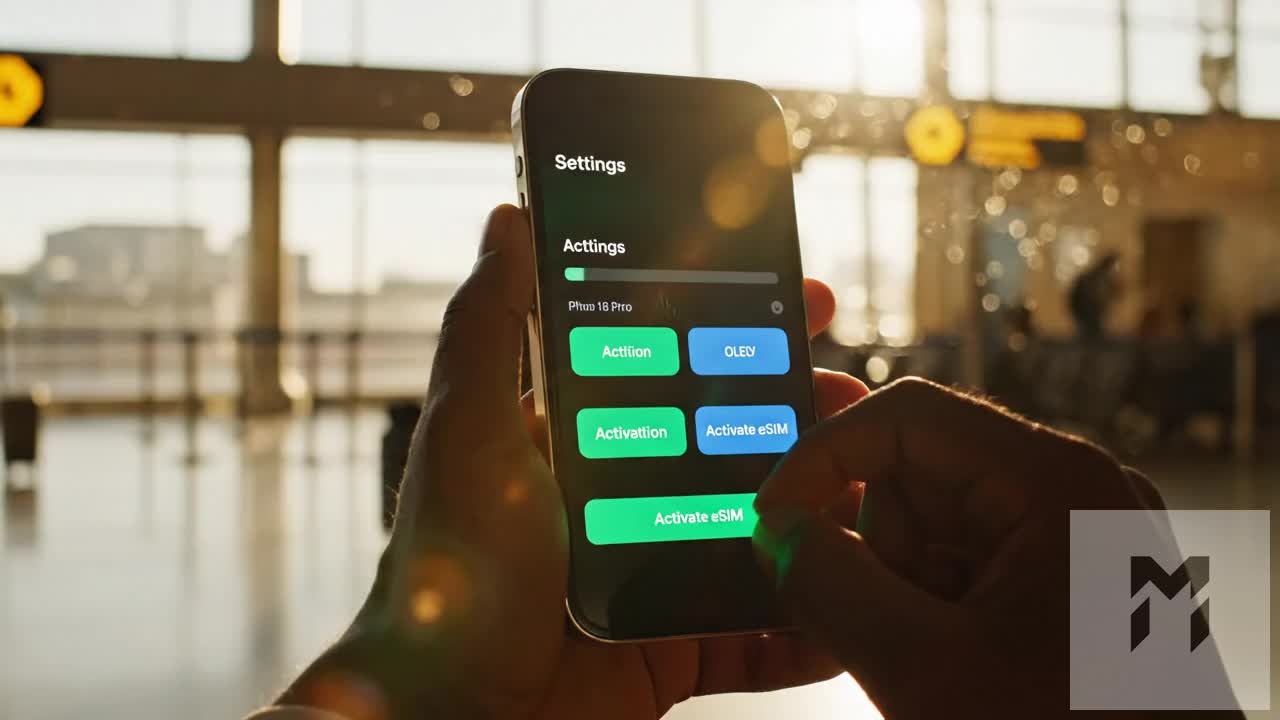
Navigating these connectivity hurdles with traditional physical SIM cards can be cumbersome, often involving purchasing multiple local SIMs from different providers in hopes of finding better coverage, or dealing with unreliable international roaming. This is precisely where the eSIM (embedded Subscriber Identity Module) emerges as a modern, efficient, and incredibly practical solution for the Sapa trekker. By offering instant activation, seamless switching between networks (where available), and eliminating the need for physical cards, eSIM technology directly addresses the unique connectivity challenges posed by Sapa's remote highlands, setting the stage for a truly connected and safer trekking adventure.
Vietnam's Mobile Network Landscape: Powering Your Sapa Journey
🌐 Global Travel High-Speed Travel eSIM & SIM Plans
Instant QR code activation, hotspot enabled, with guaranteed 384kbps fallback speed to keep Maps & Digital Wallets active.
To truly understand how an eSIM can transform your Sapa trekking experience, it's essential to first grasp the underlying telecommunications infrastructure that powers connectivity across Vietnam. The country's mobile network landscape is dominated by three major players: Viettel, MobiFone, and Vinaphone. Each boasts a significant presence, but their reach and performance, particularly in the challenging mountainous terrain of Sapa, vary considerably. Understanding these differences is key to ensuring you choose a connectivity solution that keeps you reliably connected when it matters most.
Viettel: The Unrivaled Leader in Remote Coverage
Viettel stands as Vietnam's largest and most dominant mobile network operator, a state-owned enterprise with a formidable market share. In urban centers, Viettel offers excellent 4G and increasingly 5G speeds, providing a seamless experience for daily users. However, its true strength, and what makes it particularly relevant for Sapa trekkers, lies in its unparalleled rural and mountainous coverage.
Thanks to substantial government backing and a strategic mandate to connect even the most remote corners of the country (including border regions and isolated villages), Viettel has invested heavily in extensive infrastructure. This means that while other networks might falter or disappear entirely as you venture deeper into Sapa's valleys and higher up its peaks, Viettel often remains the most reliable, and sometimes the only, option. For trekkers relying on their phones for navigation, emergency communication, or simply sharing their journey, Viettel's robust network is a critical lifeline. Its network density and reach in the challenging topography of Sapa are a testament to its commitment to nationwide coverage, making it the benchmark for connectivity in the highlands.
MobiFone: A Strong Contender with Good Urban and Accessible Rural Reach
MobiFone holds the position of Vietnam's second-largest mobile network operator. Like Viettel, it delivers very good performance in urban areas, with competitive 4G and growing 5G services that cater effectively to the majority of the population.
When it comes to rural coverage, MobiFone is generally strong in more accessible rural areas and provincial towns surrounding Sapa. You can expect decent coverage in Sapa town itself and along some of the more frequently trekked, less remote paths. However, as trekkers push into the truly remote, less populated, and more topographically challenging regions of the Sapa district – areas characterized by deep valleys, dense forests, and higher altitudes – MobiFone's coverage can become less consistent than Viettel's. While you might find reliable signal in Sapa town and along major trekking paths, venturing off the beaten track could lead to patchy service or dead zones, which is a significant consideration for safety and navigation.
Vinaphone: Reliable in Populated Areas, Variable in the Highlands
Vinaphone, the third major player, is also a state-owned enterprise and provides reliable mobile services across Vietnam. In cities and well-developed areas, Vinaphone offers good 4G and 5G speeds, ensuring a satisfactory user experience for everyday needs.
Similar to MobiFone, Vinaphone's rural coverage is generally good in more populated rural settings and along major transportation routes. However, its reach in the deep mountainous regions of Sapa tends to be more variable. Trekkers might encounter pockets of strong signal, particularly near larger villages or tourist hubs, but the overall consistency and breadth of coverage in the most challenging terrains are typically less extensive compared to Viettel. For critical connectivity during a demanding trek, relying solely on Vinaphone in the most isolated areas might prove risky, as signal drop-offs can be sudden and prolonged.
How MollySIM Leverages These Networks for Optimal Sapa Connectivity
This detailed breakdown of Vietnam's network landscape brings us to the crucial advantage of using an eSIM provider like MollySIM (https://mollysim.com) for your Sapa adventure. eSIM providers do not build their own cellular infrastructure; instead, they strategically partner with the existing local Mobile Network Operators (MNOs) to deliver service.
For a region as geographically diverse and challenging as Sapa, MollySIM's approach is to leverage the strongest and most reliable networks available. This often means prioritizing partnerships with operators like Viettel, renowned for its superior coverage in remote and mountainous areas. By doing so, MollySIM ensures that its users tap directly into the most robust infrastructure, providing optimal signal strength and data speeds even in locations where other networks struggle. In essence, your MollySIM eSIM connects you to the same powerful towers that local Vietnamese subscribers use, ensuring you benefit from the best possible local coverage.
The technical implication for you, the trekker, is significant: when you activate a MollySIM eSIM for Vietnam, you are essentially gaining access to the same high-quality, reliable networks that local Vietnamese subscribers use. This isn't a throttled international roaming experience; it's direct access to the local backbone, offering the best possible connectivity.
Furthermore, MollySIM differentiates itself with a superior Fair Use Policy speed limit of 384kbps. This is a critical advantage, as it's 3x faster than the 128kbps speed limit often imposed by many competitor eSIM providers. For a Sapa trekker, this enhanced speed isn't just a luxury; it's a necessity. A 384kbps connection allows for smooth navigation using Google Maps, reliable use of payment apps like Apple Pay in local markets, quick loading of weather updates, seamless messaging, and even light web browsing – all essential functions that become frustratingly slow or entirely unusable at 128kbps. By partnering with the best local networks and offering a significantly faster baseline speed, MollySIM ensures your digital tools remain fully functional, enhancing both your safety and enjoyment as you conquer the rice terraces of Sapa.
eSIM vs. Traditional SIM & Pocket Wi-Fi: The Sapa Trekkers' Connectivity Showdown
Navigating the majestic, yet often remote, landscapes of Sapa demands a connectivity solution that is not only reliable but also incredibly convenient. For trekkers, the choice between an eSIM, a traditional physical SIM card, and a portable Wi-Fi device isn't just about getting online; it's about optimizing safety, efficiency, and enjoyment without added hassle. Let's break down why an eSIM emerges as the clear victor for your Sapa adventure.
The Hurdles of Traditional Physical SIM Cards in Sapa
While a local physical SIM might seem like a straightforward option, the reality for a Sapa trekker often presents several significant pain points:
- The Hunt for a Vendor: Upon arrival in Vietnam, you'll need to locate a reputable mobile provider store or kiosk. This often means navigating busy airports or city streets, potentially dealing with language barriers, and dedicating precious travel time to a task that could be avoided. In Sapa itself, finding a reliable vendor outside of the main town can be even more challenging.
- Physical Swapping & Risk of Loss: The process involves physically removing your home country's SIM card and inserting the new Vietnamese one. This tiny, delicate piece of plastic is easily lost, especially in the rugged environment of a Sapa trek. Losing your home SIM means losing access to your primary number, contacts, and potentially two-factor authentication for critical apps.
- Activation Complexities: Even after purchasing, activating a physical SIM can sometimes involve registration processes, forms, or waiting periods, further eating into your exploration time.
- Single Device Limitation: A physical SIM is tied to one device. If you're traveling with multiple phones or companions who also need connectivity, you'd need to purchase and manage multiple physical SIMs.
The Inconvenience of Pocket Wi-Fi Devices for Sapa Trekkers
Portable Wi-Fi devices, or "pocket Wi-Fi," offer a shared internet connection, but they introduce a new set of challenges that are particularly ill-suited for trekking:
- An Extra Device to Carry and Charge: Every ounce and every charging requirement matters when you're trekking through Sapa's rice terraces. A pocket Wi-Fi device is another gadget to pack, another battery to monitor, and another cable to carry. Its bulk and weight are minor annoyances that accumulate over a multi-day trek.
- Battery Life Dependency: These devices have their own limited battery life, typically requiring daily recharging. If the pocket Wi-Fi dies, your internet connection for navigation, emergencies, or communication vanishes, leaving you stranded. Relying on a single point of failure for connectivity is risky in remote areas.
- Rental and Return Logistics: Most pocket Wi-Fi devices are rented, meaning you have to arrange pickup upon arrival and ensure timely return before departure. This adds another layer of logistical planning and potential fees for late returns or damage.
- Shared Connection Limitations: While sharing is caring, a shared Wi-Fi signal can sometimes be slower or less stable, especially if multiple users are streaming or downloading simultaneously.
Comparative Showdown: eSIM vs. Traditional SIM vs. Pocket Wi-Fi
To illustrate the stark differences, here's a detailed comparison tailored for the Sapa trekker:
| Feature | eSIM (e.g., MollySIM) Convenience (Setup, Activation) | Extremely High. Purchase and activate your data plan from anywhere, anytime, before you even land. No local SIM needed. | Low. Requires purchasing a local SIM, often with language barriers, and physical swapping. May need to visit a store. | Medium. Requires picking up and returning a device, adding logistical steps. | | Reliability in Remote Areas | High. Leverages the best local networks (e.g., MollySIM connects to the same powerful towers local Vietnamese subscribers use). MollySIM's 384kbps FUP speed (3x faster than 128kbps competitors) ensures smooth Google Maps, weather updates, and messaging even when full speed is throttled. | High. Connects to local networks. Performance depends on the specific provider chosen. | Medium. Relies on its own internal modem and antenna, which may not always match a smartphone's superior antenna design. | | Cost-Effectiveness | High. Transparent, upfront pricing for data packages. No hidden roaming fees. Often cheaper than daily roaming charges. | Medium. Can be cheap for local data, but initial purchase cost and hassle factor in. | Low to Medium. Rental fees can accumulate, especially for longer trips. Potential for extra charges (damage, late return). | | Battery Life Impact (on phone) | Minimal. eSIM uses your phone's existing cellular modem, similar to a physical SIM. | Minimal. Uses your phone's existing cellular modem. | High. Your phone's battery is drained faster as it constantly searches for and connects to the pocket Wi-Fi's signal. | | Device Compatibility | Excellent. Compatible with most modern smartphones (iPhone XS/XR and newer, most Android flagships since 2019). Check your device's eSIM compatibility. | Excellent. Compatible with virtually all smartphones. | Good. Any Wi-Fi enabled device can connect, but the pocket Wi-Fi itself must be compatible with local networks. | | Dual SIM Functionality | Excellent. Allows you to keep your home physical SIM active for calls/texts while using the eSIM for data. Seamless switching. | Poor. Requires physically swapping SIMs, meaning you lose access to your home number unless you have a dual-SIM phone and a second physical slot. | Excellent. Your phone can connect to the pocket Wi-Fi while your home SIM remains active. | | Physical Burden | None. Completely digital. No physical items to carry, lose, or manage. | Minimal. One tiny physical SIM card. | High. An additional device, charging cable, and potentially a power bank to carry. Adds weight and bulk to your trekking gear. | | Environmental Impact | Zero plastic waste. | Plastic Waste | None. An eSIM is a digital product. Sapa is a popular trekking destination in Vietnam known for its stunning rice terraces and diverse ethnic minority culture. The best time to visit Sapa for trekking is during the dry season, from March to May or September to November. During these months, the weather is generally pleasant, with clear skies and comfortable temperatures, making it ideal for exploring the terraced fields and surrounding villages.
Key Considerations for Sapa Trekkers:
- Weather: Sapa's weather can be unpredictable. Even during the dry season, rain showers can occur, so it's essential to pack waterproof gear.
- Terrain: The trekking trails in Sapa vary in difficulty, from easy walks through villages to challenging climbs up mountainsides. Be prepared for uneven terrain, slippery paths, and steep ascents and descents.
- Accommodation: Sapa offers a range of accommodation options, from homestays in local villages to hotels and resorts in Sapa town. Booking in advance, especially during peak season, is recommended.
- Guides: Hiring a local guide is highly recommended for trekking in Sapa. They can provide valuable insights into the local culture, navigate the trails, and ensure your safety.
- Connectivity: Reliable internet access is crucial for navigation, communication, and emergencies. An eSIM like MollySIM provides seamless connectivity throughout your trek.
Why eSIM is the Superior Choice for Sapa Trekkers
The advantages of an eSIM, particularly one from a provider like MollySIM (https://mollysim.com), are profoundly impactful for a Sapa trekker:
- Instant Activation, Zero Hassle: Imagine landing in Hanoi, activating your Vietnam eSIM plan with a few taps on your phone, and being connected before you even leave the airport. No searching for SIM card vendors in a foreign country, no language barriers, and no waiting in lines. This seamless, pre-trip setup saves valuable time and eliminates stress, letting you focus on the adventure ahead.
- No Physical Swapping, Retain Your Home SIM: This is a game-changer. With an eSIM, your physical home SIM card remains securely in your phone. This means you can continue to receive calls and texts on your primary number (if your phone supports dual SIM functionality, which most modern smartphones do) while using the eSIM for all your data needs. No more fumbling with tiny cards, no risk of losing your essential home SIM in the mud or mist of Sapa.
- Enhanced Security: A physical SIM card can be lost or stolen, potentially compromising your personal information. An eSIM, being digital, mitigates this risk. If your phone is lost, the eSIM profile can often be remotely deactivated, adding a layer of security.
- Environmental Responsibility: In an age where sustainable travel is paramount, eSIMs contribute to reducing plastic waste. By eliminating the need for physical plastic SIM cards and their packaging, you're making a small but meaningful choice for the environment.
- Uninterrupted Digital Tools with MollySIM's Speed: For a trekker, connectivity isn't just for social media; it's for critical functions. MollySIM's superior Fair Use Policy speed limit of 384kbps is a significant advantage. This speed is 3x faster than the 128kbps often imposed by competitors, making a tangible difference in Sapa. With 384kbps, you can reliably use Google Maps for navigation on challenging trails, quickly check weather updates that can change rapidly in the mountains, use Apple Pay or other payment apps in local markets, and communicate seamlessly via messaging apps. At 128kbps, these essential tools become frustratingly slow or entirely unusable, directly impacting your safety and the flow of your trek. MollySIM ensures your digital lifeline remains robust, allowing you to truly conquer the rice terraces with confidence.
Navigating the Terraces: Practical eSIM Usage & Data Management Strategies
Conquering Sapa's majestic rice terraces demands not just physical stamina but also smart digital preparation. Your eSIM isn't merely a convenience; it's a critical tool for safety, navigation, and staying connected. Mastering its practical usage and implementing effective data management strategies will ensure a seamless and secure trekking experience.
Real-time Navigation & Uncompromised Safety
In the labyrinthine trails of Sapa, an active data connection via your eSIM transforms your smartphone into an indispensable navigation and safety device. Apps like Google Maps, Maps.me, or Gaia GPS become powerful real-time guides, showing your exact position on the trail, helping you identify forks, and ensuring you stay on course. MollySIM's superior Fair Use Policy speed limit of 384kbps is a game-changer here. Unlike competitors' restrictive 128kbps, this 3x faster speed ensures that map tiles load quickly, GPS locks on reliably, and route recalculations are instantaneous – crucial when navigating challenging terrain or unexpected detours.
However, Sapa's remote valleys and dense mists can occasionally lead to intermittent signal. Therefore, a non-negotiable step before you even set foot on the trails is to download offline maps for your chosen navigation app. This ensures you always have access to detailed topographical information, even when cellular service is unavailable.
Beyond navigation, your eSIM facilitates vital safety measures:
- Live Location Sharing: Share your real-time location with trekking companions or family back home through messaging apps, providing peace of mind and a safety net.
- Emergency Communication: In the unlikely event of an emergency, an active data connection allows you to send messages, make VoIP calls (via WhatsApp or Messenger), or access emergency contact information. This digital lifeline is paramount when traditional cellular calls might be unreliable.
Smart Communication & Data-Conscious Sharing
While the urge to share the breathtaking vistas of Sapa's terraces is strong, balancing social media updates with data conservation is key. Your eSIM empowers you to communicate effectively without prematurely exhausting your data allowance.
- Prioritize Essential Communication: Use messaging apps for quick updates with family and friends. MollySIM's 384kbps speed ensures messages, even those with small photo attachments, send without frustrating delays.
- Batch Media Uploads: Instead of uploading every photo and video immediately, consider saving them and uploading in batches when you have access to Wi-Fi.
- Utilize Wi-Fi for Heavy Media: When you return to Sapa town or a homestay, take advantage of available Wi-Fi networks for uploading high-resolution photos, videos, or making video calls. This significantly reduces your cellular data consumption.
Strategic Data Saving Tips for Remote Treks
Effective data management is crucial for extending your eSIM's utility throughout your Sapa adventure. Implement these strategies to conserve data, especially in areas where connectivity might be limited:
- Disable Background App Refresh: Many apps consume data in the background even when not actively in use.
- iOS: Go to
Settings > General > Background App Refreshand turn it off completely or for specific data-hungry apps. - Android: Navigate to
Settings > Network & internet > Data Saverand enable it, or go toSettings > Apps & notifications > [App Name] > Mobile data & Wi-Fiand toggle offBackground data. - Limit Streaming & Downloads: Streaming music, videos, or downloading large files on cellular data will rapidly deplete your allowance. Download entertainment content (music, podcasts, e-books) before your trip over Wi-Fi.
- Turn Off Automatic Updates: Ensure your phone isn't automatically updating apps or its operating system over cellular data. Configure updates to occur only when connected to Wi-Fi.
- Utilize Wi-Fi Whenever Available: Actively seek out Wi-Fi in Sapa town, guesthouses, cafes, and homestays. Connect to these networks for all non-essential data usage.
- Monitor Data Consumption Regularly: Stay informed about your data usage to avoid unexpected depletion.
MollySIM Specifics: Activation & Control
MollySIM (https://mollysim.com) is designed for straightforward activation and transparent data management, giving trekkers full control over their connectivity.
Effortless Activation
Activating your MollySIM eSIM is a quick, digital process, eliminating the hassle of physical SIM cards:
- Purchase: Select your desired data plan on the MollySIM website.
- QR Code Scan: Upon purchase, you'll receive a unique QR code via email. Simply scan this QR code using your phone's camera (or through your phone's cellular settings) to install the eSIM profile.
- Manual Entry (Optional): If QR code scanning isn't feasible, MollySIM also provides manual activation details.
- Enable: Once installed, navigate to your phone's cellular settings and enable the MollySIM eSIM for cellular data. Ensure data roaming is turned on for the eSIM profile.
Real-time Data Monitoring
MollySIM empowers you to monitor your data usage and plan validity directly:
- MollySIM Platform: Log into your account on the MollySIM website or app. Here, you'll find a clear overview of your remaining data, the expiry date of your plan, and usage history. This transparency allows you to adjust your data habits as needed.
- Phone Settings: Your device's cellular settings (e.g.,
Settings > Cellularon iOS orSettings > Network & internet > Mobile networkon Android) will also display data usage for each SIM/eSIM profile, offering another layer of monitoring.
With MollySIM, you're not just getting a data connection; you're gaining a reliable, fast, and easily manageable digital companion for your Sapa trekking adventure, ensuring that essential tools like Google Maps and even payment apps like Apple Pay function smoothly thanks to the 384kbps speed, which is 3x faster than many competitors.
The MollySIM Advantage: Peace of Mind with Continuous 384kbps FUP Connectivity
Embarking on a Sapa trekking adventure means immersing yourself in breathtaking landscapes, but it also means navigating remote areas where reliable connectivity can be a lifeline. This is precisely where MollySIM (https://mollysim.com) distinguishes itself, offering not just a data plan, but a robust safety net designed for the intrepid traveler.
Effortless Setup and Unwavering Reliability
MollySIM prioritizes a seamless user experience from the moment you decide to connect. The activation process is remarkably straightforward, typically involving a quick QR code scan or simple manual entry, eliminating the need for physical SIM cards or hunting down local stores upon arrival. This digital convenience is particularly valuable when you're eager to hit the trails immediately after reaching Sapa.
Beyond ease of setup, MollySIM's inherent reliability stems from its strategic partnerships with top local network providers in Vietnam. This means your eSIM leverages the strongest available signals, ensuring robust coverage even as you venture deeper into the terraced valleys and mountainous trails of Sapa. For trekkers, this translates into consistent access to essential services, whether you're confirming directions on Google Maps or simply sending a quick update to loved ones.
Understanding the 384kbps Fair Usage Policy (FUP)
One of MollySIM's most significant advantages, especially for trekkers, lies in its Fair Usage Policy (FUP). Unlike many providers that completely cut off your data once your high-speed allowance is exhausted, MollySIM ensures you're never truly disconnected. After consuming your primary high-speed data, your connectivity seamlessly transitions to a reduced, yet highly functional, speed of 384kbps.
It's crucial to understand what 384kbps means in practical terms, particularly when compared to the often-standard 128kbps offered by competitors. MollySIM's 384kbps FUP speed is a remarkable 3x faster than these alternatives, making a tangible difference in usability.
Here’s a breakdown of what you can realistically achieve with 384kbps:
| Functionality | Performance at 384kbps MollySIM provides a crucial layer of security and convenience that is particularly valuable for trekkers in Sapa. The continuous connectivity, even at a reduced speed, means you are never truly alone or without access to vital information. This peace of mind allows you to fully immerse yourself in the stunning landscapes and rich culture of Sapa, knowing that essential communication and navigation tools remain accessible, making MollySIM an indispensable companion for your adventure.
Conquering Sapa Connected: Your Final Preparations
As you stand on the precipice of your Sapa adventure, ready to immerse yourself in the emerald embrace of its terraced landscapes and the rich tapestry of its ethnic cultures, remember that the success and safety of your trek hinge significantly on one often-overlooked element: proactive connectivity planning. This guide has meticulously laid out the compelling case for embracing eSIM technology, particularly for the unique demands of Sapa's rugged terrain. Now, let's consolidate those insights into a final, actionable preparation strategy, ensuring you embark on your journey with absolute peace of mind.
The Unseen Advantage of Proactive Connectivity
The allure of Sapa lies in its remote beauty, yet this remoteness also presents challenges. While the idea of disconnecting might seem appealing, reliable connectivity is not about constant scrolling; it's about safety, navigation, and seamless experience. An eSIM liberates you from the hassles of physical SIM cards, local vendor hunts, and language barriers, offering instant activation and flexible data plans tailored to your travel duration. This digital convenience is amplified in a destination like Sapa, where time is better spent trekking than troubleshooting mobile issues.
MollySIM: Your Sapa Safety Net
Among the myriad eSIM options, MollySIM (https://mollysim.com) emerges as a superior choice for Sapa trekkers, primarily due to its thoughtful design for real-world travel scenarios. Beyond the inherent ease of digital activation and broad network compatibility, MollySIM provides an unparalleled "safety net" through its Fair Use Policy (FUP) speed limit. While many competitors throttle speeds to a near-unusable 128kbps once your high-speed data allowance is consumed, MollySIM maintains a generous 384kbps FUP speed. This seemingly small difference is monumental for trekkers.
Consider the practical implications:
- Navigation: At 384kbps, Google Maps or other mapping applications can still download map tiles and provide real-time navigation, crucial for staying on track amidst Sapa's winding trails. At 128kbps, this functionality often grinds to a halt, leaving you potentially disoriented.
- Emergency Communication: Sending essential messages, checking weather updates, or even making a low-bandwidth voice call (via apps like WhatsApp) remains viable.
- Essential Services: Need to quickly check an email, confirm a booking, or even use digital payment systems like Apple Pay or Google Pay in a local shop? MollySIM's 384kbps ensures these critical functions remain accessible, whereas slower speeds would render them frustratingly impractical.
This continuous, functional connectivity, even at a reduced speed, means you are never truly isolated. It's the assurance that help, information, or a way back to your guesthouse is always within reach, allowing you to fully immerse yourself in Sapa's breathtaking vistas and vibrant culture without the underlying anxiety of being disconnected.
Your Pre-Trek Connectivity Checklist
To ensure a truly seamless and safe Sapa trekking experience, integrate these final, crucial steps into your preparations:
- Activate Your eSIM Before Arrival: The golden rule of international connectivity. Purchase your MollySIM eSIM plan from https://mollysim.com and activate it while you still have reliable Wi-Fi at home or in a major city like Hanoi. This ensures you land in Sapa with immediate, functional data, avoiding the stress of finding connectivity upon arrival, especially after a long journey.
- Download Offline Maps: While MollySIM's FUP provides excellent backup, cellular signal can be patchy in the deepest valleys or highest peaks. Before you set out, download offline maps of the Sapa region using Google Maps, Maps.me, or other preferred navigation apps. These are invaluable for navigating without a signal and conserving battery life.
- Understand Your Data Plan and Top-Up Options: Familiarize yourself with your chosen MollySIM data allowance and how to monitor your usage. Know the process for topping up your data should you need more during your trek. MollySIM makes this process straightforward, ensuring you can quickly add data if your adventure extends or requires more connectivity than anticipated.
- Charge All Devices and Pack a Power Bank: This might seem obvious, but it's paramount. Your smartphone is not just a communication device; it's your map, camera, and emergency tool. A fully charged power bank is an indispensable companion for multi-day treks, ensuring your devices remain powered throughout your journey.
Embrace Sapa, Connected
With your MollySIM eSIM activated and these final preparations complete, you are not just ready to trek; you are ready to truly experience Sapa. The majestic rice terraces, the intricate patterns of local life, the crisp mountain air – all await your exploration. By proactively securing reliable connectivity, you've removed a significant layer of potential stress, allowing you to fully engage with every moment, every vista, and every cultural encounter. Embrace the journey, knowing that you are reliably connected, safe, and free to lose yourself in the unparalleled beauty of Sapa, Vietnam.
🌐 Global Travel High-Speed Travel eSIM & SIM Plans
Instant QR code activation, hotspot enabled, with guaranteed 384kbps fallback speed to keep Maps & Digital Wallets active.