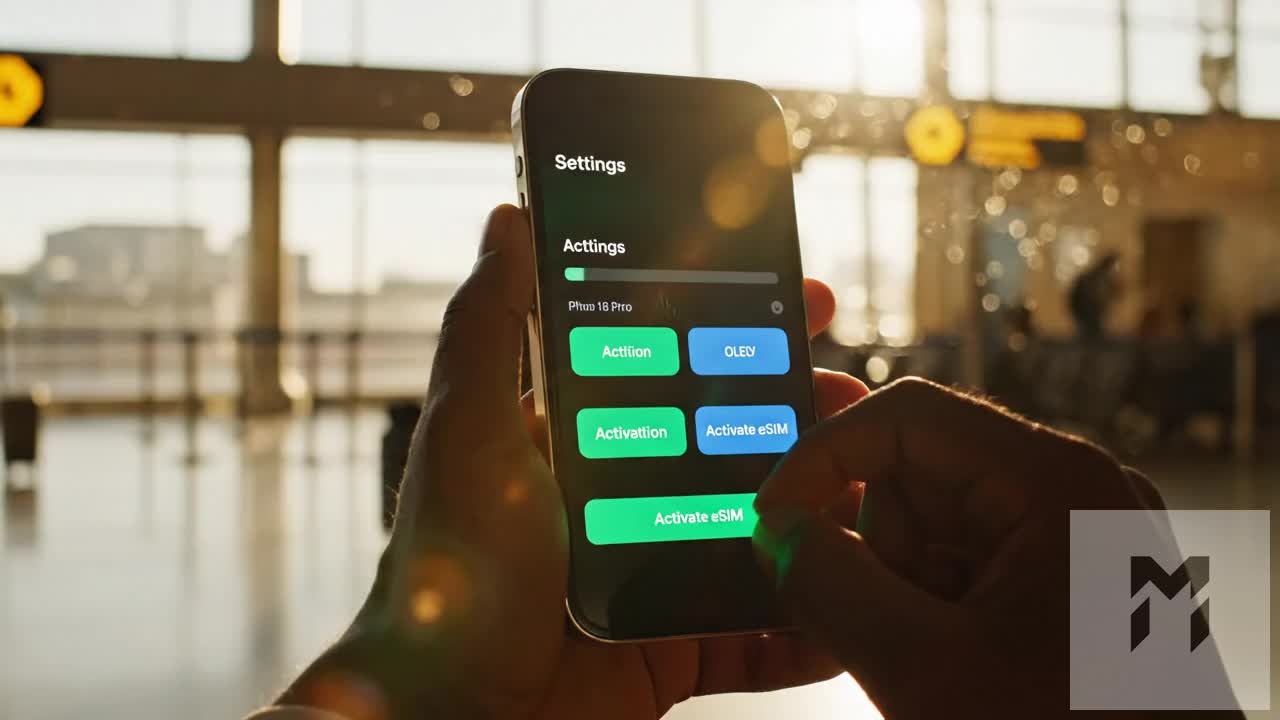
Cruise Through Connectivity: The Essential Ha Long Bay eSIM Guide for Seamless Exploration
The Connectivity Conundrum: Why Ha Long Bay Demands a Smart Solution
Ha Long Bay, a UNESCO World Heritage site, is a realm of unparalleled natural beauty, where thousands of towering limestone karsts erupt from emerald waters, creating a mystical labyrinth of islands and hidden coves. This breathtaking landscape draws millions of travelers seeking serene cruises, kayaking adventures, and exploration of its unique geological formations. However, beneath its tranquil surface lies a significant challenge for the modern traveler: maintaining reliable internet connectivity. The very features that make Ha Long Bay so spectacular – its vast expanse of open water, the sheer number of islands, and the towering karsts – conspire to create a formidable barrier to consistent digital access.
The Geographic Gauntlet: Where Signals Struggle
Imagine navigating a maze of over 1,600 islands, many uninhabited, spread across an area of approximately 1,553 square kilometers. This isn't just a picturesque backdrop; it's a geographic gauntlet for cellular signals.
- Limestone Karsts as Signal Blockers: The colossal limestone formations, while visually stunning, act as natural Faraday cages, obstructing and reflecting radio waves. As your cruise ship weaves through these towering monoliths, signal strength can fluctuate wildly, dropping from full bars to zero in a matter of minutes.
- Open Water and Distance: Unlike land-based travel, much of your time in Ha Long Bay will be spent on the open water, far from the nearest cellular towers located on the mainland or larger islands. The further you venture into the bay, the weaker and more intermittent the signal becomes.
- Constant Movement: Cruise ships are constantly on the move, meaning your device is perpetually searching for and switching between cell towers. This dynamic environment makes it incredibly difficult to maintain a stable connection, leading to frustrating dropouts and slow speeds.
Traditional Connectivity Solutions: Often Inadequate or Exorbitant
Given these unique challenges, travelers often find that conventional methods of staying connected fall short, proving either unreliable, inconvenient, or prohibitively expensive.
1. Local Wi-Fi Hotspots: A Land-Locked Luxury
While some port towns or larger islands might offer cafes or restaurants with Wi-Fi, these are land-locked luxuries. They are entirely useless once you embark on your cruise. Even if you manage to snag a signal at a brief stop, the security of public Wi-Fi networks is often questionable, making them unsuitable for sensitive transactions or personal data.
2. Cruise Ship Wi-Fi: Pricey and Prone to Disappointment
Many cruise operators offer onboard Wi-Fi packages, but these come with significant drawbacks:
- Exorbitant Costs: Often priced per day or even per megabyte, these services can quickly accumulate into a substantial expense, easily dwarfing the cost of your data plan back home.
- Satellite-Based Limitations: Cruise ship Wi-Fi typically relies on satellite connections, which are inherently slower, have higher latency, and are more susceptible to environmental factors. In the challenging terrain of Ha Long Bay, these connections are frequently unreliable, dropping out or slowing to a crawl, especially during peak usage times.
- Barely Functional Speeds: Expect speeds barely adequate for basic messaging or email. Forget about streaming, video calls, or even smoothly loading image-rich websites.
3. Standard Physical SIM Cards: Hassle and Hit-or-Miss Coverage
Purchasing a local physical SIM card upon arrival in Vietnam is a common strategy, but it presents its own set of hurdles for Ha Long Bay explorers:
- Acquisition and Installation Hassle: This involves finding a vendor, navigating potential language barriers, providing passport details for registration, and physically swapping out your home SIM card – with the inherent risk of misplacing your original.
- Variable Coverage: While local SIMs generally offer better coverage than ship Wi-Fi, even they are subject to the geographic limitations of Ha Long Bay. A single carrier's network might have blind spots, leaving you without service in critical areas.
- Data Roaming: Using your home country's SIM card for international roaming is almost always the most expensive option, leading to bill shock upon your return.
The Critical Need for Constant Connectivity
In an environment as unique and potentially remote as Ha Long Bay, reliable internet access isn't just a convenience; it's a critical tool for safety, navigation, and enhancing the overall travel experience.
- Navigation & Exploration: Whether you're using Google Maps to pinpoint your location during a kayaking excursion or researching the history of a specific cave, reliable data is essential.
- Emergency Communication: In an unfamiliar and sometimes remote setting, the ability to quickly contact your tour operator, family, or even emergency services is paramount for peace of mind and safety.
- Sharing Experiences: The stunning vistas of Ha Long Bay are meant to be shared. Instant uploads of photos and videos allow you to connect with loved ones and document your journey in real-time.
- Information Access: Checking weather updates, translating local signs, or accessing booking confirmations all rely on a stable internet connection.
- Modern Convenience: From digital payment solutions like Apple Pay to accessing cloud-based travel documents, our lives are increasingly intertwined with connectivity.
This confluence of geographical challenges and the inadequacies of traditional solutions clearly points to the need for a modern, efficient, and reliable connectivity solution. This is precisely where eSIM technology steps in, offering a seamless and superior alternative. Specifically, for Ha Long Bay, MollySIM (https://mollysim.com) emerges as the premier choice, engineered to overcome these very obstacles. Its robust network partnerships and thoughtful data policies, such as a 384kbps Fair Use Policy speed limit (which is 3x faster than competitors' typical 128kbps), ensure that essential services like Google Maps and Apple Pay continue to function smoothly even after high-speed data is consumed, providing an unparalleled level of uninterrupted exploration and peace of mind.
eSIM vs. The Elements: MollySIM's Advantage in Ha Long Bay
🇺🇸 United States High-Speed Travel eSIM & SIM Plans
Instant QR code activation, hotspot enabled, with guaranteed 384kbps fallback speed to keep Maps & Digital Wallets active.
Navigating the unique challenges of connectivity in a breathtaking yet geographically diverse region like Ha Long Bay demands a solution that transcends traditional limitations. This is precisely where eSIM technology shines, offering a modern, robust answer to the "elements" – from the vast expanse of the bay to the remote islands and the inherent unpredictability of travel.
Understanding eSIM Technology: A Paradigm Shift in Connectivity
At its core, an eSIM (embedded Subscriber Identity Module) is a digital SIM card that is built directly into your device, eliminating the need for a physical, removable chip. Unlike traditional plastic SIM cards that require physical insertion and swapping, an eSIM is provisioned remotely. This means you can purchase a data plan online, receive it digitally (often via a QR code), and activate it instantly on your compatible smartphone or tablet.
The fundamental difference lies in its digital nature. For international travelers, this translates into inherent advantages: no more fumbling with tiny SIM trays, no risk of losing your home SIM card, and no need to hunt for local SIM card vendors upon arrival, often battling language barriers or inconvenient store hours. An eSIM allows you to store multiple data profiles simultaneously, enabling seamless switching between plans for different countries or even different providers within the same country, all from your device's settings.
Beyond Traditional Options: Why eSIM Outperforms
When juxtaposed against other common connectivity solutions, eSIMs, particularly those offered by providers like MollySIM, demonstrate clear superiority for a destination like Ha Long Bay:
- Physical Local SIM Cards: While often cost-effective, acquiring a local SIM involves finding a vendor, potentially dealing with registration requirements, and physically swapping cards. This can be inconvenient, especially if you arrive late or are immediately boarding a cruise. You also temporarily lose access to your home number for calls/SMS.
- Pocket Wi-Fi Devices: These portable hotspots offer shared internet access but come with several drawbacks. They are an extra device to carry, require their own charging, incur rental costs (often daily), and have limited battery life – a significant concern during long excursions on the bay. Furthermore, they represent a single point of failure; if the device runs out of battery or malfunctions, your entire group loses connectivity.
- Reliance on Sporadic Local Wi-Fi: Depending on Wi-Fi at hotels, cafes, or cruise ships is inherently unreliable in Ha Long Bay. Signal strength can be weak, coverage is limited to specific areas, and public networks often pose security risks. On the open water or remote islands, public Wi-Fi is practically non-existent, leaving you disconnected precisely when you might need it most.
MollySIM's Strategic Edge in Ha Long Bay's Unique Environment
MollySIM (https://mollysim.com) leverages the power of eSIM technology and enhances it with specific features tailored to overcome the 'elements' of Ha Long Bay, ensuring unparalleled connectivity:
1. Flexibility & Convenience
MollySIM's digital delivery means you can purchase and activate your data plan before you even leave home or while en route. A simple QR code scan is all it takes to get connected. There's no physical swapping, allowing you to keep your primary SIM active for calls and SMS from home while using MollySIM for data. The ability to manage multiple profiles means you can easily switch between plans, offering ultimate control and adaptability for your travel needs.
2. Reliability & Coverage
Connectivity in a marine environment with scattered islands presents unique challenges. MollySIM addresses this head-on through strategic partnerships with multiple leading local network providers in Vietnam (e.g., Viettel, Mobifone, Vinaphone). This multi-network approach ensures superior signal strength and broader coverage across Ha Long Bay. If one network experiences a weaker signal in a particular area, MollySIM's technology can intelligently leverage another, providing a robust and more consistent connection, crucial for staying connected whether you're cruising through limestone karsts or exploring a secluded cave.
3. Cost-Effectiveness
MollySIM offers transparent, upfront pricing for its eSIM data plans, allowing you to budget effectively without fear of hidden fees or unexpected charges. By opting for an eSIM, you completely bypass the exorbitant international roaming charges that your home mobile provider might levy, ensuring that staying connected doesn't break the bank.
4. The Crucial 384kbps Fair Usage Policy (FUP) Advantage
This is arguably MollySIM's most significant differentiator and a game-changer for peace of mind in Ha Long Bay. Most data plans come with a Fair Usage Policy, meaning that after you've consumed your high-speed data allowance, your internet speed is reduced. However, MollySIM's FUP is exceptionally generous, guaranteeing continuous connectivity at a speed of 384kbps even after your high-speed data is exhausted. This is a critical distinction, as it's 3x faster than competitors' typical 128kbps FUP speed.
What does 384kbps enable in a practical sense?
- Essential Messaging: Send and receive WhatsApp, Messenger, or Telegram messages, including text, voice notes, and even small images, without significant delays.
- Email Communication: Check and send text-based emails for critical updates or communication.
- Basic Web Browsing: Access essential websites for weather updates, tour operator contact details, or emergency information.
- Navigation & Payments: Crucially, this speed allows Google Maps to function effectively for navigation (especially with pre-loaded maps, real-time location tracking remains viable) and ensures that digital payment solutions like Apple Pay continue to work smoothly, providing convenience and security.
- VoIP Calls: While not ideal for high-definition video calls, 384kbps is sufficient for making and receiving voice calls via apps like WhatsApp or Messenger, providing a vital communication channel for emergencies or staying in touch with your group.
This 'always-on' essential connectivity is invaluable in a remote travel destination like Ha Long Bay. It means you are never truly cut off, even if you've binged on photo uploads. The ability to always access essential information, communicate with loved ones, or call for assistance significantly enhances your safety and reduces travel anxiety, allowing you to fully immerse yourself in the beauty of the bay with complete peace of mind.
Navigating Vietnam's Networks: How MollySIM Optimizes Your Ha Long Bay Connection
Exploring the majestic limestone karsts and emerald waters of Ha Long Bay is an unforgettable experience, but maintaining reliable connectivity in such a dynamic, often remote environment requires a sophisticated approach. Vietnam's mobile network landscape is dominated by three major players: Viettel, Mobifone, and Vinaphone. Each boasts distinct strengths and coverage profiles, and understanding these nuances is key to appreciating how an intelligent eSIM solution like MollySIM ensures seamless communication throughout your journey.
Vietnam's Mobile Network Giants: A Closer Look
Viettel, the largest and state-owned operator, is renowned for its unparalleled reach. With extensive infrastructure development, particularly in rural, mountainous, and coastal regions, Viettel consistently offers the widest coverage across Vietnam. For travelers venturing into the more secluded corners of Ha Long Bay, including its numerous islands and open water stretches, Viettel often provides the most robust and consistent signal. Its sheer scale and investment in infrastructure make it the backbone of connectivity in many areas where other networks might falter.
Mobifone, the second-largest carrier, holds a strong position in urban centers and popular tourist destinations. Known for its competitive data plans and generally good speeds, Mobifone offers reliable service in the more developed and frequently visited tourist zones within Ha Long Bay, such as areas around Tuan Chau Island or the main cruising routes. While its rural coverage might not match Viettel's expansive footprint, Mobifone's performance in high-traffic tourist areas is typically excellent.
Vinaphone, the third major player, also provides comprehensive coverage, particularly strong in major cities and offering attractive value propositions for data services. Like Mobifone, Vinaphone delivers solid performance in the well-trafficked parts of Ha Long Bay, serving as a reliable option for connectivity. Its presence ensures a competitive market and often provides a strong alternative or backup in areas where other networks might experience temporary congestion.
Here’s a comparative overview of these carriers and their relevance to your Ha Long Bay adventure:
| Feature | Viettel | Mobifone | Vinaphone |
|---|---|---|---|
| Market Share | Largest | Second Largest | Third Largest |
| Primary Strengths | Widest coverage, strong rural/coastal, government-backed | Good urban coverage, competitive data plans | Strong in major cities, good value plans |
| Ha Long Bay Coverage | Generally Excellent (strongest in remote areas) | Good (reliable in most tourist zones) | Good (reliable in most tourist zones) |
| MollySIM Integration | Often primary partner for rural/coastal reliability | Utilized for strong urban/tourist zone coverage | Leveraged for competitive speeds and backup |
| Key Takeaway for Traveler | Best for remote bay exploration, consistent signal | Reliable for popular routes, good speeds | Solid performance, good backup option |
MollySIM's Intelligent Multi-Network Advantage
This diverse network landscape is precisely where MollySIM (https://mollysim.com) shines. Unlike traditional local SIM cards that lock you into a single carrier, MollySIM leverages a sophisticated multi-network approach. This means your MollySIM eSIM is not tied to just one of Vietnam's operators. Instead, it is designed to automatically detect and connect to the strongest available signal from its partner networks—which typically include Viettel, Mobifone, and Vinaphone—at any given moment.
Imagine cruising through the bay: as your boat moves from a bustling tourist hub near Cat Ba Island (where Mobifone or Vinaphone might offer optimal speeds) to a more secluded grotto or a remote fishing village (where Viettel's expansive coastal coverage becomes paramount), MollySIM intelligently switches your connection to the network providing the best performance. This seamless transition happens in the background, ensuring uninterrupted connectivity without any manual intervention from your side.
This multi-network resilience is a significant advantage in a dynamic environment like Ha Long Bay. It mitigates the risk of dead zones or patchy service that can occur when relying on a single network. If one network experiences temporary congestion or a localized outage, MollySIM can automatically reroute your connection through another available partner, providing superior reliability and continuous access to essential services. This ensures that features like Google Maps for navigation or Apple Pay for digital transactions continue to function smoothly, even with the generous 384kbps Fair Use Policy speed limit offered by MollySIM – a speed three times faster than many competitors' 128kbps FUP. This continuous, robust connectivity significantly enhances safety, reduces travel anxiety, and allows you to fully immerse yourself in the breathtaking beauty of Ha Long Bay with complete peace of mind.
Your Step-by-Step Guide to Seamless Ha Long Bay Connectivity with MollySIM
Navigating Ha Long Bay's stunning karst landscapes and emerald waters is an unforgettable experience, and staying connected ensures both safety and convenience. This comprehensive guide will walk you through every step of acquiring, activating, and optimizing your MollySIM eSIM for a truly seamless journey, leveraging its multi-network resilience and generous Fair Use Policy (FUP) speed.
### 1. Pre-Travel Preparation: Setting the Stage for Connectivity
Before you even pack your bags, a few crucial checks will ensure your MollySIM experience is smooth from the get-go.
#### Device Compatibility Check
An eSIM is a digital SIM card embedded directly into your phone, eliminating the need for a physical card. Not all devices support eSIM technology, so verifying compatibility is your first step.
- Common Compatible Devices:
- Apple: iPhone XS, XS Max, XR, and all newer models (iPhone 11, 12, 13, 14, 15 series). Also, certain iPad models (iPad Pro 11-inch, 12.9-inch 3rd gen and later, iPad Air 3rd gen and later, iPad mini 5th gen and later).
- Samsung: Galaxy S20, S20+, S20 Ultra, S21, S21+, S21 Ultra, S22, S22+, S22 Ultra, S23, S23+, S23 Ultra, S24, S24+, S24 Ultra. Also, Galaxy Note 20, Note 20 Ultra, and all Fold/Flip series.
- Google: Pixel 3a, 3a XL, 4, 4 XL, 4a, 5, 6, 7, 8 series.
- Huawei: P40, P40 Pro, Mate 40 Pro.
- Other Brands: Many newer models from Motorola, Oppo, Sony, and Xiaomi also support eSIM.
- How to Check: The simplest way is to consult your device manufacturer's website or check your phone's settings (e.g., on iPhone, go to Settings > Cellular/Mobile Data > Add eSIM).
#### Choosing the Right MollySIM Data Plan
MollySIM offers various data plans tailored to different travel needs and durations. Consider your typical data usage and the length of your Ha Long Bay adventure.
- Light User (Maps, Messaging, Email): A smaller data package might suffice. Even if you exceed your high-speed allowance, MollySIM's industry-leading 384kbps Fair Use Policy speed limit (three times faster than many competitors' 128kbps) ensures essential services like Google Maps for navigation and Apple Pay for transactions remain perfectly functional.
- Moderate User (Social Media, Occasional Streaming): Opt for a mid-range plan.
- Heavy User (Video Calls, Extensive Streaming, Work): A larger data plan will provide peace of mind.
- Trip Duration: Match your plan's validity period (e.g., 7 days, 15 days) to your stay in Vietnam.
#### Ensuring Your Phone is Unlocked
For any eSIM to work, your device must be unlocked from your home carrier. A locked phone will only accept SIM cards (physical or eSIM) from the carrier it's tied to.
- How to Check:
- Insert a SIM card from a different carrier. If it works, your phone is likely unlocked.
- Contact your current mobile carrier and inquire about your phone's unlock status. They can provide instructions or unlock it for you, especially if your contract is fulfilled.
### 2. Purchasing & Installation: Getting Your eSIM Ready
Once you've confirmed compatibility and chosen your plan, purchasing and installing your MollySIM eSIM is a straightforward process.
#### Purchasing Your MollySIM eSIM Online
- Visit MollySIM.com: Navigate to the official MollySIM website.
- Select Destination: Choose "Vietnam" as your travel destination.
- Browse Plans: Review the available data plans and select the one that best fits your needs.
- Complete Purchase: Follow the prompts to complete your purchase securely.
- Receive Confirmation: You will receive an email containing your eSIM QR code and manual installation details. Keep this email accessible, as you'll need it for installation.
#### Step-by-Step eSIM Installation
You have two primary methods for installing your MollySIM eSIM: QR code scan (recommended) or manual entry.
- Method 1: QR Code Scan (Easiest)
- Access Settings: Go to your phone's
Settingsapp. - Navigate to Cellular/Mobile Data: Tap on
CellularorMobile Data(on Android, it might beNetwork & internet>SIMs). - Add eSIM/Data Plan: Select
Add eSIMorAdd Data Plan. - Scan QR Code: When prompted, use your phone's camera to scan the QR code provided in your MollySIM confirmation email. (Ensure you're scanning from a different screen or printed copy, not the phone you're installing on).
- Follow Prompts: Your phone will guide you through the remaining steps, which typically include labeling your new eSIM (e.g., "MollySIM Ha Long Bay") and choosing whether to use it as your primary data line.
- Method 2: Manual Entry (If QR Scan is Not Possible)
- Follow Steps 1-3 above.
- Choose Manual Entry: Instead of scanning, select
Enter Details ManuallyorUse Activation Code. - Input Details: Carefully enter the
SM-DP+ AddressandActivation Codeprovided in your MollySIM email. - Complete Setup: Follow any further on-screen instructions to finalize the installation.
### 3. Activation & Setup: Bringing Your eSIM to Life
After installation, a few quick settings adjustments will activate your MollySIM and ensure it's ready for use.
#### Enabling the eSIM and Setting as Primary Data Line
- Turn On eSIM: In your
Cellular/Mobile Datasettings, locate your newly installed MollySIM profile and ensure it is toggledOn. - Set as Primary Data: Under
Cellular DataorMobile Data, select your MollySIM profile as the default for internet access. You can keep your physical SIM active for calls and SMS if desired.
#### Configuring Data Roaming Settings (Crucial for eSIMs)
This is a critical step for MollySIM and similar multi-network eSIMs.
- Enable Data Roaming: For your MollySIM profile, you MUST enable Data Roaming. Go to
Settings>Cellular/Mobile Data> Select yourMollySIM profile> ToggleData RoamingtoOn. - Why it's Crucial: MollySIM operates by partnering with local networks in Vietnam (like Viettel, Mobifone, and Vinaphone). Your device connects to these local networks as if it's "roaming" from the MollySIM network. Without data roaming enabled for the eSIM, your phone will not connect to these local partners, resulting in no internet access. Rest assured, with your pre-purchased MollySIM data plan, enabling data roaming will not incur additional charges.
#### Troubleshooting Common Initial Setup Issues
- No Signal After Activation:
- Check Data Roaming: Double-check that
Data Roamingis enabled for your MollySIM profile. - Restart Device: A simple restart can often resolve minor connectivity glitches.
- Manual Network Selection: If issues persist, try manually selecting a network. Go to
Settings>Cellular/Mobile Data>MollySIM profile>Network Selection> TurnAutomaticoff. Your phone will search for available networks (e.g., Viettel, Mobifone, Vinaphone). Select one. MollySIM's multi-network resilience is designed to switch automatically, but manual selection can sometimes kickstart the connection. - Incorrect APN Settings: While MollySIM usually configures APN settings automatically, if you face persistent issues, you might need to check.
- Go to
Settings>Cellular/Mobile Data>MollySIM profile>Cellular Data Network(orAccess Point Nameson Android). - The APN is typically
internet. If different, MollySIM will provide specific instructions.
### 4. Optimization Tips for Coastal/Island Travel: Maximizing Your Connectivity
Ha Long Bay's unique geography, with its numerous islands and limestone karsts, can present dynamic connectivity challenges. Optimizing your phone settings will ensure you get the most out of your MollySIM.
#### Specific Recommendations for Marine Environments
- Disable Wi-Fi Assist/Wi-Fi Calling (for data): Your phone might try to cling to weak or non-existent Wi-Fi signals from passing boats or distant shorelines, which can drain battery and hinder your MollySIM data connection. Turn off
Wi-Fi Assist(iPhone) orWi-Fi Calling(if it tries to use Wi-Fi for data). - Limit Background App Refresh: Apps running in the background can consume data unnecessarily, especially in areas with fluctuating signal. Go to
Settings>General>Background App Refresh(iPhone) orSettings>Apps> select app >Mobile data(Android) and disable it for data-hungry apps you don't need constantly updated. Prioritize essential apps like Google Maps which, thanks to MollySIM's 384kbps FUP, will continue to function smoothly even after high-speed data is used. - Monitor Data Usage: Regularly check your data consumption in your phone's
Cellular/Mobile Datasettings. This helps you stay within your high-speed data allowance and understand when you might be relying on the 384kbps FUP, which is still perfectly adequate for essential navigation and digital payments like Apple Pay. - Enable Low Data Mode: This setting reduces data usage across various apps and system services, helping to conserve your plan.
#### Seamless Switching Between Physical SIM and MollySIM eSIM
Most modern dual-SIM phones allow you to manage multiple lines effortlessly.
- For Calls and SMS (Physical SIM): If you wish to receive calls or SMS on your home number, keep your physical SIM active. Be mindful of your home carrier's international roaming rates for calls and texts.
- For Data (MollySIM eSIM): Always set your MollySIM profile as the designated line for
Cellular DataorMobile Data. This ensures you're using your pre-paid MollySIM plan for internet access, avoiding unexpected roaming charges from your home carrier. - How to Switch: Go to
Settings>Cellular/Mobile Data>Cellular Data(orMobile Data) and simply tap to selectMollySIMas your active data line. Your phone will seamlessly switch data connectivity to the MollySIM network, providing robust and reliable internet across Ha Long Bay.
Maximizing Your MollySIM Data: Tips for Uninterrupted Exploration
Ensuring continuous connectivity throughout your Ha Long Bay adventure is paramount for both convenience and safety. While your MollySIM plan provides generous data, strategic management can extend its utility, especially when navigating remote areas or relying on the Fair Use Policy (FUP) speed. Here's how to make the absolute most of your MollySIM data for seamless exploration.
Data Conservation Strategies for Ha Long Bay
Before you even set foot on your cruise or boat, proactive data conservation can significantly enhance your experience.
- Download Essential Content Offline: This is your first and most effective line of defense against unexpected data depletion.
- Offline Maps: Download the entire Ha Long Bay region, including Cat Ba Island and surrounding areas, on Google Maps or Apple Maps. This allows for turn-by-turn navigation and point-of-interest searches without consuming any data.
- Travel Guides & Itineraries: Save digital copies of your cruise itinerary, hotel confirmations, local attraction information, and any travel guides as PDFs or screenshots.
- Entertainment: Download movies, TV shows, podcasts, music playlists, and e-books to your device. This ensures you have entertainment during downtime without streaming, which is a significant data consumer.
- Limit Data-Intensive Activities: While on high-speed data, be mindful of activities that quickly consume your allowance.
- Streaming: Avoid streaming high-definition video or music when relying solely on cellular data. Save these for when you have access to Wi-Fi.
- Large File Transfers: Refrain from uploading or downloading large photos, videos, or documents until you can connect to a stable Wi-Fi network.
- Social Media Auto-Play: Disable auto-play video features on social media apps like Facebook, Instagram, and TikTok, as these can silently consume vast amounts of data.
- Utilize Data-Saver Modes: Most modern smartphones and apps offer built-in data-saving features.
- Browser Data Saver: Enable data saver modes in your web browser (e.g., Chrome's Lite mode, Safari's Low Data Mode) to compress web pages and images.
- App-Specific Settings: Check individual app settings for options to reduce data usage, such as lowering image quality for uploads or disabling background app refresh.
- Low Data Mode: As mentioned previously, enabling your phone's system-wide
Low Data Mode(found inCellular/Mobile Datasettings) can significantly reduce data consumption across all apps and services.
Leveraging the 384kbps FUP Effectively
One of MollySIM's standout advantages is its generous 384kbps Fair Use Policy (FUP) speed limit, which activates after your high-speed data is exhausted. This speed is a game-changer compared to the industry standard of 128kbps offered by many competitors, making it genuinely useful for essential tasks.
- Real-World Scenarios for 384kbps:
- Essential Navigation: Crucially, the 384kbps speed is robust enough for Google Maps (with pre-downloaded maps) to function smoothly, providing real-time location tracking and route guidance. You won't be left guessing your location.
- Digital Payments: Services like Apple Pay and other mobile payment systems will work without issue, allowing for seamless transactions at local vendors.
- Critical Communication: Send and receive WhatsApp messages, iMessages, and other text-based communications. Light email correspondence (checking, not downloading large attachments) remains perfectly viable.
- Travel Updates: Check flight statuses, cruise schedules, and hotel booking confirmations.
- Basic Web Searches: Look up local information, restaurant hours, or quick facts without significant delays.
- Emergency Contact: Maintain the ability to reach emergency services or family members in critical situations.
- Managing Expectations: While 384kbps is excellent for these vital functions, it's not designed for streaming HD video, large file downloads, or extensive social media browsing with heavy media loading. Understand its capabilities and prioritize critical tasks to ensure you're never truly disconnected from essential services.
Onboard Connectivity Best Practices
Connectivity on a boat in Ha Long Bay can vary due to the unique topography of limestone karsts and the vessel's structure.
- Seek Open-Air Areas: For the strongest signal, position yourself on the upper decks or open-air sections of your cruise ship or boat. These areas have fewer obstructions (like metal bulkheads) that can interfere with cellular signals.
- Manage Expectations in Remote Pockets: While MollySIM leverages robust local networks, there might be very isolated pockets within the vast bay where signal strength could temporarily fluctuate or be weaker. This is a natural occurrence in such a unique geological environment. Be prepared for occasional, brief drops in connectivity, but rest assured that the network aims for maximum coverage.
Emergency Preparedness & Peace of Mind
Continuous connectivity, even at FUP speeds, is more than just a convenience; it's a vital safety net for any traveler.
- Enhanced Traveler Safety: Knowing you can always access basic communication and information significantly contributes to your peace of mind. In an unfamiliar environment, the ability to contact emergency services, reach family, or quickly look up vital information (e.g., local embassy contact, nearest medical facility) is invaluable. MollySIM's reliable FUP speed ensures this critical lifeline remains active.
- Recognizing When to Purchase Additional High-Speed Data: If your travel plans change or you find yourself needing more high-speed data for data-intensive tasks (e.g., video calls with family, uploading a large batch of photos), MollySIM makes it straightforward to top up your plan. You can easily purchase additional high-speed data directly through the MollySIM website (https://mollysim.com) or their app, ensuring you can quickly regain full speed whenever necessary, without ever losing basic connectivity thanks to the FUP.
🇺🇸 United States High-Speed Travel eSIM & SIM Plans
Instant QR code activation, hotspot enabled, with guaranteed 384kbps fallback speed to keep Maps & Digital Wallets active.