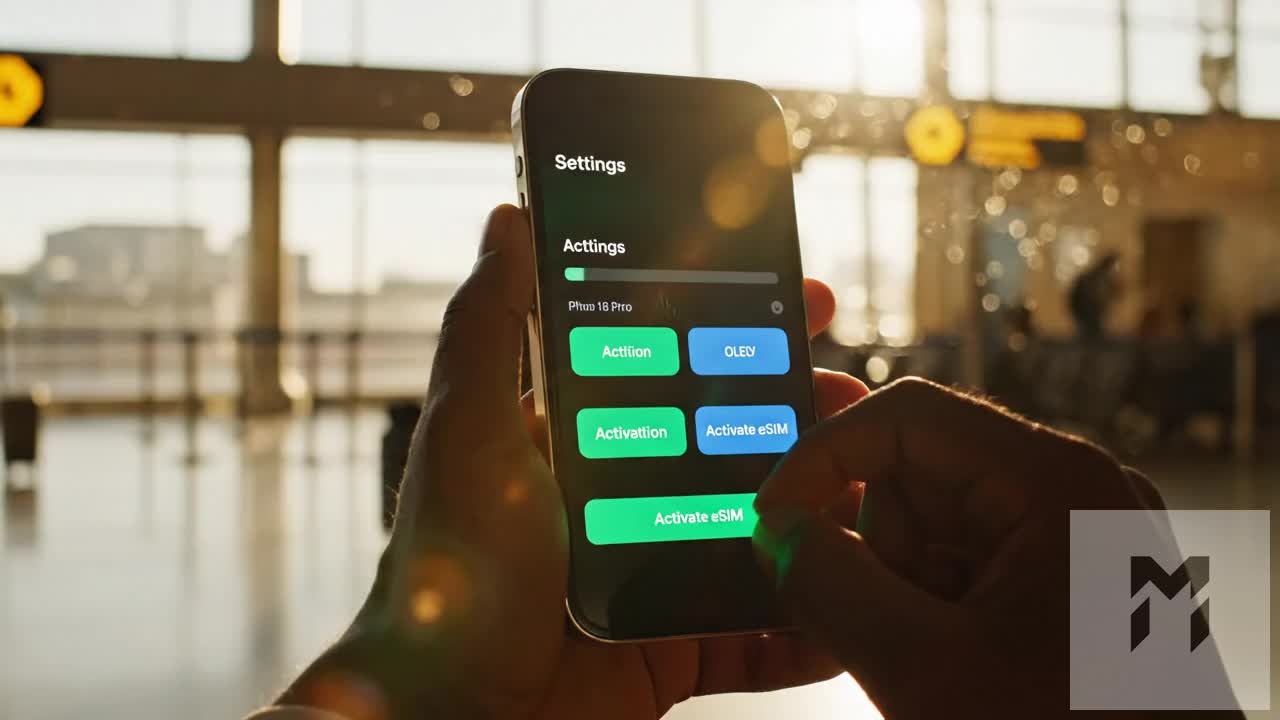
Wilderness & Wonders: Your Ultimate 2026 Tasmania Travel eSIM Guide
The Call of the Wild: Why 2026 Tasmania Demands Smart Connectivity
Tasmania, the emerald jewel at Australia's southern edge, beckons with an irresistible allure for 2026 travelers. It's a land where the untamed heart of nature beats strong, offering a tapestry of experiences from primeval rainforests to azure coastlines. Imagine trekking through the ancient fagus forests and alpine tarns of Cradle Mountain-Lake St Clair National Park, where glacial valleys whisper tales of millennia past. Picture yourself gazing upon the iconic crescent of Wineglass Bay from the pink granite peaks of the Freycinet Peninsula, or exploring the vast, untouched expanse of the Tarkine wilderness, Australia's largest temperate rainforest. These are places of profound beauty, where the air is crisp, the silence is deep, and the connection to nature is absolute.
Yet, Tasmania is not solely defined by its wilderness. Its vibrant urban hubs offer a sophisticated counterpoint. Hobart, the charming capital, boasts a historic waterfront, the bustling Salamanca Market, and the world-renowned Museum of Old and New Art (MONA). Further north, Launceston captivates with its Victorian architecture, the dramatic Cataract Gorge, and proximity to the acclaimed Tamar Valley wine region. This duality – raw wilderness juxtaposed with cultural sophistication – creates a uniquely rich travel experience.
The Connectivity Conundrum in an Untamed Landscape
While Tasmania's vast, often remote wilderness is undeniably part of its charm, it presents a significant hurdle for modern connectivity. The very isolation that makes these regions so pristine also means that traditional mobile phone coverage can be patchy, unreliable, or entirely non-existent. Rugged mountain ranges, deep valleys, and sparsely populated national parks are simply not conducive to extensive cellular infrastructure. For adventurers venturing off the main highways, whether hiking the Overland Track, exploring remote beaches, or simply driving through scenic backroads, the expectation of a reliable signal quickly evaporates.
This reality stands in stark contrast to the connectivity expectations of modern travel. By 2026, digital reliance will be more ingrained than ever. Travelers depend on their smartphones and devices for virtually every aspect of their journey:
- GPS navigation (Google Maps, Apple Maps) for both urban exploration and remote trailheads.
- Real-time weather updates, crucial for planning outdoor activities in Tasmania's famously changeable climate.
- Emergency services access, a non-negotiable safety net when exploring untamed environments.
- Online booking management for accommodation, tours, and ferry services.
- Digital payment systems like Apple Pay and Google Pay, increasingly replacing physical wallets.
- Instant information retrieval for local attractions, restaurant reviews, and opening hours.
- Seamless sharing of breathtaking photos and videos with friends and family.
In such an environment, a reliable connection isn't just a convenience; it's a critical tool for safety, efficiency, and maximizing the travel experience.
MollySIM: Your Essential Link to the World in 2026 Tasmania
This is precisely where an advanced solution like the MollySIM eSIM becomes not just a convenience, but an indispensable travel companion for your 2026 Tasmanian adventure. MollySIM (https://mollysim.com) is specifically designed to conquer the unique connectivity challenges of places like Tasmania, ensuring that you remain connected even when venturing deep into its wild heart.
The invaluable peace of mind that reliable data brings when exploring such an untamed environment cannot be overstated. With MollySIM, you can:
- Navigate with confidence: Seamlessly use Google Maps or other navigation apps to find your way through winding roads or remote hiking trails, preventing wrong turns and ensuring you stay on track.
- Stay safe: Have the ability to contact emergency services, share your real-time location with loved ones, or access vital information in unexpected situations.
- Capture and share instantly: Upload stunning photos and videos of Wineglass Bay, Cradle Mountain, or a Tasmanian devil sighting without delay, sharing your incredible moments as they happen.
- Manage your trip effortlessly: Confirm bookings, check ferry schedules, or find the best local eatery on the fly, all powered by a consistent data connection.
A critical advantage of MollySIM over competitors lies in its superior speed. Unlike many providers that throttle speeds to a frustrating 128kbps, MollySIM offers a 384kbps Fair Use Policy speed limit. This is three times faster, making a tangible difference in real-world usage. Imagine trying to load a detailed map, stream a short video, or process a payment with a sluggish connection – MollySIM ensures that essential functions like Google Maps and Apple Pay work smoothly and responsively, even when you're deep in the wilderness. This enhanced speed means less waiting, less frustration, and more time enjoying the wonders around you.
MollySIM transforms potential anxieties about getting lost, being out of touch, or struggling with digital transactions into an assurance of constant, reliable support. It empowers you to embrace the call of the wild in Tasmania without sacrificing the essential digital tools that define modern travel, making your 2026 journey truly seamless and unforgettable.
Navigating Tasmania's Network Labyrinth with MollySIM's Multi-Carrier Power
🌐 Global Travel High-Speed Travel eSIM & SIM Plans
Instant QR code activation, hotspot enabled, with guaranteed 384kbps fallback speed to keep Maps & Digital Wallets active.
Tasmania, with its rugged coastlines, ancient rainforests, soaring mountains, and vast wilderness areas, presents a unique challenge for mobile connectivity. While its major cities and towns generally enjoy robust network coverage, venturing into the island's iconic national parks, remote trails, or even some popular coastal drives can quickly expose the limitations of a single-carrier approach. This is where understanding Australia's complex mobile network landscape and MollySIM's innovative multi-carrier strategy becomes paramount for any 2026 traveler.
Australia's mobile network infrastructure is dominated by three primary carriers: Telstra, Optus, and Vodafone. Each has its own strengths and coverage footprint, shaped by historical investment, geographical priorities, and technological advancements. For a traveler exploring Tasmania's diverse terrain, relying on just one of these networks can be a gamble, potentially leaving you without vital connectivity precisely when you need it most.
The Big Three: Understanding Tasmania's Network Backbone
To appreciate MollySIM's advantage, it's crucial to understand the individual strengths and weaknesses of Australia's major mobile networks as they pertain to Tasmania's unique geography:
- Telstra: The Wilderness Champion
Telstra boasts the most extensive network coverage across Australia, a critical advantage for anyone planning to explore Tasmania's regional and remote areas. Their infrastructure reaches deep into the wilderness, covering many national parks, remote communities, and stretches of highway where other networks falter. For adventurers heading to places like the Overland Track, the remote reaches of the Tarkine rainforest, or isolated coastal tracks, Telstra's reach is often the only lifeline. However, even Telstra has its gaps, particularly in deep valleys, dense forests, or specific remote pockets where signal penetration is challenging.
- Optus: Urban Strength and Growing Regional Presence
Optus provides strong coverage in Tasmania's urban centers, including Hobart, Launceston, and Devonport, as well as along major tourist routes and popular coastal towns. While historically less extensive than Telstra in deep regional areas, Optus has significantly expanded its regional footprint, offering reliable service in many popular tourist destinations like Freycinet National Park and parts of the East Coast. For travelers sticking to well-trodden paths and larger towns, Optus often delivers excellent performance and competitive speeds.
- Vodafone: Competitive in Cities, Expanding Reach
Vodafone offers competitive services primarily within Tasmania's cities and larger towns. While its regional coverage has traditionally been the most limited of the three, Vodafone is continually investing in network expansion, improving its footprint in key areas. For visitors focusing on urban exploration or destinations well-served by major infrastructure, Vodafone can provide a solid connection. However, its coverage quickly diminishes when venturing into more remote or less populated regions of the island, making it less ideal for extensive wilderness exploration on its own.
MollySIM's Multi-Carrier Advantage: Intelligent Aggregation for Uninterrupted Connectivity
The true genius of MollySIM lies in its ability to transcend the limitations of any single network. Unlike traditional SIM cards or many competitor eSIMs that lock you into one carrier, MollySIM intelligently aggregates access to these major Australian networks. This means that instead of being tied to, for example, only Telstra or only Optus, your MollySIM-enabled device will automatically connect to the strongest available signal from any of the partnered networks wherever you are in Tasmania.
Imagine driving through a national park: you might start with excellent Telstra coverage, then transition to an area where Optus has a stronger signal, and later, perhaps in a town, Vodafone might offer the best performance. MollySIM seamlessly manages these transitions in the background, ensuring you maintain the most robust connection possible without any manual intervention. This significant technical advantage is paramount when venturing into areas known for notoriously patchy coverage, such as:
- Cradle Mountain-Lake St Clair National Park: While popular, coverage can be intermittent, especially on hiking trails or in deep valleys.
- The Tarkine (takayna): One of the world's last great wilderness areas, connectivity here is extremely challenging for single carriers.
- Remote Coastal Tracks: Many stunning coastal drives and walks offer breathtaking views but often lack consistent mobile service.
This multi-network approach dramatically enhances reliability for critical applications. For instance, Google Maps becomes an indispensable tool for navigation, guiding you through winding roads or remote tracks, and with MollySIM, you can trust it will load and update even in challenging environments. Similarly, the ability to use Apple Pay or other digital payment methods smoothly, even in small, remote shops, is a significant convenience. More importantly, this enhanced reliability extends to emergency communication. Knowing you have the best possible chance of connecting to emergency services, sharing your real-time location, or simply contacting loved ones for peace of mind is invaluable in Tasmania's diverse and often isolated terrain.
Furthermore, MollySIM's commitment to a 384kbps Fair Use Policy speed limit – three times faster than many competitors' 128kbps – ensures that even when you're connected to a regional tower, essential functions remain responsive. This isn't just about faster browsing; it's about ensuring critical applications like navigation load promptly, communication apps send messages without frustrating delays, and payment systems process quickly. MollySIM (https://mollysim.com) transforms potential anxieties about getting lost or being out of touch into an assurance of constant, reliable support, empowering you to embrace the call of the wild in Tasmania without sacrificing essential digital tools.
The 384kbps Lifeline: MollySIM's FUP for Uninterrupted Safety and Basic Connectivity
While the allure of Tasmania lies in its untamed beauty, the reality of exploring remote wilderness demands a robust safety net. This is precisely where MollySIM's (https://mollysim.com) 384kbps Fair Use Policy (FUP) speed limit becomes a critical differentiator, acting as a reliable lifeline when your high-speed data is exhausted or when you find yourself in areas where only basic connectivity is available. To put 384kbps into perspective, it's not designed for streaming HD videos or downloading large files. Instead, it's meticulously engineered to ensure that essential digital functions remain responsive and reliable, providing peace of mind in often isolated environments. Crucially, this 384kbps fallback speed is three times faster than many competitors' 128kbps, a significant advantage that directly impacts your safety and convenience.
Practical Functionality at 384kbps
The difference that 384kbps makes for critical applications is substantial:
- Emergency Communications: In a crisis, every second counts. At 384kbps, you can reliably make and receive voice calls (if your eSIM plan supports it, or via VoIP apps like WhatsApp/Signal), send and receive text-based messages (SMS, WhatsApp, iMessage), and share your real-time location with emergency services or loved ones. This speed ensures messages transmit without frustrating delays, and location data updates promptly, providing crucial information when you need it most.
- Navigation & Mapping: Getting lost in Tasmania's sprawling national parks or winding rural roads can quickly turn a scenic drive into a stressful ordeal. MollySIM's 384kbps FUP speed ensures that Google Maps, Apple Maps, or dedicated hiking apps can still load basic map data, refresh your location, and provide turn-by-turn directions. While initial map tile loading might be slightly slower than at full speed, the core functionality for reorienting yourself and finding your way remains perfectly viable. This is a stark contrast to being completely offline, where navigation becomes a guessing game.
- Critical Weather Updates: Before embarking on a hike, kayaking trip, or any outdoor adventure, checking the latest weather forecast is non-negotiable. At 384kbps, you can easily access text-based weather apps or websites, ensuring you have up-to-the-minute information on potential storms, temperature drops, or high winds, allowing you to make informed decisions for your safety.
- Basic Web Browsing & Information Retrieval: Need to confirm park opening hours, check a ferry schedule, or verify a last-minute accommodation booking? 384kbps is perfectly adequate for basic web browsing, allowing you to access essential text-based information quickly. This functionality prevents unnecessary detours or missed connections, which can be particularly frustrating in remote areas with limited services.
- Text-Based Emails: For urgent communications that don't require large attachments, sending and receiving text-based emails remains functional, allowing you to stay connected for essential updates or administrative tasks while on the go.
Real-World Scenarios: Where 384kbps Becomes a Lifesaver
Imagine these vivid, real-world scenarios where MollySIM's 384kbps FUP speed proves invaluable:
- Lost on a Remote Trail: You've veered off the marked path in Cradle Mountain-Lake St. Clair National Park. Your high-speed data is exhausted, but MollySIM's FUP kicks in. You can still open Google Maps, pinpoint your location, and slowly but surely load enough map data to reorient yourself and find the nearest trail marker. More importantly, you can send a WhatsApp message with your coordinates to a friend or park ranger, providing a critical safety net.
- Car Breakdown in a National Park: Your vehicle sputters to a halt on a deserted road in Freycinet National Park. With 384kbps, you can use a VoIP app to call for roadside assistance (if supported by your plan), or at the very least, send detailed messages describing your location and situation. You can also quickly search for the nearest mechanic or tow service, even if it takes a moment for the page to load.
- Last-Minute Accommodation Scramble: After a long day of exploring, you arrive in a small town only to find your pre-booked accommodation is unexpectedly closed. With 384kbps, you can still access booking websites (prioritizing text-only views) to find an alternative, preventing a night spent in your car.
- Staying in Touch When Off-Grid: Even when you're deep in the wilderness, having the ability to send a quick "I'm okay" message to loved ones provides immense peace of mind, both for you and for them. MollySIM (https://mollysim.com) ensures this basic, yet critical, level of connectivity persists.
The alternative of being completely offline in these situations is not just inconvenient; it can be genuinely dangerous, leaving you vulnerable and isolated. MollySIM's commitment to a robust 384kbps FUP ensures that even when the network is congested or your high-speed allowance is depleted, you retain a functional connection for your most critical needs.
Optimizing Usage at 384kbps
To maximize the efficiency of your 384kbps connection:
- Close Background Apps: Many applications consume data in the background. Close any non-essential apps to free up bandwidth.
- Disable Auto-Updates: Turn off automatic app updates and cloud syncing, which can quickly consume your limited speed.
- Prioritize Text-Only Modes: Where available, enable "data saver" or "text-only" modes in browsers and apps to reduce image and video loading.
- Download Offline Maps: Whenever you have high-speed data, download offline maps for your planned routes. This reduces reliance on live data when connectivity is limited.
- Focus on Essential Tasks: Use the 384kbps connection strictly for critical communications, navigation, and information retrieval, deferring non-urgent browsing or social media until you have faster speeds.
By understanding and optimizing your usage, MollySIM's 384kbps FUP transforms from a mere technical specification into a powerful tool for safety and convenience, empowering you to explore Tasmania's wild wonders with confidence.
Your MollySIM Setup & Optimization Playbook for Tasmania 2026
Embarking on a Tasmanian adventure requires meticulous planning, and your digital connectivity is no exception. This comprehensive playbook guides you through the entire process of acquiring, activating, and optimizing your MollySIM eSIM, ensuring seamless communication and navigation across the island's diverse landscapes.
Purchasing Your MollySIM eSIM for Tasmania
The journey begins online at mollysim.com. Navigate to their dedicated eSIM plans for Australia, specifically looking for options tailored to Tasmania.
- Select Your Plan: Consider your trip duration and anticipated data usage. Are you a light user who primarily needs navigation and messaging, or will you be sharing photos, streaming music, and occasionally working remotely? MollySIM offers various data allowances and validity periods (e.g., 7, 15, 30 days). Remember, even if you deplete your high-speed data, MollySIM's industry-leading 384kbps Fair Use Policy (FUP) speed limit ensures critical apps like Google Maps, Apple Pay, and messaging remain functional, a significant advantage over competitors' slower 128kbps limits.
- Complete Purchase: Follow the secure checkout process. You'll typically pay using major credit cards or other online payment methods.
- Receive eSIM Details: Immediately after purchase, you will receive an email containing your eSIM QR code and manual activation details (SM-DP+ Address and Activation Code). Crucially, save this email in a secure, easily accessible location, or print the QR code. You'll need it for activation.
Activating Your MollySIM eSIM: Step-by-Step Device Setup
Before you begin, ensure you have a stable Wi-Fi connection. It's recommended to activate your eSIM before you depart for Tasmania, or at least while you have reliable Wi-Fi.
For iOS (iPhone) Devices:
- Go to Settings.
- Tap Mobile Data (or Cellular Data).
- Tap Add Data Plan.
- Your iPhone camera will open. Scan the QR code from the MollySIM email you received. If scanning isn't possible (e.g., if you're setting up from the same device displaying the QR code), tap Enter Details Manually at the bottom and input the SM-DP+ Address and Activation Code provided in your email.
- Follow the on-screen prompts to confirm and activate the eSIM.
- Once activated, you'll be prompted to Label your eSIM. Choose a clear identifier like "MollySIM Tasmania" to easily distinguish it from your primary SIM.
- Finally, set MollySIM Tasmania as your primary data source for travel. You can keep your home SIM active for calls/texts if needed, but ensure its data roaming is turned off to avoid unexpected charges.
For Android Devices:
- Go to Settings.
- Tap Network & internet.
- Tap SIMs (or Mobile network > SIMs, depending on your device model).
- Tap Add more (or a similar option like "Download a SIM" or "Add eSIM").
- You may be asked to confirm "Download a SIM instead?" or "Use 2 SIMs." Proceed.
- Your camera will open. Scan the QR code from the MollySIM email. If scanning isn't possible, choose Enter it manually and input the SM-DP+ Address and Activation Code.
- Follow the on-screen prompts to confirm and activate the eSIM.
- Once activated, Label your eSIM (e.g., "MollySIM Tasmania") for easy identification.
- Set MollySIM Tasmania as your preferred SIM for mobile data.
Pre-Departure Verification
Before you even step foot on the plane, perform these crucial checks:
- Verify Activation: In your phone's settings (Mobile Data/SIMs), ensure the "MollySIM Tasmania" profile is visible and shows as active.
- Test Connectivity (Optional but Recommended): If you're activating a few days before your trip, briefly enable the MollySIM eSIM and check if it registers with a network. While you won't have data until you arrive in Tasmania, this confirms the eSIM profile is correctly installed and recognized by your device.
On-the-Ground Optimization for Tasmania
Tasmania's rugged beauty often comes with challenging network coverage in remote areas. Optimizing your MollySIM usage is key to a stress-free trip.
Data Management Strategies:
- Monitor Usage Regularly: Keep an eye on your data consumption through your phone's settings or the MollySIM portal (if available). This helps you avoid unexpected depletion of your high-speed allowance.
- Disable Background App Refresh: Many apps consume data even when not actively in use. Turn off background refresh for non-essential applications.
- iOS: Settings > General > Background App Refresh.
- Android: Settings > Apps > [App Name] > Mobile data & Wi-Fi > Background data.
- Restrict Data-Hungry Apps: Limit streaming video/music, large file downloads, and automatic cloud backups to Wi-Fi zones (e.g., hotels, cafes).
- Leverage MollySIM's FUP: Should you exceed your high-speed data, MollySIM's 384kbps FUP is your lifeline. This speed is sufficient for essential tasks like turn-by-turn navigation on Google Maps, processing payments with Apple Pay, sending messages, and checking emails, ensuring you're never truly disconnected, even in Tasmania's more isolated regions.
Battery Life Preservation Techniques:
Charging points can be scarce in the wilderness. Maximizing your phone's battery life is paramount.
- Enable Low Power Mode: This reduces background activity and extends battery life significantly.
- Adjust Screen Brightness: Keep your screen brightness as low as comfortably possible. The screen is often the biggest battery drain.
- Airplane Mode in No-Service Areas: If you find yourself in a deep valley or remote national park with no signal, switch to airplane mode. Your phone constantly searching for a network drains battery at an alarming rate.
- Carry a Power Bank: A fully charged portable charger is an indispensable companion for any Tasmanian explorer.
Download Offline Resources:
This is perhaps the most critical tip for exploring Tasmania's remote areas.
- Offline Maps: Before venturing into national parks or areas with known poor coverage, download entire regions of Tasmania in Google Maps or Apple Maps. This ensures you have navigation even without a live data connection.
- Travel Guides & Information: Download e-books, PDFs, or app-based travel guides, hiking trail information, and emergency contacts.
- Entertainment: Download movies, music, podcasts, or audiobooks for offline enjoyment during long drives or evenings in remote cabins.
Basic Troubleshooting & Support
While MollySIM is designed for reliability, occasional connectivity issues can arise.
- No Service/Connectivity:
- Ensure Mobile Data is enabled for your MollySIM eSIM in your phone's settings.
- Verify that Data Roaming is turned ON for the eSIM profile (this is usually required for eSIMs operating in a foreign country).
- Restart your device.
- If possible, try manually selecting a network operator in your phone's settings (though usually automatic).
- Slow Speeds:
- Check your data usage; you might have transitioned to the 384kbps FUP speed.
- Move to an area with potentially better signal.
- Close any background apps consuming bandwidth.
- Contact MollySIM Support: If you've tried these steps and issues persist, visit mollysim.com for their comprehensive FAQ section or to contact their customer service team directly. Be prepared to provide your order number and a clear description of the problem for the quickest resolution.
🌐 Global Travel High-Speed Travel eSIM & SIM Plans
Instant QR code activation, hotspot enabled, with guaranteed 384kbps fallback speed to keep Maps & Digital Wallets active.