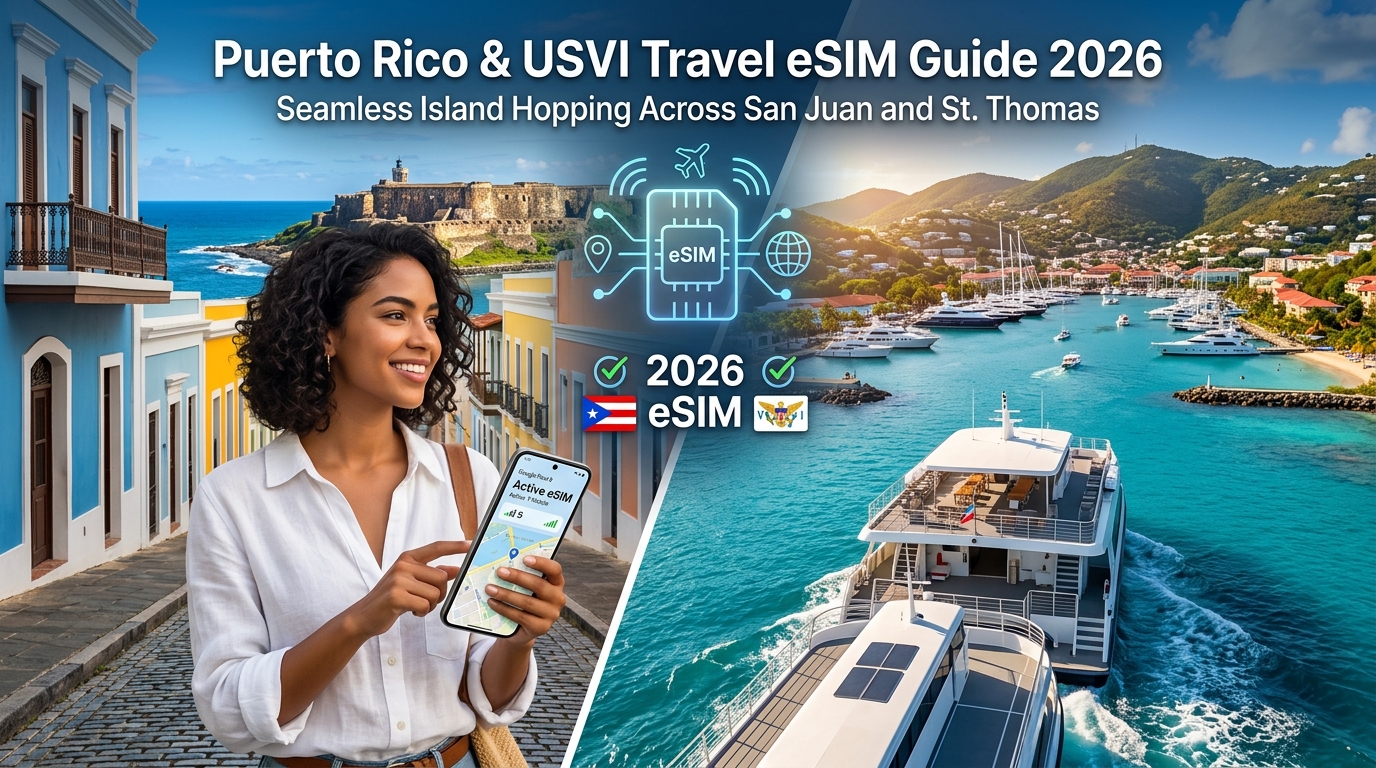
ความขัดแย้งด้านการเชื่อมต่อในแคริบเบียน: ทำไมแพ็กเกจค่ายมือถือจากสหรัฐฯ แผ่นดินใหญ่จึงมักใช้งานไม่ได้ผลในเปอร์โตริโกและ USVI
หนึ่งในความเข้าใจผิดยอดฮิตของนักท่องเที่ยวคือการคิดว่าเปอร์โตริโก (Puerto Rico) และหมู่เกาะเวอร์จินของสหรัฐอเมริกา (US Virgin Islands หรือ USVI) จะมอบประสบการณ์ใช้งานอินเทอร์เน็ตบนมือถือที่ราบรื่นและพร้อมใช้งานทันทีแบบ Plug-and-Play เหมือนการเดินทางข้ามรัฐจากฟลอริดาไปนิวยอร์ก เนื่องจากปลายทางทั้งสองแห่งเป็นดินแดนของสหรัฐฯ (US Territories) ที่ใช้สกุลเงินดอลลาร์สหรัฐและอยู่ภายใต้กฎระเบียบของรัฐบาลกลาง นักเดินทางจึงมักเหมาเอาเองว่าแพ็กเกจโทร ข้อความ และอินเทอร์เน็ตแบบไม่จำกัดที่ใช้อยู่ในประเทศจะทำงานได้เหมือนเดิมทุกประการ
แต่ในความเป็นจริง ทันทีที่คุณข้ามช่องแคบโมนา (Mona Passage) หรือแลนดิ้งสู่สนามบินนานาชาติลุยส์ มูญอซ มาริน (SJU) อุปกรณ์ของคุณจะต้องเผชิญกับโครงสร้างโทรคมนาคมระดับภูมิภาคที่แยกส่วน สิ่งที่ระบุบนกระดาษว่าเป็น "ความครอบคลุมในประเทศ" (Domestic Coverage) มักกลายเป็นสัญญาณที่มีค่าความหน่วง (Latency) สูง ข้อมูลถูกลดลำดับความสำคัญ (Deprioritization) อย่างรุนแรง หรือเจอกับจุดอับสัญญาณโดยสิ้นเชิงเมื่อลงพื้นที่จริง
การเปลี่ยนผ่านจาก AT&T สู่ Liberty: จุดเริ่มต้นของปัญหาโรมมิ่งจากแผ่นดินใหญ่
หากต้องการเข้าใจว่าทำไมซิมจากสหรัฐฯ แผ่นดินใหญ่ถึงใช้งานได้อย่างทุลักทุเลในซานฮวนและเซนต์โธมัส คุณต้องเข้าใจการเปลี่ยนแปลงเชิงโครงสร้างของตลาดโทรคมนาคมในแถบแคริบเบียนเสียก่อน ในอดีต AT&T เคยเป็นผู้ดูแลโครงสร้างพื้นฐานเครือข่ายของตนเองทั่วเปอร์โตริโกและ USVI ทว่าหลังจากการเข้าซื้อกิจการเครือข่ายบรอดแบนด์และไร้สายระดับภูมิภาคของ AT&T โดย Liberty Latin America (LLA) มูลค่าหลายพันล้านดอลลาร์ การผสานการเชื่อมต่อโดยตรงแบบเดิมจึงยุติลง
ซิมจากค่ายสหรัฐฯ แผ่นดินใหญ่ ---> Roaming Handshake ---> โครงข่ายหลัก Liberty/ท้องถิ่น ---> เกตเวย์แผ่นดินใหญ่ ---> Latency สูง / ข้อมูลถูกลดลำดับความสำคัญในปัจจุบัน เมื่อผู้ใช้บริการเครือข่าย AT&T, Verizon หรือ MVNO จากแผ่นดินใหญ่เดินทางถึงซานฮวนหรือชาร์ล็อตต์อะมาลี (Charlotte Amalie):
- อุปกรณ์ของคุณจะไม่ได้เชื่อมต่อกับโครงข่ายหลัก (Core Network) ของแผ่นดินใหญ่โดยตรง แต่จะเชื่อมต่อผ่าน ข้อตกลงโรมมิ่งระหว่างผู้ให้บริการ (Inter-carrier Roaming Agreement) กับ Liberty Mobile หรือ Claro
- แพ็กเก็ตข้อมูลจะถูกส่งผ่านเกตเวย์ต่างประเทศในภูมิภาคก่อนจะตีกลับไปยังแผ่นดินใหญ่ ส่งผลให้ค่า Ping พุ่งสูงขึ้นจากระดับปกติ 35ms ไปแตะถึง 180ms–300ms
- ผู้ใช้งานโรมมิ่งจะถูกกำหนดค่า Quality of Service Class Identifiers (QCI) ในระดับที่ต่ำกว่า ส่งผลให้ในช่วงเวลาที่มีการใช้งานหนาแน่น ลูกค้าแพ็กเกจรายเดือนท้องถิ่นจะได้รับแบนด์วิดท์ก่อน ส่วนผู้ใช้โรมมิ่งจากแผ่นดินใหญ่จะถูกลดความเร็ว (Throttled) อย่างหนักหน่วง
ภาพรวมผู้ให้บริการท้องถิ่น: เจาะลึกโครงสร้างพื้นฐาน
ผู้ให้บริการท้องถิ่นแต่ละรายไม่ได้ให้ความครอบคลุมที่เท่าเทียมกันในทุกเกาะ การรู้ว่าใครเป็นเจ้าของเสาสัญญาณจริงจึงเป็นสิ่งสำคัญอย่างยิ่งในการวางแผนเดินทางข้ามเกาะ:
| ผู้ให้บริการ | ขอบเขตโครงข่ายหลัก | จุดเด่น | จุดเปราะบาง & ข้อจำกัดด้านโรมมิ่ง |
|---|---|---|---|
| Claro Puerto Rico | เปอร์โตริโก (ครอบคลุมกว้างขวาง) | สัญญาณยอดเยี่ยมในพื้นที่ตอนในและเทือกเขา (El Yunque, Cordillera Central, Vieques/Culebra) | ไม่มีโครงข่ายของตนเองใน USVI (St. Thomas/St. John/St. Croix) |
| Liberty Mobile | เปอร์โตริโก & USVI | มีจำนวนเสาสัญญาณครอบคลุมทั้งสองดินแดนมากที่สุดหลังเข้าซื้อทรัพย์สินของ AT&T | การย้ายระบบ Backend Core ที่ยังดำเนินอยู่ทำให้เกิดปัญหาสัญญาณหลุดและเส้นทางข้อมูลช้าสำหรับซิมโรมมิ่ง |
| T-Mobile | เปอร์โตริโก & USVI | ยังคงผสานโครงข่ายหลักเข้ากับแผ่นดินใหญ่ พร้อมบริการ 5G ที่แข็งแกร่งในเขตเมือง | เสี่ยงต่อปัญหาเสาสัญญาณแออัดในย่านท่องเที่ยว สัญญาณอ่อนในพื้นที่ภูมิประเทศภูเขาสูงชัน |
เสาสัญญาณแออัดช่วงไฮซีซั่น: ทำไมเน็ตโรมมิ่งถึงสะดุด
โครงสร้างพื้นฐานทางกายภาพบนเกาะย่อมมีขีดจำกัด ในช่วงไฮซีซั่นของการท่องเที่ยวแถบแคริบเบียน (ตั้งแต่เดือนธันวาคมถึงเมษายน) แหล่งท่องเที่ยวที่มีความหนาแน่นสูงจะเผชิญกับภาวะเสาสัญญาณของค่ายใดค่ายหนึ่งรองรับการใช้งานจนล้นเกิน:
- เขตเมืองซานฮวน (Condado & Isla Verde): แนวรีสอร์ตริมชายหาดที่มีประชากรหนาแน่นรองรับการเชื่อมต่ออุปกรณ์หลายหมื่นเครื่องพร้อมกันภายในรัศมีเสาสัญญาณเดียว ทำให้แบนด์วิดท์ที่ยังว่างอยู่ลดลงอย่างรวดเร็ว
- เซนต์โธมัส (Charlotte Amalie & Red Hook): เมื่อเรือสำราญขนาดใหญ่ที่จุผู้โดยสารกว่า 4,000 คนเทียบท่าที่ Crown Bay และ West Indian Company Pier พร้อมกันหลายลำ สถานีฐานรับส่งสัญญาณท้องถิ่นใน Charlotte Amalie จะทำงานหนักจนโอเวอร์โหลด และในช่วงบ่ายเมื่อผู้คนมุ่งหน้าไปยังท่าเรือเฟอร์รี่ Red Hook เพื่อข้ามไปยังเกาะ St. John ปัญหาความแออัดของเครือข่ายจะเคลื่อนตัวไปทางทิศตะวันออก ส่งผลให้สัญญาณเน็ตโรมมิ่งค้างและหยุดทำงานโดยสิ้นเชิง
นักท่องเที่ยวเรือสำราญหลั่งไหลเข้าสู่เกาะ (St. Thomas) ──┐
                                                           ├──> เสาสัญญาณท้องถิ่นแออัด ──> ผู้ใช้โรมมิ่งถูกลดระดับเป็น QCI 9 (ความเร็วต่ำกว่า 1 Mbps)
ความหนาแน่นของรีสอร์ตใน Condado (San Juan) ───────────────┘
เมื่อเสาสัญญาณของเครือข่ายเดียวเกิดความแออัด ซิมการ์ดจากแผ่นดินใหญ่ที่ถูกล็อกไว้กับพาร์ตเนอร์โรมมิ่งรายเดียวจะไม่สามารถสลับไปใช้เครือข่ายอื่นได้ นี่จึงเป็นเหตุผลที่โซลูชันการเดินทางยุคใหม่อย่าง MollySIM มีความสำคัญอย่างยิ่ง ด้วยการรองรับ eSIM ประสิทธิภาพสูงที่สามารถสลับเครือข่ายแบบไดนามิก ช่วยให้คุณหลบเลี่ยงปัญหาเสาแออัด โดยระบบจะจับสัญญาณโครงสร้างพื้นฐานระดับภูมิภาคที่ดีที่สุดโดยอัตโนมัติ ไม่ว่าจะเป็น Claro, Liberty หรือพาร์ตเนอร์ท้องถิ่นรายอื่นที่มีสัญญาณและแบนด์วิดท์แรงที่สุด ณ ตำแหน่งนั้นๆ
นอกจากนี้ ในขณะที่แพ็กเกจโรมมิ่งทั่วไปมักจะลดความเร็วลงเหลือเพียงระดับ 2G ที่แทบใช้งานไม่ได้ (ประมาณ 64kbps ถึง 128kbps) เมื่อใช้เน็ตความเร็วสูงหมด MollySIM กลับรักษาความเร็วขั้นต่ำตามนโยบายการใช้งานอย่างเป็นธรรม (FUP) ไว้ที่ 384kbps ซึ่งถือว่าเร็วกว่าขีดจำกัดความเร็วของคู่แข่งถึง 3 เท่า ความเร็วขั้นต่ำ 384kbps นี้ทำให้แอปสำคัญสำหรับการเดินทาง เช่น การนำทางแบบเรียลไทม์บน Google Maps การเรียกรถผ่าน Uber และการทำธุรกรรมผ่าน Apple Pay/Google Wallet ยังคงทำงานได้อย่างราบรื่นโดยไม่ปล่อยให้คุณต้องติดค้างอยู่ที่ท่าเรือ
รับมือภูมิประเทศบนเกาะ: ความจริงเรื่องสัญญาณตั้งแต่ El Yunque ถึง St. John และ St. Croix
🇺🇸 United States High-Speed Travel eSIM & SIM Plans
Instant QR code activation, hotspot enabled, with guaranteed 384kbps fallback speed to keep Maps & Digital Wallets active.
หมู่เกาะแคริบเบียนมีภูมิประเทศที่เป็นอุปสรรคต่อคลื่นวิทยุสื่อสาร ยอดเขาหินบะซอลต์จากภูเขาไฟ ป่าทึบเขตร้อน และช่องแคบทางทะเลอันกว้างใหญ่ ก่อให้เกิดสภาพแวดล้อมสัญญาณมือถือที่แตกต่างกันอย่างมากในแต่ละจุดทั่วเปอร์โตริโกและหมู่เกาะเวอร์จินของสหรัฐฯ การทำความเข้าใจข้อจำกัดทางภูมิศาสตร์เหล่านี้จะช่วยป้องกันปัญหาสัญญาณหลุดกะทันหันขณะเดินทางออกนอกตัวเมือง
เปอร์โตริโก: สันเขาสูงชันและเส้นทางเดินเรือข้ามเกาะ
ภูมิประเทศของดินแดนนี้แบ่งออกเป็นสองฝั่งอย่างชัดเจนระหว่างแนวชายฝั่งที่มีประชากรหนาแน่นกับพื้นที่ภูเขาตอนในอันสลับซับซ้อน:
- อุทยานแห่งชาติป่าดิบชื้น El Yunque & Cordillera Central: เมื่อคุณขับรถขึ้นทางหลวง Route 191 เข้าสู่ El Yunque ป่าฝนที่มีความชื้นสูงจะทำให้คลื่นวิทยุ (RF) ถูกลดทอนลงอย่างมาก สัญญาณ 5G คลื่นความถี่กลาง (1.7–2.1 GHz) จะกระจายตัวและสูญหายอย่างรวดเร็ว อุปกรณ์จึงต้องเปลี่ยนไปใช้คลื่นความถี่ต่ำ 700/850 MHz แทน ส่วนในพื้นที่ลึกของแนวเทือกเขากลางเกาะ (Cordillera Central ตามเส้นทาง Ruta Panorámica) แนวสันเขาที่สูงชันจะบดบังสัญญาณจากเสาหลักริมชายฝั่ง ทำให้เกิดจุดอับสัญญาณบ่อยครั้งนอกเขตเมืองเล็กๆ บนภูเขาอย่าง Utuado หรือ Jayuya
- เส้นทางเดินเรือเฟอร์รี่หมู่เกาะสแปนิชเวอร์จิน (Ceiba ไปยัง Vieques & Culebra): เมื่อออกจากท่าเรือเฟอร์รี่ Ceiba อุปกรณ์จะยังคงรับสัญญาณ LTE ริมชายฝั่งได้ดีในช่วง 4 ถึง 6 ไมล์แรก แต่เมื่อถึงกลางช่องแคบ สัญญาณจะลดลงอย่างเห็นได้ชัดจนกว่าจะเข้าสู่ระยะสายตากับเสาสัญญาณบนเกาะปลายทาง
- Culebra: หาด Flamenco Beach ตั้งอยู่หลังแนวเขาธรรมชาติทำให้สัญญาณลดลงเหลือเพียงขีดเดียว ซึ่งโดยทั่วไปแล้ว Claro จะมีสัญญาณครอบคลุมแข็งแกร่งที่สุดในจุดนี้
- Vieques: ชายฝั่งทางเหนือ (Isabel II) มีสัญญาณที่เสถียรจากหลายผู้ให้บริการ ขณะที่เขตอนุรักษ์ธรรมชาติทางตอนใต้ใกล้กับ Mosquito Bay สัญญาณจะจางลงอย่างมากเนื่องจากข้อจำกัดด้านการอนุรักษ์ธรรมชาติที่ไม่อนุญาตให้สร้างเสาสัญญาณ
หมู่เกาะเวอร์จินของสหรัฐฯ: เงาสัญญาณจากแนวสันเขาและอ่าวในเขตอุทยานแห่งชาติ
ภูมิประเทศที่เป็นภูเขาไฟของ USVI สร้างอุปสรรคสำคัญต่อการกระจายสัญญาณภาคพื้นดิน:
┌─────────────────┬──────────────────────────────────┬─────────────────────────────────────┐
│ สถานที่         │ ความท้าทายหลักของภูมิประเทศ      │ พฤติกรรมการเชื่อมต่อที่คาดว่าจะพบ   │
├─────────────────┼──────────────────────────────────┼─────────────────────────────────────┤
│ St. Thomas      │ แนวสันเขาภูเขาไฟสูง 1,500 ฟุต    │ สัญญาณแรงบนยอดเขา แต่เกิดจุดอับ     │
│                 │ (Crown Mountain)                 │ สัญญาณในอ่าวเปลี่ยวทางทิศเหนือ      │
├─────────────────┼──────────────────────────────────┼─────────────────────────────────────┤
│ St. John        │ อุทยานแห่งชาติ Virgin Islands    │ ไม่มีเสาสัญญาณขนาดใหญ่บนชายหาด      │
│                 │ หุบเขาสูงชันและพุ่มไม้หนาทึบ     │ สัญญาณ LTE ความถี่ต่ำสะท้อนลงมาจากเขา │
├─────────────────┼──────────────────────────────────┼─────────────────────────────────────┤
│ St. Croix       │ ภูมิประเทศเนินเขากว้างขวาง        │ สัญญาณครอบคลุมสม่ำเสมอระหว่าง       │
│                 │ และที่ราบชายฝั่งทะเล             │ Christiansted และ Frederiksted      │
└─────────────────┴──────────────────────────────────┴─────────────────────────────────────┘- St. Thomas: แนวสันเขากลางเกาะสร้าง "เงาสัญญาณ" ที่ชัดเจน แม้ว่าท่าเรือทางตอนใต้อย่าง Charlotte Amalie และ Havensight จะมีสัญญาณแรง แต่เมื่อข้ามสันเขาลงไปยัง Magens Bay หรือ Hull Bay ทางทิศเหนือ โทรศัพท์ของคุณจะถูกตัดขาดจากสถานีฐานทางใต้ และต้องอาศัยการสลับสัญญาณไปยังเสาริมชายฝั่งทางเหนือโดยอัตโนมัติ
- St. John: กว่า 60% ของพื้นที่เกาะได้รับการคุ้มครองในฐานะอุทยานแห่งชาติ Virgin Islands National Park ซึ่งมีกฎหมายห้ามสร้างเสาสัญญาณขนาดใหญ่ในเขตอุทยาน อ่าวชื่อดังอย่าง Trunk Bay, Cinnamon Bay และ Maho Bay ล้วนตั้งอยู่ลึกในหุบเขา จึงรับได้เพียงสัญญาณสะท้อนจากเสาที่ตั้งอยู่บนถนน Centerline Road เท่านั้น ในจุดที่มีสัญญาณต่ำเหล่านี้ แพ็กเกจทั่วไปที่ถูกลดความเร็วเหลือ 128kbps จะโหลดแผนที่ไม่ขึ้น แต่การใช้ eSIM คุณภาพสูงจาก MollySIM จะช่วยให้คุณใช้งานต่อได้อย่างราบรื่นด้วย ความเร็วขั้นต่ำ FUP ที่ 384kbps ซึ่งเร็วกว่ามาตรฐานทั่วไปถึง 3 เท่า ทำให้การโหลดแผนที่เส้นทางเดินป่าและการจ่ายเงินค่าที่จอดรถออนไลน์ทำได้อย่างไม่มีปัญหา
- St. Croix: แตกต่างจากเกาะพี่น้องทางเหนือ เกาะ St. Croix มีที่ราบเกษตรกรรมและชายฝั่งที่ราบเรียบ การรับส่งสัญญาณระหว่าง Christiansted ทางตะวันออก และ Frederiksted ทางตะวันตกไปตามถนน Centerline Road (Route 70) จึงมีความเสถียรสูง โครงสร้างพื้นฐานได้รับผลกระทบจากภูมิประเทศน้อยมาก ยกเว้นบริเวณป่าฝนกึ่งเขตร้อนทางตะวันตกเฉียงเหนือใกล้ Mount Eagle
กับดักสัญญาณ "ข้ามพรมแดน" จากเกาะบริติชเวอร์จิน (BVI) ทางตอนเหนือของ St. John
อันตรายด้านการเชื่อมต่อที่พบได้บ่อยที่สุดใน USVI เกิดขึ้นบริเวณชายฝั่งทางเหนือและตะวันออกของเกาะ St. John ซึ่งช่องแคบ Sir Francis Drake Channel มีความกว้างไม่ถึง 3 ไมล์ คั่นระหว่าง St. John (เขตแดนสหรัฐฯ) กับ Tortola หรือ Jost Van Dyke (เขตแดนหมู่เกาะบริติชเวอร์จิน หรือ BVI)
เนื่องจากคลื่นวิทยุเดินทางข้ามผืนน้ำได้เป็นอย่างดี ผู้ให้บริการฝั่งอังกฤษ (Flow และ Digicel BVI) จึงส่งสัญญาณข้ามช่องแคบมาอย่างแรง ซิมการ์ดของค่ายสหรัฐฯ แผ่นดินใหญ่ (ที่ตั้งค่าโรมมิ่งในประเทศอัตโนมัติไว้) มักเข้าใจผิดว่าเสาสัญญาณต่างประเทศที่มีสัญญาณแรงกว่าเหล่านี้เป็นโหนดหลัก และทำการจับสัญญาณโดยอัตโนมัติ
ผลลัพธ์ทางการเงินคือ คุณอาจถูกคิดค่าธรรมเนียม "Day Pass" ระหว่างประเทศ (วันละ 10 ถึง 15 ดอลลาร์) หรือค่าบริการตามปริมาณการใช้งานจริงที่สูงลิบ (2.05+ ดอลลาร์ต่อ MB) ทั้งๆ ที่คุณกำลังยืนอยู่บนแผ่นดินสหรัฐฯ บริเวณ Trunk Bay หรือ Francis Bay
การเลือกใช้ Travel eSIM อย่าง MollySIM จะช่วยตัดปัญหากับดักค่าบริการข้ามพรมแดนนี้ได้อย่างสิ้นเชิง เนื่องจาก eSIM ทำงานบนระบบเติมเงินที่โปร่งใสและไม่มีการผูกบัญชีรายเดือนแบบ Post-paid จึงไม่มีทางเกิดค่าโรมมิ่งทางทะเลหรือค่าโรมมิ่งต่างประเทศแอบแฝง นอกจากนี้ ระบบเลือกเครือข่ายอัจฉริยะของ MollySIM ยังจัดลำดับความสำคัญให้เชื่อมต่อเฉพาะพาร์ตเนอร์ท้องถิ่นในแคริบเบียนของสหรัฐฯ เท่านั้น ช่วยให้คุณเชื่อมต่อได้อย่างปลอดภัยไร้กังวล
กับดักสัญญาณทางทะเล เรือเฟอร์รี่ และท่าเรือสำราญ: วิธีป้องกันค่าโรมมิ่งดาวเทียมโดยไม่ตั้งใจ
การเดินทางทางน้ำในแถบแคริบเบียน ไม่ว่าจะเป็นการขึ้นเรือสำราญขนาดใหญ่จากท่าเรือ Pan American Pier หรือ Old San Juan Pier 4 ในซานฮวน การนั่งเรือเฟอร์รี่ข้ามฟากจาก Ceiba ไปยัง Culebra หรือการเช่าเรือคาตามารันระหว่าง Red Hook (St. Thomas) ไปยัง Cruz Bay (St. John) อาจทำให้อุปกรณ์ของคุณเจอกับหนึ่งในระบบคิดค่าบริการที่แพงที่สุดในโลกโทรคมนาคม นั่นคือ Cellular at Sea (สัญญาณมือถือทางทะเล)
กลไกการดักจับสัญญาณดาวเทียมทางทะเล
ทันทีที่เรือเดินทางพ้นระยะการมองเห็นของเสาสัญญาณบนฝั่ง (โดยทั่วไปอยู่ระหว่าง 3 ถึง 12 ไมล์ทะเลจากชายฝั่ง) ทรานสปอนเดอร์สัญญาณทางทะเลบนเรือ (ที่ดำเนินการโดยผู้ให้บริการโครงข่ายดาวเทียม เช่น Wireless Maritime Services (WMS) หรือ Telenor Maritime) จะเริ่มทำงานโดยอัตโนมัติ
┌─────────────────────────────────────────────────────────────────────────┐
│                    แบบจำลองความเสี่ยงของการเชื่อมต่อทางทะเล              │
├──────────────────────────┬──────────────────────────────────────────────┤
│ ระยะสัญญาณภาคพื้นดิน    │ 0–3 ไมล์ทะเล: ล็อกสัญญาณเสาบนเกาะ (LTE/5G)    │
├──────────────────────────┼──────────────────────────────────────────────┤
│ "พื้นที่ก้ำกึ่ง (Grey Zone)"│ 3–12 ไมล์ทะเล: สัญญาณเกาะเริ่มสวิงสลับกับเรือ   │
├──────────────────────────┼──────────────────────────────────────────────┤
│ ระยะทะเลลึก              │ >12 ไมล์ทะเล: ทรานสปอนเดอร์ดาวเทียมบนเรือเข้าคุม│
├──────────────────────────┴──────────────────────────────────────────────┤
│ ผลลัพธ์: ซิมรายเดือนทั่วไปอาจถูกคิดค่าบริการ $10.00 ถึง $25.00+ ต่อ MB    │
└─────────────────────────────────────────────────────────────────────────┘
สถานีฐานบนเรือเหล่านี้ไม่ได้ส่งข้อมูลผ่านเครือข่ายโทรคมนาคมทั่วไป แต่จะยิงสัญญาณตรงผ่านโครงข่ายดาวเทียมวงโคจรประจำที่ (GEO) หรือวงโคจรระดับกลาง (MEO) หากอุปกรณ์ของคุณยังเปิดใช้งานซิมการ์ดรายเดือนจากแผ่นดินใหญ่พร้อมเปิด "Data Roaming" ไว้ ระบบปฏิบัติการจะมองว่าเสาอากาศบนเรือนี้เป็นพาร์ตเนอร์โรมมิ่งที่พร้อมใช้งาน
ผลกระทบทางการเงินนั้นรุนแรงมาก เพราะค่ายมือถือรายเดือนในสหรัฐฯ ไม่ได้รวมข้อมูลทางทะเลไว้ในแพ็กเกจมาตรฐานหรือแพ็กเกจรายวันระหว่างประเทศ การซิงค์ข้อมูลเบื้องหลังเพียง 100 MB จากการอัปโหลดรูปภาพขึ้น Cloud หรือการอัปเดตแอป อาจทำให้เกิด ค่าบริการดาวเทียมส่วนเกินสูงถึง $1,000 ถึง $2,500 ภายในเวลาไม่กี่นาทีระหว่างการล่องเรือดินเนอร์หรือการเดินทางออกจากท่าเรือ
ตารางเปรียบเทียบ: รูปแบบการเชื่อมต่อสัญญาณนอกชายฝั่ง
| ประเภทเครือข่าย | พาร์ตเนอร์โครงสร้างพื้นฐาน | ค่า Latency | อัตราค่าบริการเฉลี่ย | ความเสี่ยงจากบิลช็อกไม่คาดคิด |
|---|---|---|---|---|
| สัญญาณบนเกาะภาคพื้นดิน | Claro / Liberty PR / AT&T USVI | 35–65 ms | รวมอยู่ในแพ็กเกจท้องถิ่น/eSIM | ไม่มี (สำหรับซิมเติมเงินและ eSIM ทั่วไป) |
| เส้นทางเรือเฟอร์รี่ข้ามเกาะ | ไมโครเซลล์ขยายสัญญาณริมชายฝั่ง | 50–90 ms | อัตราแพ็กเกจในประเทศ | ต่ำ (ปลอดภัยเมื่ออยู่ในเขตน่านน้ำ) |
| สัญญาณดาวเทียมบนเรือ "Cellular at Sea" | WMS / Telenor Maritime / VSAT | 650–900+ ms | $10.24 – $25.00+ ต่อ MB | สูงมากที่สุด (สำหรับซิมรายเดือนทั่วไป) |
| Travel eSIM (MollySIM) | โรมมิ่งภาคพื้นดินระดับ Tier-1 | 40–70 ms | จัดสรรตามแพ็กเกจเติมเงิน | ไม่มี (ไม่สามารถเชื่อมต่อกับดาวเทียมบนเรือได้) |
วิธีตั้งค่าอุปกรณ์แบบทีละขั้นตอน: ล็อกสัญญาณให้อยู่บนโครงข่ายภาคพื้นดิน
หากต้องการใช้งานเน็ตความเร็วสูงตามแนวชายฝั่งอย่างปลอดภัยโดยไม่เผลอไปเชื่อมต่อกับสัญญาณดาวเทียมบนเรือ ให้ตั้งค่าอุปกรณ์ตามขั้นตอนต่อไปนี้ก่อนที่เรือจะออกจากท่า:
1. ปิดการเลือกเครือข่ายอัตโนมัติ (Disable Automatic Network Selection)
สมาร์ทโฟนรุ่นใหม่มักตั้งค่าการค้นหาเครือข่ายเป็น "Automatic" ซึ่งจะคอยจับสัญญาณที่แรงที่สุดเสมอ และเมื่ออยู่บนเรือ สัญญาณที่แรงที่สุดก็คือเสาดาวเทียมบนเรือนั่นเอง
- iOS: ไปที่
Settings(การตั้งค่า) >Cellular(เซลลูลาร์) > เลือกซิมเน็ตของคุณ >Network Selection(เครือข่าย) > ปิดAutomatic(อัตโนมัติ) > เลือกเครือข่ายภาคพื้นดินด้วยตนเอง (เช่น Claro PR, Liberty หรือ AT&T) - Android: ไปที่
Settings(การตั้งค่า) >Network & internet(เครือข่ายและอินเทอร์เน็ต) >SIMs(ซิม) > เลือกซิมเน็ตของคุณ > ปิดAutomatically select network(เลือกเครือข่ายโดยอัตโนมัติ) > เลือกเครือข่ายภาคพื้นดินจากรายการที่สแกนพบ
2. ปิดการดึงข้อมูลเบื้องหลังแบบไม่จำกัด (Kill Unrestricted Background Refresh)
แม้ว่าจะล็อกสัญญาณภาคพื้นดินไว้ขณะแล่นผ่านเกาะสแปนิชเวอร์จิน (Vieques และ Culebra) แต่สัญญาณที่อ่อนอาจทำให้เปลืองแบตเตอรี่และเกิดการรับส่งข้อมูลซ้ำซ้อน:
- เปิดโหมด
Low Data Mode(iOS) หรือData Saver(Android) เพื่อระงับการซิงค์ iCloud และการอัปเดตแอปอัตโนมัติขณะอยู่กลางทะเล
การปกป้องเชิงโครงสร้างด้วย MollySIM
การใช้งานอินเทอร์เน็ตผ่าน eSIM สำหรับเดินทางจาก MollySIM จะช่วยเปลี่ยนความเสี่ยงทางทะเลของคุณได้อย่างสิ้นเชิง:
- ปลอดภัยจากสัญญาณดาวเทียม 100%: โปรไฟล์ของ MollySIM จะเชื่อมต่อเฉพาะกับโครงข่ายหลักภาคพื้นดินที่ผ่านการยืนยันเท่านั้น เนื่องจาก MollySIM ไม่มีข้อตกลงทางการค้ากับผู้ให้บริการดาวเทียมทางทะเล (เช่น WMS หรือ Maritime Communications Partner) โทรศัพท์ของคุณจึงไม่สามารถจับคู่สัญญาณกับเสาสัญญาณดาวเทียมบนเรือได้เลย หากคุณแล่นเรือออกนอกระยะสัญญาณภาคพื้นดิน อินเทอร์เน็ตจะตัดเข้าสู่สถานะออฟไลน์ตามปกติ โดยไม่เสี่ยงต่อค่าบริการส่วนเกิน
- **แบนด์วิดท์เสถียรบน
🇺🇸 United States High-Speed Travel eSIM & SIM Plans
Instant QR code activation, hotspot enabled, with guaranteed 384kbps fallback speed to keep Maps & Digital Wallets active.