Volcanoes, Lakes & Connectivity: The Ultimate Nicaragua Travel eSIM Guide for Adventurers
Unlocking Nicaragua: Why Reliable Connectivity is Your Ultimate Adventure Gear
Nicaragua, a land of raw beauty and untamed spirit, beckons adventurers with its captivating blend of natural wonders, rich history, and vibrant culture. This Central American gem offers an unparalleled playground for those seeking authentic, off-the-beaten-path experiences. Imagine the thrill of sandboarding down the active slopes of Cerro Negro, the serene beauty of kayaking through the islets of Lake Nicaragua, or hiking through the cloud forests of Mombacho Volcano. Beyond its iconic volcanoes and stunning lakes, Nicaragua boasts charming colonial cities like Granada and León, where cobblestone streets lead to architectural marvels and bustling markets. Along its Pacific coast, surf towns like San Juan del Sur offer world-class waves and a laid-back vibe.
This diverse landscape, coupled with its affordability and genuine local interactions, has cemented Nicaragua's reputation as a prime destination for backpackers, eco-tourists, and thrill-seekers. From scaling volcanic peaks to exploring ancient ruins, from volunteering in local communities to simply soaking in the vibrant street life, every corner of Nicaragua promises an unforgettable journey.
Connectivity: Your Essential Companion in the Wild
While the allure of disconnecting from the digital world might seem appealing in such a pristine environment, the reality for the modern adventurer is that reliable internet connectivity is no longer a luxury – it's an absolute necessity. In a country as geographically varied and sometimes challenging to navigate as Nicaragua, staying connected becomes your ultimate adventure gear, critical not just for convenience, but for safety, efficiency, and peace of mind.
Consider these scenarios:
- Safety & Emergencies: Whether you're trekking through a remote jungle, exploring a less-trafficked beach, or simply navigating a bustling city, the ability to make an emergency call, access local emergency services, or share your live location with loved ones can be life-saving.
- Navigation & Logistics: Winding roads, unpaved paths, and sometimes ambiguous signage mean GPS navigation (via Google Maps, Waze, or similar apps) is indispensable. Confirming bus schedules, finding the right ferry to Ometepe Island, or locating your pre-booked hostel in a new town all hinge on a stable internet connection.
- Booking & Planning on the Fly: Spontaneous travel is part of the adventure, but confirming last-minute accommodation, booking a volcano tour, reserving a shuttle, or checking the availability of a surf lesson often requires online access.
- Communication & Sharing: Staying in touch with family and friends, sharing your incredible photos and videos in real-time, or communicating with local guides and tour operators through messaging apps are all integral parts of the modern travel experience.
- Financial Transactions: Many modern payment methods, including Apple Pay and other digital wallets, rely on an active internet connection, making seamless transactions possible even in smaller establishments.
The Modern Solution: eSIM Technology
Traditional methods of staying connected – relying on expensive international roaming plans or hunting down local physical SIM cards upon arrival – often present significant hurdles. Roaming costs can quickly skyrocket, while acquiring a physical SIM can involve language barriers, registration complexities, and the hassle of swapping tiny cards.
Enter the eSIM: a game-changer for international travelers. This embedded SIM technology allows you to activate a local data plan digitally, without needing a physical card. It offers unparalleled flexibility, convenience, and often, more competitive rates. For a destination like Nicaragua, where you might move between bustling cities and remote natural parks, an eSIM provides the seamless, worry-free access that traditional methods simply can't match.
This comprehensive guide is designed to demystify the world of eSIMs for your Nicaraguan adventure, ensuring you're equipped with the knowledge to choose the perfect connectivity solution. We'll delve into why an eSIM is your best bet and how providers like MollySIM stand out in delivering a truly connected experience. MollySIM, for instance, offers a robust 384kbps Fair Use Policy speed limit, which is three times faster than many competitors' 128kbps. This isn't just a technical specification; it translates directly into a smoother user experience, ensuring your Google Maps loads quickly, Apple Pay transactions process without a hitch, and essential communication apps remain responsive. Furthermore, MollySIM's unique fallback feature provides an extra layer of security, automatically switching to the best available network to ensure continuous connectivity, a crucial advantage in Nicaragua's diverse geographical landscape where network coverage can vary. Prepare to unlock Nicaragua with confidence, knowing reliable internet is always within reach.
Nicaragua's Digital Pulse: Understanding Local Networks & Coverage Realities
🇺🇸 United States High-Speed Travel eSIM & SIM Plans
Instant QR code activation, hotspot enabled, with guaranteed 384kbps fallback speed to keep Maps & Digital Wallets active.
Navigating Nicaragua's diverse landscapes, from its bustling colonial cities to its remote volcanic peaks, requires more than just a sense of adventure; it demands a clear understanding of its digital infrastructure. While the country has made significant strides in expanding mobile connectivity, the reality on the ground is a patchwork of robust urban networks and challenging rural zones. For the discerning traveler, knowing what to expect from Nicaragua's mobile networks is crucial for planning and staying connected.
The Duopoly: Claro and Tigo
Nicaragua's mobile market is primarily dominated by two major operators: Claro and Tigo. Both companies have invested heavily in their networks, offering a mix of 3G and 4G LTE services across the country.
- Claro Nicaragua: As part of América Móvil, a telecommunications giant, Claro holds the largest market share in Nicaragua. It boasts the most extensive network coverage, particularly strong in urban centers and along major transportation corridors. Claro's 4G LTE network is well-established in cities, providing generally reliable speeds for data-intensive activities.
- Tigo Nicaragua: Owned by Millicom, Tigo is the second-largest operator and a strong competitor. Tigo has also expanded its 4G LTE footprint in key cities and tourist areas, offering competitive speeds and services. While its overall coverage might be slightly less extensive than Claro's in the most remote corners, Tigo often provides excellent service in its covered areas.
Both operators primarily offer 3G and 4G LTE services. While 5G technology is being tested in some parts of Central America, it is not yet widely available for consumers in Nicaragua. The actual speeds and reliability you experience will vary significantly depending on your location.
Coverage Realities by Region
Understanding where you'll find strong signals versus where you might encounter dead zones is paramount for an adventurer.
### Excellent Coverage: Urban Hubs & Coastal Hotspots
In Nicaragua's most developed and populated areas, you can expect excellent and reliable mobile coverage.
- Locations: Major cities like Managua, the capital; the historic colonial cities of Granada and León; and the popular Pacific surf town of San Juan del Sur.
- Network & Speeds: In these areas, both Claro and Tigo provide strong 4G LTE signals. You can typically expect speeds suitable for high-bandwidth activities such as video streaming, video calls, heavy social media usage, and seamless navigation. Reliability is high, with minimal signal drops. This robust connectivity ensures that essential travel tools like Google Maps load quickly for real-time directions, and digital payment systems like Apple Pay process without a hitch. An eSIM solution like MollySIM, with its robust 384kbps Fair Use Policy speed limit (which is three times faster than many competitors' 128kbps), ensures that even during peak usage, your experience in these well-connected zones remains smooth and uninterrupted.
### Good to Moderate Coverage: Ometepe Island & Mid-Tier Destinations
As you venture slightly off the main urban grid, coverage can become more variable, particularly in areas with challenging terrain.
- Locations: Ometepe Island, a unique destination formed by two volcanoes, is a prime example. The main port town of Moyogalpa and the larger town of Altagracia generally offer good 4G LTE or strong 3G connectivity, sufficient for most daily needs.
- Variations & Terrain Impact: However, as you move towards the more remote parts of the island, especially around the slopes of the Maderas and Concepción volcanoes or into less populated interior villages, signal strength can degrade significantly. Here, you might find yourself relying on 3G, 2G/EDGE, or even encountering intermittent dead zones. The volcanic peaks and dense jungle foliage naturally obstruct radio waves, creating signal "shadows" that can impact connectivity. While basic communication might still be possible, data-intensive tasks will become noticeably slower and more challenging. This is where an eSIM with a strong fallback feature, like MollySIM, proves invaluable, helping maintain a usable connection even when the primary network struggles.
### Challenging/Limited Coverage: Off the Beaten Path
For true adventurers venturing into Nicaragua's wild heart, preparing for limited or no connectivity is essential.
- Locations: This includes vast rural areas, specific volcanic trekking routes (e.g., the summit of Mombacho, the slopes of Cerro Negro), remote nature reserves (such as Indio Maíz Biological Reserve or Miraflor Natural Reserve), secluded beaches far from developed towns, and certain border crossings where infrastructure can be sparse right at the frontier (e.g., Peñas Blancas).
- Common Issues: In these challenging zones, you'll frequently encounter spotty signals, intermittent connectivity, or complete dead zones. Speeds will often revert to 3G or even 2G/EDGE, making even basic browsing a test of patience.
- Why Variations Exist: The reasons are multifaceted:
- Topography: Nicaragua's rugged, mountainous terrain, deep valleys, and dense forests are natural barriers to radio waves.
- Infrastructure Investment: Mobile operators prioritize densely populated and economically viable areas. Remote regions simply do not justify the significant cost of extensive tower deployment, maintenance, and reliable power access.
- Implications for Adventurers: For those venturing off the beaten path, these coverage gaps carry significant implications. Lack of connectivity can be a safety concern during emergencies, hinder real-time navigation (making offline maps crucial), and complicate communication with guides, fellow travelers, or emergency services. This is precisely where a reliable eSIM solution like MollySIM becomes indispensable. While high-speed 4G might not always be available, MollySIM's commitment to maintaining the best possible connection and its unique fallback feature means you're more likely to secure a usable signal (even if it's 3G) where other providers might fail entirely. This ensures that essential apps like Google Maps can still load critical information, and communication via messaging apps remains possible, offering a vital lifeline when exploring Nicaragua's most remote and breathtaking landscapes.
The eSIM Revolution for Nicaraguan Explorers: Why MollySIM Stands Out
The era of fumbling with tiny physical SIM cards, enduring exorbitant international roaming charges, or lugging around cumbersome pocket Wi-Fi devices is rapidly fading, especially for the discerning adventurer exploring a country like Nicaragua. eSIM technology represents a paradigm shift in global connectivity, offering unparalleled convenience, flexibility, and cost-effectiveness. For those venturing into Nicaragua's rugged landscapes, bustling colonial cities, or serene island retreats, an eSIM isn't just an upgrade – it's an essential tool, and MollySIM (https://mollysim.com) is leading the charge with features specifically designed for the intrepid traveler.
The Core Advantages of eSIMs for Nicaraguan Travel
Unmatched Convenience
Imagine landing at Managua's Augusto C. Sandino International Airport, bypassing the need to search for a local SIM vendor, haggle over prices, or even open your phone's SIM tray. With an eSIM, your connectivity is digitally activated before you even depart or immediately upon arrival. There's no physical card to insert, lose, or swap. This means you can maintain your home country's physical SIM for calls and texts (keeping your primary number active for banking, two-factor authentication, etc.) while using the eSIM purely for data in Nicaragua. Furthermore, many eSIM providers, including MollySIM, offer multi-country support from a single profile, simplifying future travels beyond Nicaragua.
Unprecedented Flexibility
Traditional SIM cards often lock you into specific plans or require purchasing new ones for different regions. eSIMs, particularly MollySIM, offer a spectrum of flexible data plans tailored to varying trip lengths and usage needs. Whether you're on a quick 3-day surf trip to San Juan del Sur, a two-week volcano-hopping adventure, or an extended month-long backpacking journey through the country, you can choose a data allowance and validity period that perfectly aligns with your itinerary and budget. This eliminates paying for data you don't use or running out unexpectedly.
Transparent Cost-Effectiveness
International roaming, while convenient, is notoriously expensive and often riddled with hidden fees, leading to dreaded "bill shock" upon returning home. Local physical SIMs require upfront purchase and registration, which can be a time-consuming hassle in a foreign country. eSIMs, by contrast, are often significantly cheaper and more transparent. You pre-purchase your data plan at a fixed price, knowing exactly what you're getting and what it will cost, avoiding any unexpected charges. This financial predictability is invaluable when budgeting for an adventure.
Enhanced Security and Peace of Mind
Beyond the practicalities, eSIMs offer an added layer of security and peace of mind. There's no physical card to misplace, damage, or have stolen, which is a genuine concern when traveling. By keeping your primary SIM active, you retain access to your home number for critical communications, while your eSIM handles all your data needs, ensuring you're always connected without compromising your main line.
Why MollySIM is the Adventurer's Choice in Nicaragua
While the general benefits of eSIMs are compelling, MollySIM elevates the experience for Nicaraguan adventurers with specific features designed for reliability and safety in diverse environments.
Effortless Digital Activation
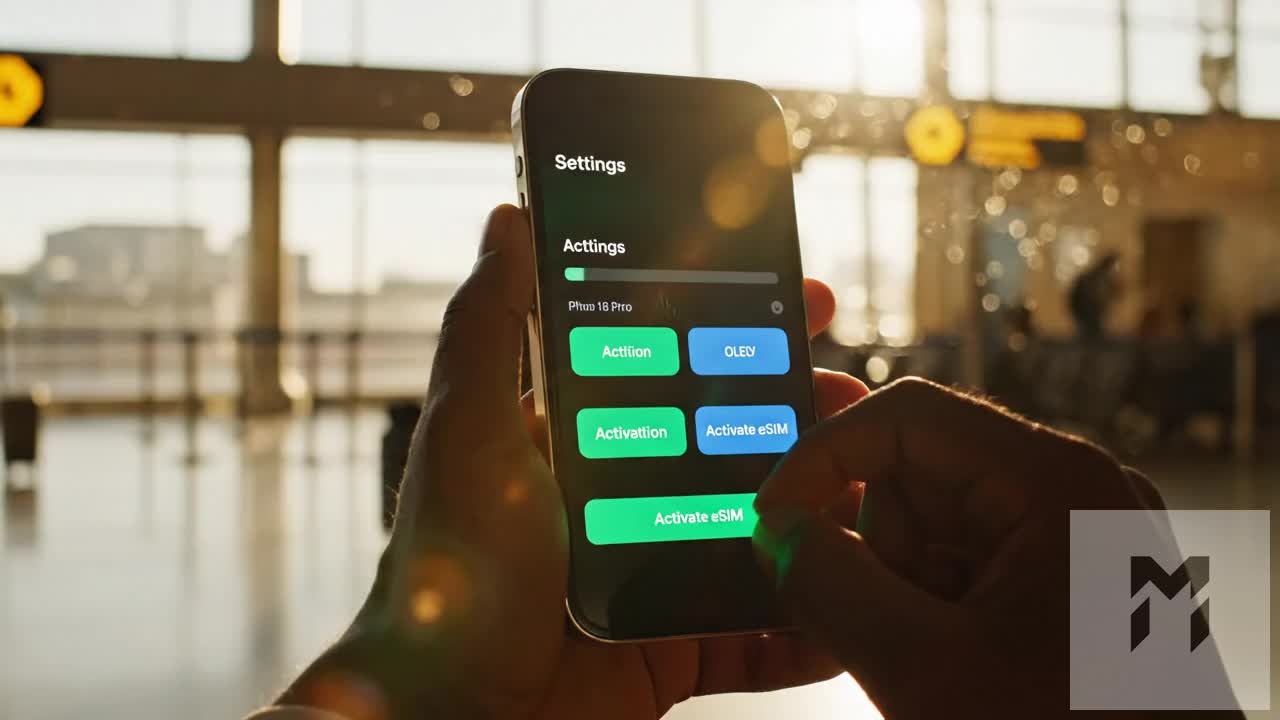
MollySIM streamlines the activation process to be as simple as possible. After purchasing your plan from https://mollysim.com, you'll receive a QR code. A quick scan with your smartphone's camera, a few taps, and your eSIM profile is downloaded and ready to go. This can be done from the comfort of your home before departure, or even upon landing at the airport, ensuring you're connected the moment you step off the plane. No physical interaction, no language barriers, just seamless connectivity.
Tailored Data Plans for Every Journey
MollySIM understands that not all adventures are created equal. Their range of flexible data plans caters to every type of traveler. From smaller data packages for those who primarily rely on Wi-Fi but need occasional connectivity, to generous allowances for digital nomads or those planning extensive explorations of Nicaragua's remote areas, MollySIM has a plan to fit. This adaptability means you're never overpaying for unused data or underprepared for your connectivity needs.
The MollySIM Game-Changer: Continuous Connectivity with 384kbps FUP
This is where MollySIM truly stands out for the Nicaraguan explorer. Unlike many competitors who throttle speeds to a barely usable 128kbps (or even cut you off entirely) once your high-speed data allowance is exhausted, MollySIM offers an unrivaled Fair Usage Policy (FUP) speed of 384kbps.
What does 384kbps mean in practical terms for an adventurer in Nicaragua? It's a critical difference. While not suitable for streaming high-definition video, 384kbps is perfectly sufficient for:
- Essential Communication: Sending and receiving WhatsApp messages, basic emails, and using VoIP apps for calls and texts (e.g., WhatsApp calls, Messenger calls).
- Navigation: Crucially, it allows for slow but functional loading of Google Maps or Apple Maps. This is a monumental advantage over 128kbps, which often struggles to load even basic map tiles. With MollySIM, you can still get directions, check your location, and find points of interest even after your primary data runs out. This also means services like Apple Pay can function smoothly for transactions requiring a data connection.
- Basic Information Retrieval: Checking weather updates, looking up simple facts, or accessing emergency contact details.
- Safety Net: In remote volcanic areas, dense jungles, or during a hike on Ometepe Island, losing high-speed data doesn't mean losing all connectivity. This continuous, basic connection is an absolute game-changer for safety.
Consider these specific scenarios where MollySIM's 384kbps FUP is invaluable:
- Lost on Ometepe: You're hiking Volcán Maderas, your high-speed data runs out, and you take a wrong turn. With 384kbps, you can still slowly load your map to reorient yourself, or send a WhatsApp message to your guide or hostel for assistance.
- Rural Hostel Coordination: Arriving late to a remote eco-lodge near Matagalpa, you need to confirm your booking or get last-minute directions. Even if your main data is depleted, MollySIM ensures you can still communicate.
- Volcanic Activity Updates: Exploring the active Volcán Masaya, you want to quickly check for any official alerts or updates. 384kbps allows you to load basic government or news pages.
- Maintaining Contact: Reassuring loved ones back home with a quick message or checking in with fellow travelers, even when off the grid.
MollySIM's commitment to providing a 3x faster FUP speed than many competitors (who typically offer 128kbps) means you retain a genuinely usable connection for critical tasks, transforming a potential dead-end into a lifeline. This continuous, reliable, albeit slower, connectivity is the ultimate peace of mind for any adventurer exploring the diverse and sometimes challenging terrain of Nicaragua.
Navigating Nicaragua Connected: Practical Tips & MollySIM's Role
Exploring Nicaragua's breathtaking landscapes, from its bustling colonial cities to its serene volcanic islands, demands a strategic approach to connectivity. While the allure of disconnecting is strong, reliable data is an indispensable tool for safety, efficiency, and enriching your travel experience. MollySIM empowers adventurers to navigate Nicaragua with confidence, ensuring you're always just a tap away from crucial information or assistance.
Strategic Navigation & Seamless Exploration
While offline maps like Maps.me or Google Maps' downloaded areas are invaluable for conserving data and navigating without an active connection, the dynamic nature of Nicaraguan travel often necessitates real-time online navigation. Bus routes can change, a specific hostel might be tucked away on an unmarked street, or you might need to find an alternative route around an unexpected road closure. This is where a consistent online connection becomes critical. MollySIM ensures that even if your high-speed data allowance is exhausted, its generous 384kbps Fair Use Policy (FUP) speed allows you to slowly but surely load map data, reorient yourself, or search for nearby points of interest. This FUP speed, being 3x faster than many competitors' 128kbps, means you can still effectively use Google Maps or Apple Maps for turn-by-turn directions, albeit with slightly longer loading times, preventing you from ever feeling truly lost in unfamiliar territory.
Essential Communication & Local Interaction
In Nicaragua, WhatsApp is the undisputed king of communication. It's the primary method for contacting hostels to confirm bookings, arranging pickups with tour operators, coordinating with local guides, and staying in touch with fellow travelers or loved ones back home. Many small businesses and individuals don't use traditional email or even SMS for quick communications. MollySIM keeps you seamlessly connected for these vital interactions. Whether you're confirming a shuttle from Granada to San Juan del Sur, asking your hostel for the best local eatery, or simply sending a quick "I've arrived safely" message, MollySIM's reliable data ensures your messages go through. Even under the FUP, WhatsApp text messages are incredibly data-light, guaranteeing continuous communication for critical updates and coordination.
On-the-Go Booking & Logistical Efficiency
Spontaneity is part of the adventure, but it also requires reliable internet for last-minute logistics. Imagine needing to book a hostel in León after a long day of travel, purchasing a bus ticket to your next destination, reserving a volcano hike, or checking the ferry schedules to Ometepe Island – all of which often require an internet connection. MollySIM provides the stability needed for these time-sensitive tasks. Its robust network coverage helps prevent travel disruptions caused by a lack of connectivity, allowing you to secure accommodations, confirm transportation, and finalize tour plans directly from your smartphone. This eliminates the stress of hunting for Wi-Fi or relying on unreliable public networks, keeping your itinerary flexible and your journey smooth.
Prioritizing Safety & Emergency Preparedness
Connectivity is paramount for personal safety, especially when exploring a new country. In an emergency, having reliable data can be life-saving. With MollySIM, you can:
- Access Emergency Services: Quickly search for local emergency numbers or the nearest embassy.
- Share Live Location: Send your real-time location to trusted friends or family, offering peace of mind.
- Monitor Travel Advisories: Stay updated on any official travel warnings, local news, or advisories from your home country's government.
- Track Local Conditions: Check weather warnings, road closures, or crucial updates regarding volcanic activity (e.g., for active volcanoes like Masaya or Cerro Negro).
The continuous connectivity offered by MollySIM's FUP is particularly vital here. Even if your high-speed data is depleted, the 384kbps speed ensures you can still send an urgent WhatsApp message, load a basic news page for critical updates, or make an emergency call via internet-based apps, transforming a potential crisis into a manageable situation.
Smart Data Management & Conservation
Effective data management is key to maximizing your eSIM's value. Here are practical tips:
- Utilize Wi-Fi: Always connect to free Wi-Fi at hostels, cafes, and restaurants for heavy data tasks like downloading large files or streaming.
- Disable Background Refresh: Turn off background app refresh for non-essential apps to prevent them from consuming data silently.
- Download Offline Content: Download maps, entertainment, and guidebooks before heading out.
- Monitor Usage: Regularly check your data usage through the MollySIM app to stay aware of your consumption.
MollySIM's flexible plans and the generous 384kbps FUP significantly reduce data anxiety. You can use your high-speed data confidently for critical tasks, knowing that even if you hit your limit, you won't be completely cut off. This allows adventurers to use data when truly needed without the constant worry of exceeding limits, providing a safety net that many other providers lack.
Power Management: Keeping Your Lifeline Charged
Relying on your smartphone for navigation, communication, and safety means it's your ultimate travel tool. However, constant usage, especially in areas with limited charging opportunities (like during a multi-day hike or a remote island stay), can quickly drain your battery. Always carry a portable power bank with sufficient capacity to recharge your phone multiple times. This ensures that your MollySIM-powered device remains operational throughout your adventures, providing continuous access to maps, communication, and emergency functions, regardless of how far off the grid you venture.
Comparative Analysis: Why MollySIM is the Smart Choice for Nicaragua (Table)
Choosing the right connectivity option for your Nicaraguan adventure can significantly impact your experience, budget, and even safety. To help you make an informed decision, we've compiled a detailed comparison of MollySIM against other common connectivity solutions available to travelers. This analysis focuses on criteria crucial for adventurers and backpackers exploring Nicaragua's diverse landscapes, from bustling León to remote Ometepe Island.
| Feature / Option | MollySIM eSIM | Cost | Typically very competitive, often cheaper than local SIMs for comparable data. No hidden fees. Data packages are clear. | Local Physical SIM (Claro/Tigo) | International Roaming (from home provider) | | Cost | Initial: Free. Data: Competitive packages (e.g., 3GB for $15-20, 5GB for $25-35). No hidden fees. Excellent value for money, especially for short to medium trips. | | |
Your MollySIM Journey: Seamless Activation, Support & Future Adventures
Embarking on a Nicaraguan adventure requires not just a spirit of exploration, but also the practical tools to stay connected. MollySIM simplifies this crucial aspect, offering a streamlined process from pre-departure preparation to seamless activation and robust support throughout your trip. Here’s how to ensure your MollySIM eSIM is ready to power your journey through Nicaragua's volcanoes and lakes.
Pre-Arrival Preparation: Setting the Stage for Connectivity
Before you even pack your bags, a few simple steps will guarantee immediate connectivity upon landing in Nicaragua.
- Device Compatibility Check: The first and most critical step is to confirm your smartphone supports eSIM technology. Most modern flagship devices released in the last few years (e.g., iPhone XS/XR and newer, Samsung Galaxy S20/Note20 and newer, Google Pixel 3 and newer) are eSIM-compatible. A quick check of your phone's specifications or MollySIM's compatibility list at https://mollysim.com will confirm this.
- Select Your Ideal Data Plan: MollySIM offers a range of data plans tailored to different travel styles and durations. Consider your trip length, anticipated data usage (will you be heavily relying on Google Maps, social media, video calls, or just light browsing?), and choose a plan that aligns perfectly. Purchasing your eSIM before departure is highly recommended. This ensures you can activate it the moment you land, bypassing the need for unreliable airport Wi-Fi or searching for local SIM card vendors.
The Activation Process: Digital Simplicity at Your Fingertips
Activating your MollySIM eSIM is a remarkably straightforward, digital process that eliminates the hassle of physical SIM cards.
- Post-Purchase Delivery: Once you purchase your MollySIM eSIM from https://mollysim.com, you'll receive an email containing a QR code and manual activation details. Keep this email accessible, ideally by printing it or having it open on another device.
- Scanning the QR Code (Recommended Method):
- For iOS Devices (iPhone/iPad):
- Go to Settings.
- Tap Cellular or Mobile Data.
- Select Add eSIM or Add Cellular Plan.
- Choose Use QR Code and scan the QR code provided in your MollySIM email.
- Follow the on-screen prompts to confirm and activate. You may be asked to label your new eSIM (e.g., "Nicaragua eSIM" or "MollySIM") for easy identification.
- Ensure your new eSIM is set as your primary line for Mobile Data when in Nicaragua.
- For Android Devices (Samsung, Google Pixel, etc.):
- Go to Settings.
- Tap Network & internet or Connections.
- Select SIMs or SIM card manager.
- Tap Add eSIM or Download a SIM instead.
- Choose Scan QR code and scan the QR code from your MollySIM email.
- Follow the prompts to download and activate the eSIM.
- Once installed, set the MollySIM eSIM as your preferred SIM for Mobile Data.
- Manual Activation (If QR Code Scan Fails): If for any reason the QR code scan isn't working, your MollySIM email also contains manual activation details (SM-DP+ Address and Activation Code). You can enter these details manually within the "Add eSIM" or "Download a SIM" section of your phone's settings.
The entire process typically takes just a few minutes, providing instant access to Nicaragua's mobile networks.
Troubleshooting Common Issues: MollySIM's Proactive Guidance
While MollySIM's activation is designed to be seamless, occasional hiccups can occur. Here's how to address them:
- eSIM Doesn't Activate Immediately: Ensure you have a stable internet connection (Wi-Fi or another active SIM) during the activation process. Sometimes, a simple device restart can resolve activation delays.
- No Signal After Activation:
- Verify the MollySIM eSIM is enabled in your phone's settings.
- Check Network Selection settings. While usually automatic, try manually selecting a local network operator (e.g., Claro, Tigo) if you're experiencing persistent "No Service."
- Restart your device.
- Data Not Working:
- Confirm Mobile Data is turned on for your MollySIM eSIM.
- Ensure Data Roaming is enabled for the eSIM (though many eSIMs don't strictly require this for their primary network, it's a good check).
- Verify APN settings. MollySIM typically configures these automatically, but if data isn't flowing, you might need to check them against MollySIM's support documentation.
- Check your data usage via the MollySIM portal or app to ensure you haven't exhausted your plan. Remember, MollySIM's Fair Use Policy speed limit of 384kbps is 3x faster than competitors' 128kbps, ensuring essential services like Google Maps and Apple Pay continue to function smoothly even after high data usage.
MollySIM provides comprehensive online FAQs and guides to walk you through these steps, ensuring you're never left in the dark.
MollySIM Customer Support: Your Lifeline Abroad
One of the most significant advantages of choosing MollySIM is the peace of mind that comes with dedicated customer support. Traveling in a foreign country, especially when facing connectivity issues, can be stressful.
MollySIM offers 24/7 chat support and email assistance, ensuring help is always just a message away. Whether you need technical assistance with activation, clarification on your data plan, or help managing your service, their responsive team is there to provide prompt and effective solutions. This crucial support system means you can focus on enjoying your Nicaraguan adventure, knowing reliable help is at hand.
Beyond Nicaragua: Future Adventures with MollySIM
MollySIM isn't just for Nicaragua; it's a versatile connectivity partner for your global travels. Many MollySIM plans offer multi-country coverage, making it an ideal choice for exploring other Central American gems like Costa Rica or Guatemala, or even venturing further afield. By becoming familiar with MollySIM, you're investing in a reliable, long-term solution for staying connected wherever your future adventures may lead. It reinforces the value of having a single, trusted provider for all your international data needs.
Your Connected Nicaraguan Journey Starts Here
MollySIM transforms the way you experience Nicaragua, offering unparalleled convenience, flexible data options, and the critical peace of mind that comes with continuous, reliable connectivity. From navigating bustling markets to sharing breathtaking volcano vistas, MollySIM ensures you're always connected to what matters most. Don't let connectivity concerns detract from your adventure. Secure your MollySIM eSIM today at https://mollysim.com and unlock a truly connected and worry-free exploration of Nicaragua.
🇺🇸 United States High-Speed Travel eSIM & SIM Plans
Instant QR code activation, hotspot enabled, with guaranteed 384kbps fallback speed to keep Maps & Digital Wallets active.