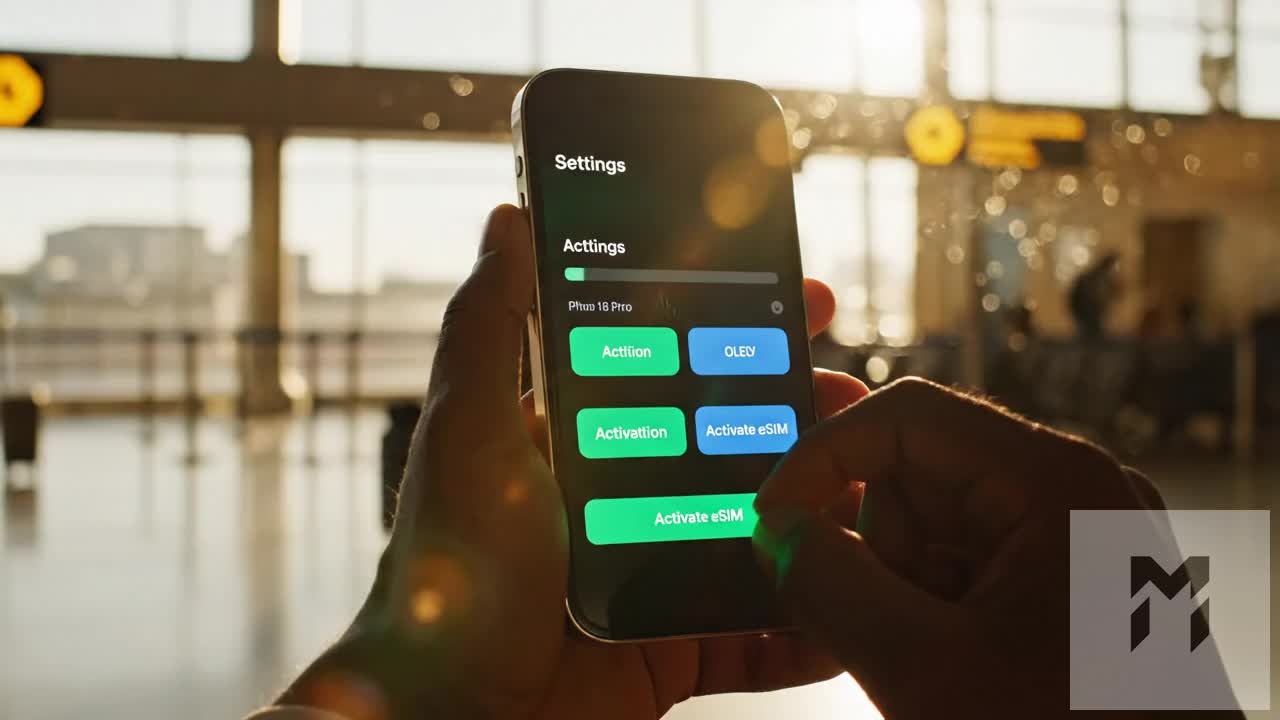
Beyond Adventure: The Ultimate 2026 New Zealand Travel eSIM Guide
The Essential Companion: Why an eSIM is Your Best Bet for New Zealand Travel
New Zealand, or Aotearoa, is a land of unparalleled natural beauty and diverse experiences, a dream destination for travelers worldwide. From the dramatic fiords of Milford Sound and the volcanic landscapes of Tongariro National Park to the pristine beaches of the Coromandel Peninsula and the vibrant, cosmopolitan energy of cities like Auckland and Wellington, the country offers an incredible spectrum of adventures. Yet, amidst the excitement of planning such an epic journey, a common modern-day hurdle often emerges: reliable and affordable international connectivity.
Navigating the Connectivity Conundrum: Traditional Challenges
For decades, international travel has presented a familiar set of challenges when it comes to staying connected. The most dreaded is often the specter of exorbitant international roaming charges. Many travelers have returned home only to be greeted by a bill shock, a stark reminder that their home network's "convenience" came at an astronomical price. This fear often leads to a self-imposed digital blackout, limiting access to essential navigation, communication, and information services.
The traditional alternative, purchasing a local physical SIM card, presents its own set of inconveniences. This typically involves locating a vendor upon arrival, often after a long and tiring flight, navigating unfamiliar sales processes, and the fiddly, sometimes frustrating process of swapping tiny plastic cards. There's the risk of losing your original SIM card, the uncertainty of finding an open store at odd hours, or the confusion of deciphering local data plans in a foreign language. These logistical hurdles can detract from the initial excitement of arriving in a new country, turning what should be a seamless transition into an unnecessary stress point.
Enter the eSIM: A Digital Revolution for Travelers
This is where eSIM technology emerges as the quintessential modern solution, elegantly addressing the shortcomings of its predecessors. An eSIM, or embedded SIM, is a digital SIM card that's built directly into your compatible smartphone or device. This revolutionary approach eliminates the need for any physical card swapping whatsoever. Instead, your connectivity profile is downloaded and activated digitally, transforming the entire process into a seamless, pre-arrival task.
The benefits are immediate and profound. Imagine landing in Auckland, already connected, without having to queue at a kiosk or fumble with a paperclip to open your phone's SIM tray. Activation is typically a matter of scanning a QR code or entering a few details, often completed before you even depart your home country. Furthermore, the ability to store multiple eSIM profiles on a single device means you can effortlessly switch between your home plan and your travel plan with a few taps, maintaining your primary number for important calls while leveraging local data rates. It's digital convenience personified, offering unparalleled flexibility and peace of mind.
MollySIM: Your Premier Connectivity Partner for Aotearoa
For travelers heading to New Zealand, a premium provider like MollySIM (https://mollysim.com) stands out as a particularly astute choice. MollySIM is specifically tailored to the unique connectivity needs of visitors to Aotearoa, leveraging robust local networks to deliver seamless, high-speed connectivity across the islands. This ensures you're connected whether you're exploring the bustling streets of Queenstown or venturing into the more remote, breathtaking landscapes.
A key differentiator for MollySIM is its generous Fair Use Policy (FUP) speed limit of 384kbps once your high-speed data allowance is consumed. This is a crucial detail, as it's three times faster than the industry standard of 128kbps often offered by competitors. This elevated speed ensures that even on FUP, essential services like Google Maps navigation, Apple Pay transactions, instant messaging, and light web browsing continue to function smoothly, preventing frustrating slowdowns when you need them most. You won't be left stranded trying to load directions or make a payment, a common frustration with slower FUP speeds.
Connectivity Beyond the Trail: Enhancing Every Journey
Reliable connectivity in New Zealand isn't just a luxury for the digitally dependent; it's an essential tool that enhances every facet of your journey, extending far "beyond adventure" in the traditional sense. Whether you're an urban explorer navigating the laneways of Christchurch, a cultural enthusiast researching Māori traditions in Rotorua, a scenic road-tripper charting a course through the Southern Alps, or a moderate adventurer checking weather forecasts for a day hike, an eSIM ensures you're always connected.
It means effortless navigation through unfamiliar cities and remote landscapes, instant communication with loved ones or emergency services, and the ability to share breathtaking moments in real-time across your social media channels. From checking opening hours for a vineyard tour to booking last-minute accommodation or translating a menu, your eSIM transforms potential logistical headaches into smooth, integrated experiences. An eSIM isn't just about getting online; it's about empowering your entire New Zealand adventure, making it safer, more enjoyable, and truly unforgettable.
Decoding Aotearoa's Digital Backbone: New Zealand's Mobile Network Landscape
🌐 Global Travel High-Speed Travel eSIM & SIM Plans
Instant QR code activation, hotspot enabled, with guaranteed 384kbps fallback speed to keep Maps & Digital Wallets active.
Navigating New Zealand's stunning landscapes requires more than just a map; it demands a robust digital connection. Understanding the country's mobile network infrastructure is crucial for any traveler, as it directly impacts your ability to stay connected, navigate, and share your experiences. New Zealand is served by three primary mobile network operators: Spark, Vodafone (now rebranded as One NZ), and 2degrees. Each boasts a significant footprint, but their strengths and weaknesses vary, particularly when venturing off the beaten path. MollySIM strategically partners with these leading local networks to ensure travelers benefit from the best available coverage without the complexity of choosing between providers.
The Big Three: Spark, Vodafone (One NZ), and 2degrees
Spark: The Rural Reach Champion
Spark holds a substantial share of the New Zealand mobile market and is often lauded for its extensive 4G coverage, particularly in rural and regional areas. While its 5G network is rapidly expanding across major cities and key towns, Spark's legacy strength lies in its commitment to connecting more remote communities. This makes it a formidable player for travelers exploring beyond urban centers. However, even with Spark's broad reach, deep valleys, dense forests, and high mountain passes can still present connectivity challenges.
Vodafone (One NZ): Urban Powerhouse and 5G Innovator
Vodafone, recently rebranded as One NZ, is another dominant force in the New Zealand telecommunications sector. It offers strong 4G coverage across the country, with a particular emphasis on urban centers and popular tourist destinations. One NZ has been aggressive in its 5G rollout, often competing head-to-head with Spark for the fastest and most widespread next-generation network in cities like Auckland, Wellington, and Christchurch. While its coverage is excellent in populated areas, similar to Spark, very remote or geographically challenging locations can still be signal blackspots.
2degrees: The Growing Challenger
2degrees is the third major player, known for its competitive data plans and a rapidly expanding network. While historically having a smaller footprint, 2degrees has significantly invested in its 4G infrastructure, providing reliable coverage in most populated areas, along main highways, and in many regional towns. Its 5G network is also growing, though it generally trails Spark and One NZ in terms of scale. For travelers sticking to major routes and urban areas, 2degrees offers a solid and often cost-effective option.
Geographical Coverage: From Cityscapes to Wilderness
New Zealand's diverse geography means mobile coverage isn't uniform.
- Major Cities (Auckland, Wellington, Christchurch): Expect excellent 4G and rapidly expanding 5G coverage from all three operators. You'll enjoy seamless connectivity for navigation, streaming, and communication without issue.
- Popular Tourist Regions: Areas like Queenstown, Rotorua, Taupo, Coromandel, and the Bay of Islands generally boast very good 4G coverage from all major providers. 5G is increasingly available in the main hubs of these regions. You'll typically have strong signals in towns, along main tourist routes, and at popular attractions.
- Fiordland (Milford Sound/Te Anau): While Te Anau generally has good coverage, the journey to and the destination of Milford Sound itself are notorious for limited to no signal. The dramatic mountainous terrain often blocks signals, and travelers should anticipate periods of disconnection on the Milford Road and at the Sound. Downloading offline maps and essential information beforehand is highly recommended.
- Remote Areas, National Parks, and Mountain Passes: This is where the limitations of even the most robust networks become apparent. Vast stretches of national parks (e.g., parts of Tongariro, Westland Tai Poutini), deep valleys, dense forests, and high mountain passes will often have little to no mobile signal. This includes specific areas along the scenic West Coast or certain backcountry trails. It's crucial to manage expectations and prepare for periods without connectivity when venturing into these truly wild parts of Aotearoa.
MollySIM's Strategic Network Partnerships
Understanding these nuances, MollySIM eliminates the guesswork for travelers. Instead of requiring you to research and choose a local provider, MollySIM strategically partners with these robust local networks. This means your MollySIM eSIM automatically connects to the strongest available network at your current location, leveraging the combined strengths of Spark, One NZ, and 2degrees. This intelligent network selection ensures you benefit from the widest possible coverage across New Zealand, from the bustling streets of Auckland to the scenic routes of the South Island.
Furthermore, even in areas where signal strength might fluctuate or speeds are throttled due to a Fair Use Policy, MollySIM's superior 384kbps FUP speed limit (three times faster than many competitors' 128kbps) ensures that essential services like Google Maps navigation, Apple Pay transactions, and instant messaging continue to function smoothly. This critical difference prevents frustrating slowdowns when you need connectivity most, ensuring your journey remains seamless and secure, even when speeds aren't at their peak.
New Zealand Mobile Network Operators Comparison
| Operator Name | Primary Network Type | General Coverage Strength | Key Differentiating Features | How MollySIM Utilizes |
|---|---|---|---|---|
| Spark | 4G/5G | Excellent in cities, widest 4G rural reach, good in tourist areas. Limited in deep remote. | Widest 4G rural footprint, strong 5G presence, extensive public Wi-Fi hotspots. | Primary network partner for comprehensive coverage, especially in remote regions and main highways. |
| Vodafone (One NZ) | 4G/5G | Excellent in cities, strong in tourist areas, good along main routes. Limited in deep remote. | Robust 5G expansion, strong urban coverage, competitive data offerings, international roaming strength. | Key network partner, ensuring strong urban and major tourist route connectivity and high-speed access. |
| 2degrees | 4G/5G | Good in cities and populated areas, improving in regional centers. More limited in very remote. | Competitive pricing, growing 5G network, strong customer focus, innovative plans. | Strategic network partner, enhancing coverage in populated areas and offering network redundancy for optimal performance. |
MollySIM Unpacked: Seamless Connectivity & The Power of Continuous Data in NZ
Navigating New Zealand's breathtaking landscapes requires more than just a sense of adventure; it demands reliable connectivity. This is where MollySIM (https://mollysim.com) steps in, offering a robust, convenient, and cost-effective solution designed specifically for the modern traveler. MollySIM's value proposition is built on providing seamless access to New Zealand's leading mobile networks, ensuring you stay connected whether you're exploring the vibrant streets of Auckland or the serene fjords of Milford Sound. By leveraging a multi-network strategy, MollySIM guarantees optimal coverage, minimizing dead zones and maximizing your travel experience.
Your Journey with MollySIM: From Purchase to Activation
Getting connected with MollySIM is designed to be straightforward and entirely digital, eliminating the need for physical SIM cards or hunting down local stores upon arrival.
1. Purchasing Your MollySIM eSIM Plan
The process begins online, offering ultimate convenience:
- Visit MollySIM.com: Navigate to the New Zealand eSIM section on the MollySIM website.
- Select Your Ideal Plan: Browse a range of data plans tailored to different travel durations and data needs. Options typically vary by data volume (e.g., 1GB, 5GB, 10GB, or even unlimited high-speed data options) and validity periods (e.g., 7, 15, or 30 days).
- Secure Checkout: Complete your purchase through a secure online payment gateway.
- Instant Delivery: Almost immediately after purchase, you'll receive an email containing your eSIM QR code and manual installation details.
2. Installing Your eSIM Profile
Installing your MollySIM eSIM is a quick, one-time setup that can be done before you even leave home, ensuring you're ready to connect the moment you land.
- General Principle: Most modern smartphones support eSIM installation via scanning a QR code or manually entering provided details. Ensure you have a stable Wi-Fi connection during installation.
- For iOS Devices (iPhone):
- Go to Settings > Cellular or Mobile Data.
- Tap Add eSIM or Add Data Plan.
- Choose Use QR Code and scan the QR code provided in your MollySIM email. Alternatively, select Enter Details Manually and input the SM-DP+ Address and Activation Code.
- Follow the prompts to label your new eSIM (e.g., "MollySIM NZ") and set it as your primary line for mobile data. You can choose to keep your existing physical SIM for calls and SMS if desired.
- For Android Devices:
- Go to Settings > Network & Internet or Connections.
- Tap SIMs or SIM card manager.
- Select Add eSIM or Download a SIM.
- Choose Scan QR code and scan the QR code from your MollySIM email. If scanning isn't an option, select Enter it manually and input the provided details.
- Label your eSIM (e.g., "MollySIM NZ") and enable it for mobile data.
3. Activating Your Service Upon Arrival
Once you land in New Zealand, activating your MollySIM service is simple:
- Enable eSIM: Ensure your "MollySIM NZ" eSIM is turned on and selected for mobile data in your phone's settings.
- Enable Data Roaming (for eSIM): Crucially, you must enable Data Roaming for your MollySIM eSIM. While this might sound like traditional roaming, it's a necessary setting for eSIMs that operate on partner networks (like MollySIM does with Spark, Vodafone, and 2degrees in NZ). Rest assured, you will not incur additional roaming charges from MollySIM; your data usage will simply deduct from your purchased plan.
- Connect Automatically: Your device will automatically connect to the strongest available MollySIM partner network, providing instant connectivity.
Flexible Data Plans & Seamless Top-Ups
MollySIM understands that travel plans can change. That's why it offers a range of data plans to suit various needs, from light browsing to heavy streaming. Should your adventures extend or your data consumption exceed expectations, MollySIM provides easy options to top up or extend your existing plan directly through their online portal. This flexibility ensures you're never left without connectivity, offering peace of mind throughout your journey.
The Power of Continuous Data: MollySIM's 384kbps Fair Usage Policy (FUP)
One of MollySIM's most significant advantages, and a critical safety net for travelers in New Zealand, is its Fair Usage Policy (FUP). Unlike many providers who simply cut off your data once your high-speed allowance is exhausted, MollySIM ensures you maintain essential connectivity at a reduced speed.
What is FUP?
A Fair Usage Policy, in this context, means that after you've consumed your allocated high-speed data, your internet speed will be throttled to a lower, but still functional, rate rather than being completely disconnected.
MollySIM's Edge: A Game-Changing 384kbps
MollySIM stands out by offering a FUP speed limit of 384kbps. This is a crucial differentiator, as it's 3x faster than the typical 128kbps offered by many competitors. This seemingly small difference in speed has a profound impact on what you can actually accomplish online, especially in critical situations.
What 384kbps Realistically Allows You To Do:
Even after your high-speed data runs out, MollySIM's 384kbps FUP ensures you remain functional for essential tasks:
- Messaging Apps: Send and receive text messages via WhatsApp, Messenger, iMessage, and other chat applications. While large media attachments might be slow or fail, text-based communication remains reliable.
- Basic Email Checking: Access your inbox, send and receive text-heavy emails, and manage urgent communications.
- Light Web Browsing: Load text-heavy websites like news articles, blogs, or basic travel information pages. Image-heavy sites will load slower, but essential information is still accessible.
- Continuous Google Maps/Apple Maps Navigation: This is where the 384kbps speed truly shines. Unlike 128kbps, which often struggles with real-time map updates, 384kbps allows Google Maps and Apple Maps to work smoothly for continuous navigation, even with live traffic updates. This is invaluable when exploring unfamiliar routes or in remote areas. Pre-downloading maps further enhances this experience.
- Essential App Functionality: Basic functions of apps like weather updates, banking apps (for quick checks), or translation tools will generally work.
- Apple Pay/Google Pay: Crucially, 384kbps is sufficient for these mobile payment services to function for transactions, ensuring you can still make purchases even without high-speed data.
- Emergency Communication: The most vital benefit. In New Zealand's diverse and sometimes remote landscapes, being able to send an emergency text, check your location on a map, or access emergency contact numbers is a critical safety net. MollySIM ensures you're never truly cut off from the ability to seek help or communicate your status.
Why This Continuous Connectivity is Invaluable in New Zealand
New Zealand's allure lies in its vast, untamed beauty, which often means venturing into areas with limited infrastructure. From hiking trails in national parks to scenic drives through remote valleys, unexpected situations can arise. A flat tire, a wrong turn, or simply needing to confirm booking details in an area with patchy signal can quickly become stressful if your data is completely cut off.
MollySIM's 384kbps FUP acts as an indispensable safety net, providing peace of mind. While other providers might leave you stranded with no connectivity, MollySIM ensures you always have the ability to navigate, communicate, and access essential information. This continuous essential connectivity is not just a convenience; it's a critical safety feature that empowers you to explore New Zealand with greater confidence and security.
Navigating Aotearoa Digitally: Practical Tips for Data Usage, Safety & Exploration
Exploring New Zealand's breathtaking landscapes is an experience best enjoyed with the peace of mind that reliable connectivity provides. Your MollySIM eSIM is a powerful tool, but understanding how to optimize its usage will significantly enhance your journey through Aotearoa. From conserving data to ensuring your safety in remote areas, these practical tips will help you make the most of your digital companion.
Optimizing Your Data Usage for Extended Exploration
Even with generous data allowances, smart data management is key to ensuring you stay connected throughout your trip, especially when venturing off the beaten path.
- Leverage Free Wi-Fi Hotspots: New Zealand offers abundant free Wi-Fi. Make it a habit to connect whenever available at:
- Accommodations: Hotels, hostels, and holiday parks almost universally provide guest Wi-Fi.
- Cafes and Restaurants: Many establishments offer free Wi-Fi to patrons.
- Public Libraries and Information Centers: Excellent resources for stable, free internet access.
- Major Airports and Public Transport Hubs: Often provide limited free Wi-Fi sessions.
Use these opportunities to download large files, update apps, or upload photos and videos, preserving your eSIM data.
- Manage Background App Refresh: Many apps consume data even when not actively in use. Go into your phone's settings (iOS: Settings > General > Background App Refresh; Android: Settings > Network & internet > Data Saver or individual app settings) and disable background refresh for non-essential applications.
- Adjust Streaming Quality: If you plan to stream music or videos, lower the quality settings in apps like Spotify, YouTube, or Netflix. Standard definition uses significantly less data than high definition. Better yet, download your entertainment offline before you leave your accommodation.
- Download Offline Content: This is perhaps the most critical data-saving tip for New Zealand. Before heading into national parks or remote scenic drives:
- Offline Maps: Download entire regions or specific routes on Google Maps or Apple Maps. This ensures you have navigation even without a signal. Your MollySIM eSIM will still provide real-time location tracking via GPS, even if data is exhausted, and the 384kbps Fair Use Policy (FUP) speed limit is more than sufficient for basic map loading and turn-by-turn directions if you need to access live data.
- Music and Podcasts: Download playlists and podcast episodes to enjoy offline during long drives or hikes.
- E-books and Travel Guides: Have digital copies readily available without needing an internet connection.
Seamless Navigation with Your eSIM
Your MollySIM eSIM is an indispensable tool for navigating New Zealand's diverse terrain. GPS navigation apps like Google Maps and Apple Maps function exceptionally well with an active eSIM.
- Real-time Directions: Benefit from live traffic updates, estimated arrival times, and turn-by-turn directions as you explore cities and highways.
- Offline Map Integration: As mentioned, downloading offline maps is crucial. Even if you lose primary data signal in a remote valley, your phone's GPS will still pinpoint your location on the downloaded map. Should you need to search for a new destination or re-route, MollySIM's industry-leading 384kbps FUP speed (which is 3x faster than competitors' typical 128kbps) ensures that basic map data can still load and directions can be updated, preventing you from being truly stranded. This speed is specifically designed to keep essential services like navigation and even mobile payments (Apple Pay/Google Pay) functional.
Emergency Preparedness and Communication
Safety is paramount when traveling, especially in a country known for its adventure activities and vast wilderness. Your eSIM plays a critical role in emergency preparedness.
- Accessing Emergency Services: In New Zealand, the emergency number is 111 for Police, Fire, and Ambulance. Rest assured, your MollySIM eSIM will function for emergency calls as long as any local network signal is available. MollySIM leverages New Zealand's robust local networks, ensuring you have the best possible chance of connecting in an emergency. Even if your data plan is fully utilized and you're operating on the FUP speed, emergency calls are always prioritized.
- Critical Communication: Beyond 111, your eSIM provides a vital lifeline for contacting tour operators, accommodation providers, or family members in case of unexpected delays or changes.
Staying Connected and Sharing Your Journey
New Zealand offers countless photo opportunities. Your MollySIM eSIM ensures you can capture and share these moments instantly.
- Instant Photo & Video Sharing: Upload your stunning photos and videos of Milford Sound, Queenstown, or the Tongariro Crossing to social media or cloud storage in real-time.
- Connecting with Loved Ones: Stay in touch with family and friends via messaging apps, video calls (adjust quality for FUP speeds), and social media updates, sharing your incredible experiences as they happen.
Streamlining Travel Logistics
Beyond navigation and communication, your eSIM facilitates seamless management of your travel itinerary.
- Booking and Confirmations: Easily book last-minute accommodations, check ferry schedules (e.g., Interislander or Bluebridge), confirm tour times, or purchase tickets for attractions directly from your phone.
- Accessing Online Resources: Check real-time weather forecasts, track Department of Conservation (DOC) alerts for hiking trails, or find local recommendations for dining and activities.
Ensuring Digital Security
While convenience is key, digital security should never be overlooked.
- Caution on Public Wi-Fi: While useful, public Wi-Fi networks can be less secure. Avoid conducting sensitive transactions like online banking or entering personal information when connected to unencrypted public networks.
- Consider VPN Usage: For an added layer of security, especially when using public Wi-Fi, consider using a Virtual Private Network (VPN). A VPN encrypts your internet traffic, protecting your data from potential eavesdroppers and ensuring your sensitive transactions remain private.
Beyond the Cities: Connectivity in New Zealand's Wilds & Remote Regions
While New Zealand offers world-class mobile connectivity in its urban centers and major tourist hubs, it's crucial for travelers to understand the nuanced reality of staying connected in its vast and often breathtakingly remote landscapes. The "Land of the Long White Cloud" is renowned for its pristine wilderness, from the deep fjords of Fiordland to the rugged peaks of the Southern Alps and countless isolated beaches and hiking trails. In these areas, even the most robust local networks can struggle to provide a consistent signal.
The Nuance of Remote Signal Availability
It's an honest truth that there will be stretches of your New Zealand adventure where your phone might display "No Service." This is particularly true when venturing deep into national parks like Fiordland National Park, navigating certain mountain passes in the Southern Alps, exploring isolated coastal areas on the West Coast, or embarking on multi-day tramps (hikes) in less-traveled backcountry regions. These are not network failures but rather a geographical reality in a country where conservation and natural beauty often take precedence over ubiquitous cellular infrastructure. Understanding this upfront allows for better planning and a safer, more enjoyable experience.
Proactive Preparedness for Off-Grid Adventures
Anticipating potential signal blackouts is a key aspect of responsible and safe travel in New Zealand's wilderness. Proactive preparation can significantly enhance both your safety and enjoyment:
- Download Comprehensive Offline Maps: Before heading into remote areas, download detailed maps of your intended route and surrounding regions using apps like Google Maps, Apple Maps, or dedicated hiking apps (e.g., AllTrails, NZ Topo Map). This ensures you can navigate effectively even without an internet connection, preventing disorientation in unfamiliar terrain.
- Inform Your Network: Always share your detailed itinerary, including expected routes, accommodation, and return times, with friends or family. Establish a check-in schedule, especially if you're undertaking solo excursions or venturing into areas with known limited connectivity.
- Carry Physical Maps and Compass: For serious backcountry tramping or multi-day hikes, traditional navigation tools are indispensable. Electronic devices can run out of battery, get damaged, or fail in extreme conditions. A physical map and compass serve as a reliable backup.
- Emergency Communication Devices: For extreme wilderness excursions, such as multi-day backcountry tramping in areas known for zero cellular coverage, consider carrying specialized emergency communication devices. These include Personal Locator Beacons (PLBs) or satellite phones. PLBs transmit an emergency signal to rescue services, while satellite phones allow for voice calls and text messages from virtually anywhere on Earth. It's important to clarify that these are distinct from eSIMs and cater to a niche audience undertaking truly off-grid, high-risk adventures, providing a last resort for communication.
MollySIM's Fair Use Policy: A Crucial Safety Net
Even in areas with weak or intermittent signal, your MollySIM (https://mollysim.com) eSIM offers a significant advantage through its robust Fair Use Policy (FUP). Should your high-speed data allowance be exhausted, or if you find yourself in an area where only a low-bandwidth connection is possible, MollySIM's FUP kicks in at a generous 384kbps.
This 384kbps speed is a critical differentiator, being 3x faster than the 128kbps offered by many competitor eSIMs. While it won't support high-definition video streaming, this speed is more than sufficient for vital low-bandwidth messaging applications (e.g., WhatsApp, iMessage, SMS over data), sending an "I'm okay" message, or even basic email communication. Crucially, 384kbps can still enable essential functions like loading basic Google Maps directions or facilitating Apple Pay/Google Pay transactions in areas with some signal, providing a crucial safety net for communication and basic utility in an emergency or simply for staying minimally connected. This means that even when high-speed data is a luxury, critical communication remains a possibility where a signal, however faint, exists.
Leveraging Local Carrier Coverage Maps
To gain the most accurate understanding of signal predictions for your specific itinerary, especially if planning extensive off-grid travel, we highly recommend consulting the official coverage maps of New Zealand's primary local carriers: Spark, Vodafone, and 2degrees. Since MollySIM operates on these underlying networks, their maps will provide the most detailed and up-to-date information on signal availability in specific regions, helping you plan your connectivity strategy effectively. While MollySIM effectively covers the vast majority of popular tourist routes and accessible wilderness areas, these maps are invaluable for pinpointing potential dead zones in truly remote locations.
By understanding these connectivity nuances and preparing accordingly, you can fully embrace the unparalleled natural beauty of New Zealand's wilds, confident in your ability to manage communication and safety, even when venturing far beyond the reach of city lights.
Maximizing Your MollySIM Experience: Before You Go, While You're There & Beyond
To truly unlock the full potential of your New Zealand adventure with seamless connectivity, a little preparation and understanding go a long way. MollySIM is designed for effortless global travel, but optimizing its use ensures you stay connected, safe, and stress-free from the moment you land until you depart.
Pre-Departure Checklist: Setting Up for Success
Before you even pack your bags, a few crucial steps will guarantee your MollySIM eSIM is ready to perform flawlessly in New Zealand.
1. Ensure Device Compatibility
The first and most critical step is confirming your smartphone or tablet supports eSIM technology. Most modern devices released in the last few years are compatible.
- Apple: iPhone XS, XR, 11, 12, 13, 14, 15 series and newer. Also, iPad Pro (11-inch, 3rd gen and newer), iPad Air (3rd gen and newer), iPad (7th gen and newer), iPad Mini (5th gen and newer).
- Samsung: Galaxy S20, S21, S22, S23, S24 series; Galaxy Note 20 series; Galaxy Fold and Flip series (all generations).
- Google: Pixel 3a, 4, 5, 6, 7, 8 series and newer.
- Other Manufacturers: Many newer models from Huawei, Motorola, Sony, and others also support eSIM.
Action: Always verify your specific device model's specifications or consult your manufacturer's website to confirm eSIM support.
2. Purchase and Install Your eSIM Well in Advance
Don't wait until you're at the airport to set up your connectivity.
- Purchase: Visit MollySIM.com and select your desired New Zealand data plan. You'll receive your eSIM QR code or manual activation details via email almost instantly.
- Installation: Install your MollySIM eSIM while you still have a stable Wi-Fi connection at home. This typically involves scanning a QR code via your phone's settings (e.g., on iOS: Settings > Cellular/Mobile Data > Add eSIM; on Android: Settings > Network & internet > SIMs > Add eSIM). Follow the on-screen prompts.
- Activation: Most MollySIM plans activate only upon connecting to a supported network in New Zealand, so installing it early won't start your validity period prematurely. This gives you peace of mind that it's ready to go.
3. Understand Your Chosen Data Plan's Specifics
Familiarize yourself with the details of your MollySIM plan:
- Data Allowance: Know how much high-speed data you have.
- Validity Period: Be aware of how many days your plan is active from its activation.
- Fair Use Policy: Remember MollySIM's industry-leading 384kbps Fair Use Policy speed limit after high-speed data is consumed. This speed is crucial, being 3x faster than many competitors' 128kbps, and specifically designed to keep essential services like loading basic Google Maps directions and facilitating Apple Pay/Google Pay transactions functional, even when you've used up your primary data.
4. Crucially, Turn Off Data Roaming for Your Physical SIM
This step is vital to avoid exorbitant roaming charges from your home carrier.
- iOS: Go to Settings > Cellular/Mobile Data > Cellular Data Options, then toggle off "Data Roaming" for your primary/physical SIM. Ensure your MollySIM eSIM is selected for "Cellular Data."
- Android: Go to Settings > Network & internet > SIMs, select your physical SIM, and toggle off "Roaming." Then, ensure your MollySIM eSIM is set as your preferred SIM for "Mobile data."
While You're There: Seamless Connectivity in Aotearoa
Once you've landed in New Zealand, your MollySIM eSIM will automatically connect to one of the local partner networks (Spark, Vodafone, or 2degrees). Here's how to manage your connectivity effectively.
1. Monitor Your Data Usage Effectively
Stay on top of your data consumption to avoid unexpected slowdowns.
- On Your Phone:
- iOS: Settings > Cellular/Mobile Data. Scroll down to see data usage per app and overall.
- Android: Settings > Network & internet > SIMs > [Your MollySIM eSIM] > App data usage.
- MollySIM Portal: For the most accurate and real-time tracking, log into your MollySIM account portal on MollySIM.com. This dashboard provides a clear overview of your remaining data and plan validity.
2. Topping Up Data or Extending Your Plan
Should your adventure extend or your data needs increase, topping up is simple.
- Process: Log into your MollySIM account on MollySIM.com. You'll find options to purchase additional data bundles or extend your plan's validity directly from your dashboard.
- Proactive Approach: We recommend topping up before you completely run out of high-speed data to ensure uninterrupted service, especially if you're relying on that 384kbps Fair Use Policy speed for navigation or payments.
3. Troubleshooting Common Connectivity Issues
While MollySIM is highly reliable, occasional issues can arise. Here's how to troubleshoot:
- "No Service" or "Limited Service":
- Check Signal: Are you in a very remote area? Refer back to local carrier coverage maps (Spark, Vodafone, 2degrees) for expected signal.
- Restart Device: A simple restart often resolves temporary network glitches.
- Ensure eSIM is Active: Go to your phone's cellular settings and confirm your MollySIM profile is enabled.
- "Data Not Working" (even with signal):
- Verify APN Settings: While usually automatic, sometimes manual verification helps. For MollySIM, the APN is typically
internet. You can usually find this under your eSIM's settings (e.g., iOS: Settings > Cellular/Mobile Data > [MollySIM eSIM] > Cellular Data Network; Android: Settings > Network & internet > SIMs > [MollySIM eSIM] > Access Point Names). - Enable Data Roaming for eSIM: Crucially, ensure "Data Roaming" is enabled for your MollySIM eSIM profile (as MollySIM operates via roaming agreements with local carriers). This is different from your physical SIM.
- Toggle Airplane Mode: Turn Airplane Mode on for 30 seconds, then off. This often forces a reconnection to the network.
- Confirm Correct eSIM Profile: Ensure your MollySIM eSIM is selected as the primary SIM for "Cellular Data" in your phone's settings.
4. Accessing MollySIM Customer Support
Should you encounter issues you can't resolve, MollySIM's dedicated support team is ready to assist.
- Channels: Access support via the live chat feature on MollySIM.com, or through email support.
- Preparation: Have your MollySIM order number and device details ready for quicker assistance.
Beyond Your New Zealand Adventure
Even after you've returned home, there are a few post-trip considerations for your MollySIM eSIM.
1. Managing or Removing Your eSIM Profile
- Temporary Disable: If you plan to return to New Zealand or another MollySIM-supported destination soon, you can simply disable the eSIM profile in your phone's settings without deleting it.
- Permanent Removal: To free up space or declutter your eSIM profiles, you can permanently remove the MollySIM profile from your device. This is done via your phone's cellular settings (e.g., "Remove eSIM" or "Delete Data Plan").
2. Providing Feedback
Your experience is valuable. Consider providing feedback to MollySIM about your connectivity experience. This helps them continually refine and improve their services for future travelers.
3. Your Future Connectivity Partner
MollySIM aims to be your trusted partner for international connectivity. Remember the reliability and convenience you experienced in New Zealand, including the robust 384kbps Fair Use Policy speed that kept you connected for essentials like Google Maps and Apple Pay even after high-speed data was used.
Ready for a truly connected journey through New Zealand's breathtaking landscapes? Choose MollySIM for ultimate peace of mind and seamless connectivity. Visit MollySIM.com today to secure your New Zealand eSIM and embark on your worry-free adventure!
🌐 Global Travel High-Speed Travel eSIM & SIM Plans
Instant QR code activation, hotspot enabled, with guaranteed 384kbps fallback speed to keep Maps & Digital Wallets active.