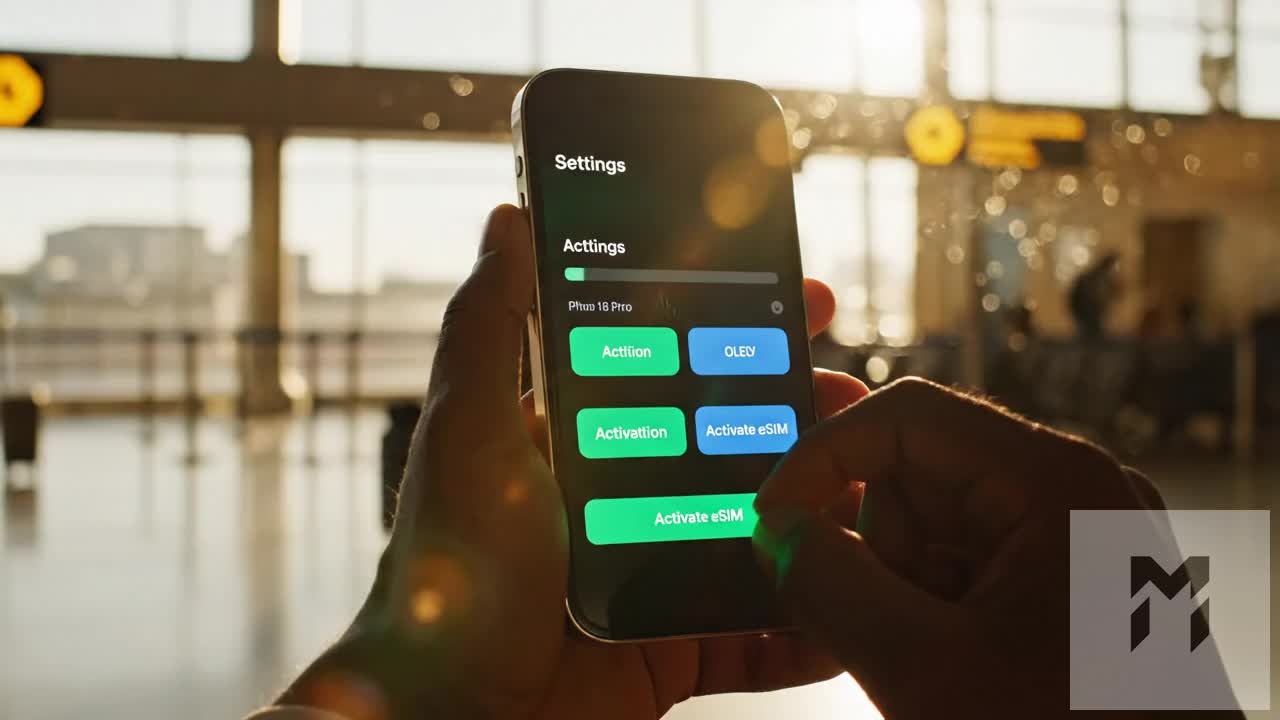
From Fiords to Mountains: The South Island's Call for Reliable Connectivity
New Zealand's South Island beckons with a landscape of unparalleled grandeur and rugged beauty. From the majestic, glacier-carved fiords of Milford Sound and Doubtful Sound in Fiordland National Park to the soaring, snow-capped peaks of the Southern Alps, including Aoraki/Mount Cook, its natural wonders are truly world-class. The wild, untamed West Coast, with its ancient rainforests and dramatic coastlines, contrasts sharply with the golden plains of Canterbury and the pristine lakes of Otago. Across its vast expanse, numerous national parks like Abel Tasman, Kahurangi, and Westland Tai Poutini offer endless opportunities for adventure, from multi-day hikes and thrilling jet boat rides to glacier explorations and stargazing.
However, this very beauty and remoteness present significant, often underestimated, challenges for mobile connectivity. Unlike urban centers, the South Island's topography actively works against consistent cellular service. The deep, sheer-sided fiords create natural signal black holes, isolating travelers within their breathtaking confines. The towering ranges of the Southern Alps act as impenetrable barriers, blocking signals and creating vast "dead zones" in valleys and mountain passes. Even outside these extreme environments, the sheer vastness of remote national parks and the long stretches of road between small towns often lie far beyond the reach of traditional cell towers, leaving travelers without any connection for hours. Relying solely on a physical SIM card from a single provider can quickly become a gamble, potentially leaving you stranded without service precisely when you need it most.
In such an environment, reliable connectivity transcends mere convenience; it becomes a critical, non-negotiable aspect of traveler safety and peace of mind. Imagine navigating winding mountain roads or embarking on a remote hike. The ability to make emergency calls (111), even with limited signal, is paramount. Accessing real-time weather updates is crucial, as conditions in the South Island can change dramatically and rapidly, impacting everything from road closures to hiking safety. Checking Department of Conservation (DOC) alerts for trail conditions, track closures, or avalanche warnings can be the difference between a safe adventure and a dangerous misstep. Furthermore, reliable service is essential for navigation, allowing you to use GPS, download offline maps, and adjust routes on the fly, especially when venturing off the main highways. For those engaging in adventure sports, multi-day hikes, or remote road trips, maintaining contact with loved ones isn't just about sharing experiences; it's about providing reassurance and having a lifeline in unforeseen circumstances.
This is where eSIM technology emerges as the modern, flexible, and robust solution to the South Island's connectivity woes. By eliminating the need for physical SIM cards and allowing seamless switching between local networks (where available), eSIMs offer unparalleled convenience and adaptability. They empower travelers to secure a reliable data connection before even landing, ensuring they are connected from the moment they arrive.
For the ultimate South Island adventure, MollySIM (https://mollysim.com) stands out as the tailored answer. Understanding the unique demands of this rugged landscape, MollySIM offers a crucial advantage that directly impacts your experience: a 384kbps Fair Use Policy speed limit. This is a significant improvement, being 3x faster than many competitors' 128kbps limits. What does this mean in practical terms for a South Island explorer? It ensures that essential services like Google Maps navigation remain smooth and responsive, allowing you to confidently find your way through remote areas. It means Apple Pay transactions work reliably when you stop for supplies in a small town. Crucially, it ensures that critical communication apps and safety features function effectively, providing the reliable connection you need to stay safe, informed, and in touch, even amidst the South Island's most challenging and breathtaking terrain.
Navigating New Zealand's Mobile Landscape: Local Carriers & The eSIM Advantage
🌐 Global Travel High-Speed Travel eSIM & SIM Plans
Instant QR code activation, hotspot enabled, with guaranteed 384kbps fallback speed to keep Maps & Digital Wallets active.
New Zealand's South Island, with its dramatic landscapes ranging from glacial fiords to towering Southern Alps, presents a unique challenge for mobile connectivity. While the country boasts a modern telecommunications infrastructure, the sheer remoteness and rugged topography mean that reliable signal isn't always a given, especially off the beaten path. Understanding the strengths and weaknesses of the local mobile network providers is crucial for any traveler.
New Zealand's Major Mobile Network Providers
Three primary mobile network operators dominate the New Zealand market, each with its own coverage profile:
- Spark: Historically, Spark has often held the advantage in terms of broader rural and remote coverage. This is partly due to its legacy as a former state-owned enterprise and its ongoing investment in infrastructure in less populated areas, including many national parks and scenic routes. While it offers excellent 4G and increasingly 5G services in towns and cities, its strength truly shines in areas where other networks might falter.
- Vodafone NZ: Now rebranded as One NZ, Vodafone (as it's still commonly known) typically excels in urban centers and popular tourist hubs. It offers robust 4G and 5G speeds in cities like Christchurch, Queenstown, and Dunedin, providing a strong experience for those staying within populated areas. However, its coverage can become more sporadic and less reliable as you venture into the South Island's more isolated regions.
- 2degrees: The newest entrant among the major players, 2degrees has aggressively expanded its network over the past decade. It provides strong coverage in most urban and semi-urban areas and continues to improve its reach into rural communities. While it offers competitive speeds and plans, it may still have more significant gaps in very remote or mountainous terrain compared to Spark's more established rural footprint.
The Limitations of a Single Carrier
Relying on a single mobile network provider while exploring the South Island's diverse terrain is akin to putting all your eggs in one basket. A specific carrier might offer excellent service in Queenstown but have a notorious dead zone just a few kilometers down a scenic highway, or completely lose signal in a particular valley or mountain pass. For an adventurer navigating remote hiking trails, planning spontaneous detours, or simply needing to confirm a booking in a small, isolated town, these coverage gaps can range from inconvenient to potentially unsafe. The dynamic nature of South Island travel demands a more adaptable connectivity solution.
The eSIM Advantage: Beyond Physical Limitations
This is precisely where eSIM technology revolutionizes the travel connectivity experience. Unlike traditional physical SIM cards, which require manual swapping and are tied to a single carrier, eSIMs are embedded digital SIMs that can be provisioned and activated remotely. This offers a host of benefits for the modern traveler:
- Ease of Purchase & Instant Activation: No more hunting for a local SIM card store at the airport or navigating foreign language instructions. eSIMs can be purchased online before you even depart and activated instantly upon arrival.
- Multiple Profiles: An eSIM-compatible device can store multiple eSIM profiles simultaneously, allowing you to switch between different local plans or your home plan with a few taps, without ever touching a physical card.
- No Physical Swapping: Say goodbye to tiny SIM ejector tools and the risk of losing your home SIM card. eSIMs are entirely digital, offering unparalleled convenience.
- Cost-Effectiveness: eSIM plans are often more competitive than expensive international roaming charges from your home provider, offering local rates without the hassle.
To illustrate the stark differences and superior advantages, consider the following comparison of connectivity options for your New Zealand journey:
| Feature/Option | Physical Local SIM | International Roaming | Local Pocket Wi-Fi | MollySIM eSIM (Intelligent Switching) |
|---|---|---|---|---|
| Acquisition | In-store/Airport | Automatic | Rental/Pickup | Online, Instant Delivery |
| Cost-Effectiveness | Moderate | Very High | Moderate (daily rental) | High |
| Flexibility | Single Carrier | Limited, High Cost | Shared Device | Multi-Carrier, Multiple Profiles |
| Coverage Reliability (Remote NZ) | Carrier Dependent | Often Poor, High Cost | Carrier Dependent | Optimal (Switches to Best Signal) |
| Data Speed | Local 4G/5G | Varies, often throttled | Local 4G/5G | Local 4G/5G |
| FUP/Fallback | Varies, often hard cut | Varies, very expensive | Varies | Reliable 384kbps (Sustained) |
| Device Compatibility | SIM Slot (Unlocked) | Any Phone | Separate Device | eSIM Compatible (Unlocked) |
| Convenience | Physical Swap | Seamless | Extra Device to Carry | Seamless, Digital |
MollySIM's Intelligent Switching: The Ultimate Advantage
The true power of an advanced eSIM like MollySIM (https://mollysim.com) for South Island exploration lies in its intelligent network switching capability. Unlike a standard local physical SIM or even many other eSIMs that lock you into a single network, MollySIM dynamically connects to the strongest available network among Spark, Vodafone NZ (One NZ), and 2degrees.
This means that as you traverse the varied landscapes of the South Island – from the bustling streets of Queenstown to the remote trails of Fiordland National Park, or the isolated coastal roads of the Catlins – your device automatically seeks out and connects to the carrier with the best signal at your precise location. If Spark has a strong signal where Vodafone doesn't, MollySIM connects to Spark. If you move into an area where 2degrees offers superior performance, it seamlessly switches. This eliminates the "single-carrier limitation" problem, providing unparalleled coverage reliability and ensuring you have the best possible signal wherever your adventure takes you.
Furthermore, MollySIM's commitment to a 384kbps Fair Use Policy speed limit is a game-changer, being 3x faster than many competitors' 128kbps limits. This isn't just a number; it translates directly into practical, real-world benefits. Even if your high-speed data allowance is exhausted, this sustained fallback speed ensures that essential services remain fully functional. You can confidently rely on Google Maps navigation to guide you through winding mountain passes, make secure Apple Pay transactions at a remote café, or use critical communication apps for safety and staying in touch. MollySIM ensures that your digital lifeline remains robust and reliable, providing peace of mind as you immerse yourself in the breathtaking beauty of the South Island.
MollySIM Unpacked: Your Intelligent Companion for South Island Adventures
Navigating the diverse and often remote landscapes of New Zealand's South Island demands a connectivity solution that's as robust and adaptable as your itinerary. MollySIM (https://mollysim.com) is engineered precisely for this challenge, offering a suite of technical advantages designed to provide unparalleled reliability and peace of mind, making it an intelligent companion for every South Island adventure.
Intelligent Network Switching: Seamless Connectivity, Everywhere
The cornerstone of MollySIM's superior performance in New Zealand is its Intelligent Network Switching capability. Unlike traditional eSIMs or local SIM cards that lock you into a single network provider, MollySIM's advanced profile continuously monitors and automatically connects your device to the strongest available signal from any of New Zealand's three primary mobile networks: Spark, Vodafone NZ (now One NZ), and 2degrees. This isn't merely having access to multiple networks; it's about dynamic, real-time optimization.
Imagine driving through the breathtaking but often signal-challenging Haast Pass, a critical link between the West Coast and Central Otago. One moment, Spark might offer the most stable connection in a particular valley; the next, as you ascend a mountain pass, Vodafone NZ could provide superior coverage. MollySIM seamlessly transitions your connection without any manual intervention, ensuring you remain connected when it matters most. Similarly, when exploring the rugged trails near Milford Sound or venturing to the remote beauty of Stewart Island, where single-carrier coverage is notoriously patchy, MollySIM maximizes your chances of maintaining a signal. This intelligent system effectively eliminates the "single-carrier limitation" problem, drastically reducing dead zones and providing a level of coverage reliability that is essential for both convenience and safety in the South Island's dynamic environments.
The 384kbps Fair Use Policy: Your Essential Safety Net
One of MollySIM's most significant differentiators, and a critical advantage for South Island travelers, is its 384kbps Fair Use Policy (FUP) speed limit after high-speed data is exhausted. This isn't just a number; it represents a functional and reliable fallback speed that is 3x faster than many competitors' 128kbps limits. This sustained speed ensures that your digital lifeline remains robust, even when your primary data allowance runs out.
What does 384kbps mean in practical, real-world terms for a traveler?
- Essential Navigation: Crucially, Google Maps navigation and Maps.me continue to function reliably. While map tiles might load slightly slower, turn-by-turn directions, location tracking, and route recalculations remain fully operational. This is a stark contrast to 128kbps speeds, which often struggle to load map data quickly enough for real-time navigation, potentially leaving you lost.
- Critical Communication: Sending and receiving text-based messages on apps like WhatsApp, iMessage, and Messenger remains seamless. You can send "I'm okay" messages to loved ones or coordinate with travel companions without delay. Basic email functions, particularly for text-only messages, are also fully supported.
- Safety & Information Access: This speed is sufficient for loading text-based web pages, allowing you to check vital DOC (Department of Conservation) alerts for trail closures, access basic weather updates before a hike, or quickly load emergency contact information.
- Secure Transactions: As mentioned, essential functions like making secure Apple Pay or Google Pay transactions at a remote café or shop remain viable, as these require minimal data packets.
- Basic Browsing: While not suitable for video streaming, you can still load text-heavy news articles, check social media feeds (with slower image loading), and access essential travel information online.
This sustained 384kbps connectivity acts as an invaluable safety net. Many other providers either cut off service completely after data limits are reached or throttle speeds to an almost unusable crawl (e.g., 64kbps or 128kbps), forcing expensive top-ups or leaving travelers without critical connectivity. MollySIM's commitment to this significantly higher fallback speed underscores its dedication to traveler safety and continuous peace of mind, ensuring you're never truly disconnected from vital services or emergency contacts.
Flexible Data Plans for Every Adventure
MollySIM understands that every South Island journey is unique. Whether you're embarking on a short, scenic road trip along the Otago Peninsula or planning an extended multi-week expedition through Fiordland and the Southern Alps, MollySIM offers a range of flexible data plans to suit various travel styles and data consumption needs. From smaller, cost-effective bundles perfect for light users or shorter stays to larger packages designed for heavy data users and extended adventures, you can select a plan that aligns perfectly with your itinerary. Should your data needs change mid-trip, transparent and easy top-up options are readily available, ensuring uninterrupted high-speed service whenever you need it. This adaptability, combined with its intelligent network switching and robust FUP, positions MollySIM as the ultimate connectivity partner for exploring the South Island's unparalleled beauty.
Seamless Setup: Device Compatibility & Activating Your MollySIM for New Zealand
Ensuring uninterrupted connectivity from the moment you land in New Zealand begins with a smooth setup of your MollySIM. This section provides a practical, step-by-step guide to confirm device compatibility, purchase your eSIM, and activate it effortlessly, guaranteeing you're ready to navigate the South Island's stunning landscapes without a hitch.
Confirming Device Compatibility: The First Crucial Step
Before purchasing your MollySIM, it's essential to verify that your smartphone supports eSIM technology and is unlocked from its home carrier. Most modern smartphones released in the last few years are eSIM compatible, but it's always best to double-check.
How to Check for eSIM Compatibility:
- For iOS Devices (iPhone): Navigate to
Settings > Cellular(orMobile Data). If you see an option like "Add eSIM" or "Add Data Plan," your device is compatible. Generally, iPhone XS, XR, and all newer models (including the 11, 12, 13, 14, and 15 series) support eSIM. - For Android Devices (Google Pixel, Samsung Galaxy, etc.): Go to
Settings > Network & internet > SIMs. Look for an option like "Add eSIM" or "Download a SIM." Common compatible models include Google Pixel 3 and newer, Samsung Galaxy S20, S21, S22, S23, S24 series, as well as their Fold and Flip variants. Other brands like Huawei (P40 series) and Oppo (Find X3/X5 series) also support eSIM on select models. - Consult Your Device Manufacturer: If unsure, visit your phone manufacturer's official website and search for your specific model's specifications. MollySIM's website also provides a comprehensive compatibility checker for convenience.
The Unlocked Device Requirement:
A critical prerequisite for using any third-party eSIM, including MollySIM, is that your device must be unlocked from its home carrier. If your phone was purchased through a contract, it might be "locked" to that network, preventing the use of other carriers' SIMs or eSIMs. Contact your home carrier to confirm your phone's status and request an unlock if necessary, ideally well in advance of your trip. An unlocked device ensures the MollySIM profile can integrate seamlessly with New Zealand's local networks.
Purchasing Your MollySIM: Tailored for Your Journey
Once compatibility is confirmed, purchasing your MollySIM is straightforward:
- Visit MollySIM.com: Browse the range of flexible data plans specifically designed for New Zealand.
- Select Your Plan: Choose a plan that aligns with your travel duration and anticipated data usage. MollySIM offers various options, from smaller bundles for light users to larger packages for extensive exploration and heavy streaming.
- Complete Secure Transaction: Follow the prompts to complete your purchase through a secure online payment gateway.
Activation Process: Your Step-by-Step Guide
After a successful purchase, you'll receive an email containing your eSIM activation details. This typically includes a QR code and manual activation information (SM-DP+ Address and Activation Code).
1. Receiving Your eSIM Details:
Check your inbox (and spam/junk folder) for an email from MollySIM containing your unique eSIM QR code and manual setup instructions. Keep this email accessible, ideally on another device or printed, as you'll need to scan the QR code with the phone you intend to use the eSIM on.
2. Adding Cellular Plan on iOS (iPhone):
- Go to
Settings. - Tap
Cellular(orMobile Data). - Tap
Add eSIM(orAdd Data Plan). - Choose
Use QR Code. - Scan the QR code provided in your MollySIM email. If scanning isn't possible, select
Enter Details Manuallyand input the SM-DP+ Address and Activation Code. - Follow the on-screen prompts to complete the installation.
3. Adding Cellular Plan on Android (Google Pixel, Samsung Galaxy, etc.):
- Go to
Settings. - Tap
Network & internet. - Tap
SIMs. - Tap
Add eSIM(orDownload a SIM). - Choose
Use 2D code(orDon't have a SIM card?if you need to enter details manually). - Scan the QR code from your MollySIM email. If scanning manually, input the provided details.
- Follow the on-screen prompts to finalize the setup.
4. Naming Your eSIM Profile:
Once installed, your device will prompt you to name the new cellular plan. We strongly recommend giving it a clear, identifiable name such as "NZ Travel eSIM" or "MollySIM New Zealand." This is particularly useful if you manage multiple eSIMs or keep your home SIM active, making it easy to distinguish and manage your data usage.
5. Setting as Primary for Mobile Data:
To ensure you're using your MollySIM for internet connectivity in New Zealand:
- Go back to
Settings > Cellular(iOS) orSettings > Network & internet > SIMs(Android). - Select your newly named MollySIM profile.
- Set it as the primary line for Mobile Data.
- You can typically keep your home SIM active for calls and SMS (useful for receiving OTPs or emergency contacts), but be mindful of international roaming charges for these services.
6. Troubleshooting Common Issues:
While MollySIM is designed for seamless activation, minor hiccups can occur.
- "No Service" or Connectivity Issues:
- Enable Data Roaming: Crucially, ensure Data Roaming is enabled for your MollySIM profile in your phone's cellular settings. This is often counter-intuitive for eSIMs but necessary for them to connect to local networks.
- Restart Your Device: A simple restart can often resolve temporary network registration issues.
- Network Selection: In your cellular settings, try switching between automatic and manual network selection. Select one of MollySIM's partner networks (e.g., Spark, Vodafone NZ, One NZ).
- APN Settings: While MollySIM typically automates APN settings, if you experience persistent internet issues, you can manually check them. Navigate to your eSIM's settings and look for "Access Point Names" (APN). The correct APN for MollySIM will usually be
internetordata.
Remember, even if you exhaust your high-speed data, MollySIM's robust Fair Use Policy ensures a fallback speed of 384kbps – three times faster than many competitors. This speed is perfectly adequate for essential services like Google Maps navigation, checking emails, using messaging apps, and even making contactless payments via Apple Pay or Google Pay, providing continuous peace of mind.
When to Activate: The Smart Traveler's Choice
We strongly recommend activating your MollySIM before you depart from your home country.
- Stable Wi-Fi Environment: You'll have access to reliable Wi-Fi, which is necessary for the initial eSIM download and activation process.
- Time for Troubleshooting: Should any minor issues arise, you'll have ample time to resolve them without the stress of being in a new country, potentially without immediate internet access.
- Immediate Connectivity: Upon arrival in New Zealand, your phone will automatically connect to a local network, providing instant access to maps, ride-sharing apps, and communication with loved ones, avoiding the scramble for airport Wi-Fi or local SIM cards after a long flight.
By following these steps, your MollySIM will be ready to provide reliable, high-speed connectivity as you embark on your ultimate New Zealand South Island adventure.
Maximizing Your MollySIM: Data Management & Safety Tips for South Island Adventures
Embarking on a South Island adventure means navigating stunning, yet often remote, landscapes. Optimizing your MollySIM usage isn't just about saving data; it's about ensuring continuous connectivity for convenience, information, and crucially, safety. Here’s how to get the most out of your eSIM.
Data Conservation Strategies
To make your MollySIM data plan stretch further and avoid unexpected charges, strategic data management is key.
- Leverage Free Wi-Fi Whenever Possible: Prioritize connecting to free Wi-Fi networks at your accommodation, cafes, visitor centers, and even some public libraries. Use these opportunities to perform data-heavy tasks such as:
- Downloading large files or updates for apps.
- Uploading photos and videos to cloud storage.
- Making video calls to friends and family.
- Streaming high-definition content.
By offloading these activities, you preserve your MollySIM mobile data for when you truly need it on the go.
- Download Offline Resources in Advance: This is perhaps the most critical data-saving and safety tip for the South Island.
- Offline Maps: Before heading into any remote area or embarking on a long drive, download offline maps for your planned routes and regions using apps like Google Maps or Maps.me. For hikers, consider specialized apps like AllTrails Pro or Gaia GPS, which offer topographical maps and trail details that work without signal. This ensures you can navigate even when cellular service is unavailable, a common occurrence in the South Island's mountainous terrain and national parks.
- Entertainment: Download movies, TV shows, music, and podcasts onto your device before you leave Wi-Fi. This prevents reliance on mobile data for streaming during long drives or evenings at accommodations without Wi-Fi, saving significant data.
- Optimize App Settings: Many apps consume data in the background without you realizing it.
- Disable Background App Refresh: For non-essential applications, turn off background app refresh. On iOS, navigate to
Settings > General > Background App Refresh. On Android, checkSettings > Network & internet > Data Saveror manage individual app permissions. - Limit High-Data Activities: Be mindful of activities that consume a lot of data. Adjust video streaming quality to standard definition, avoid large file uploads or downloads when on mobile data, and consider pausing automatic cloud syncing for photos and videos until you're on Wi-Fi.
- Monitor Your Data Usage Regularly: Stay informed about your data consumption to avoid exceeding your plan limits.
- On iOS: Go to
Settings > Cellular(orMobile Data) and scroll down to see individual app usage. You can reset statistics at the start of your trip or billing cycle. - On Android: Navigate to
Settings > Network & internet > Mobile networkand tap onApp data usageorData warning & limitto set alerts or caps. MollySIM also provides easy ways to check your remaining data balance through their portal, ensuring you always know where you stand.
Battery Life Management for Remote Travel
A dead phone is useless, especially in remote areas. Proactive battery management is crucial.
- Utilize Low Power Modes: Both iOS and Android devices offer low power or battery saver modes. These modes reduce background activity, visual effects, and fetch times for mail, significantly extending your battery life. Enable them proactively when your battery starts to dip or when you anticipate being away from charging points for extended periods.
- Carry Portable Power Banks: A high-capacity portable power bank (e.g., 10,000mAh or more) is an indispensable item for any South Island traveler. It can provide multiple full charges for your smartphone, ensuring you remain connected even during multi-day hikes or long road trips through areas with limited power access.
- Turn Off Unnecessary Features: When not actively in use, disable features like Bluetooth, Wi-Fi, AirDrop, and location services. Reduce screen brightness, close unused apps running in the background, and consider putting your phone in airplane mode in areas with no signal, as your phone constantly searching for a network can drain the battery quickly.
Emergency Preparedness: Your MollySIM as a Lifeline
While the South Island is breathtaking, its remote nature demands a focus on safety. Your MollySIM is more than just a convenience; it's a vital safety tool.
- MollySIM's Sustained Connectivity: Even if you exhaust your high-speed data allowance, MollySIM's robust Fair Use Policy ensures a fallback speed of 384kbps. This is a critical advantage, as it's three times faster than the 128kbps offered by many competitors. This sustained speed is perfectly adequate for essential services like:
- Google Maps navigation: Still works smoothly for directions.
- Checking emails: Receiving critical updates or communicating with emergency contacts.
- Using messaging apps: Sending text messages via WhatsApp, iMessage, or similar platforms to loved ones or for assistance.
- Contactless payments: Apple Pay or Google Pay will continue to function.
This continuous connectivity provides immense peace of mind, knowing you won't be completely cut off.
- Know the Emergency Number: The New Zealand emergency number is 111. This connects you to Police, Fire, and Ambulance services. Crucially, your phone can still make emergency calls to 111 even if you have no active data plan or credit, as long as there is any cellular signal available. MollySIM ensures you have that underlying network access.
- Satellite Messengers for Extreme Backcountry: For truly extreme backcountry areas, such as multi-day treks deep into national parks where even basic cellular signal is non-existent, a dedicated satellite messenger (e.g., Garmin inReach, Zoleo) is a highly recommended supplement. These devices offer global two-way messaging and SOS capabilities independent of cellular networks. However, for the vast majority of your South Island journey, your smartphone with MollySIM will be your primary and most accessible communication device, capable of making calls, sending messages, and accessing critical online information.
MollySIM in Specific Scenarios
Your MollySIM provides invaluable support across various South Island adventures:
- Road Tripping: Utilize your MollySIM for real-time GPS navigation, finding the nearest petrol stations (especially vital in sparsely populated regions), checking opening hours for attractions, and confirming accommodation bookings on the fly. With MollySIM, you can easily adapt your plans based on traffic, weather, or spontaneous discoveries.
- Hiking/Trekking: Before and during your hike, access real-time weather forecasts, check Department of Conservation (DOC) trail condition updates, and share your location with emergency contacts. The ability to quickly look up information or call for help, even at MollySIM's fallback speed, can be life-saving in New Zealand's unpredictable wilderness.
- Adventure Sports (e.g., kayaking, canyoning, bungee jumping): Ensure seamless communication with tour operators before and after your adrenaline-pumping activities. Confirm meeting points, receive safety briefings, and share your incredible experiences with friends and family immediately. The peace of mind that comes from having a reliable connection with MollySIM throughout your South Island journey allows you to fully immerse yourself in every thrilling moment.
Your South Island Journey, Connected: The MollySIM Difference
As you plan your unforgettable journey through New Zealand's South Island, from the majestic fiords of Milford Sound to the towering peaks of Aoraki/Mount Cook, one crucial element often overlooked is reliable connectivity. The island's breathtaking, yet often remote, landscapes present unique challenges for staying connected. This is precisely where MollySIM distinguishes itself, offering not just an eSIM, but a comprehensive connectivity solution specifically engineered for the demands of this incredible destination.
The MollySIM Advantage: Engineered for the South Island
MollySIM's core strength lies in its intelligent multi-network switching capability. Unlike standard eSIMs that often lock you into a single provider, MollySIM dynamically connects to the strongest available network across the South Island. This is not merely a convenience; it's a necessity in a region where network coverage can be patchy and highly localized due to the rugged terrain. Whether you're navigating the winding roads of the West Coast, exploring the remote trails of Fiordland, or enjoying the vibrant city life of Queenstown or Christchurch, MollySIM constantly seeks out and connects you to the optimal signal. This proactive approach ensures a far more consistent and robust connection, minimizing dead zones and maximizing your ability to stay in touch, access information, and share your experiences without interruption.
Beyond Speed: The Safety Net of 384kbps FUP
Beyond its primary high-speed data allocation, MollySIM offers an unparalleled safety net: a Fair Use Policy (FUP) speed limit of 384kbps. This is a critical differentiator, standing at three times faster than the industry standard of 128kbps offered by many competitors. Why does this matter? In the vast, sometimes isolated, expanses of the South Island, reaching your high-speed data limit doesn't mean you're cut off from essential services. The sustained 384kbps speed is robust enough to keep vital applications fully functional. Imagine needing to confirm a booking, check a real-time weather update, or even make an urgent call – with MollySIM, you can still reliably use Google Maps for navigation, process payments via Apple Pay, send messages, and load critical web pages. This isn't just about convenience; it's about maintaining a vital link to information and assistance, significantly enhancing your safety and peace of mind, especially when venturing off the beaten path.
Peace of Mind, Enhanced Safety, Uninterrupted Immersion
The cumulative effect of MollySIM's advanced technology is a travel experience defined by unparalleled peace of mind. Knowing you have a reliable connection, backed by a superior fallback speed, frees you to fully immerse yourself in the stunning landscapes and thrilling activities the South Island offers. No more worrying about getting lost without GPS, missing crucial Department of Conservation (DOC) trail updates, or being unable to contact emergency services. MollySIM transforms potential connectivity anxieties into a seamless, worry-free journey, allowing you to focus entirely on creating unforgettable memories, from the tranquil beauty of Lake Tekapo to the adrenaline rush of a bungee jump in Queenstown. It's about empowering you to explore with confidence, knowing that a reliable connection is always within reach.
In essence, MollySIM isn't just another eSIM; it's an essential travel companion meticulously designed to conquer the unique connectivity challenges of New Zealand's South Island. It provides the robust, intelligent, and reliable connection you need to navigate, communicate, and truly experience every facet of this extraordinary destination without compromise. Choose MollySIM for an uninterrupted, safer, and profoundly more enjoyable South Island adventure.
Don't let connectivity be a barrier to your dream New Zealand South Island adventure. Get your MollySIM today and stay connected from fiords to mountains!
🌐 Global Travel High-Speed Travel eSIM & SIM Plans
Instant QR code activation, hotspot enabled, with guaranteed 384kbps fallback speed to keep Maps & Digital Wallets active.