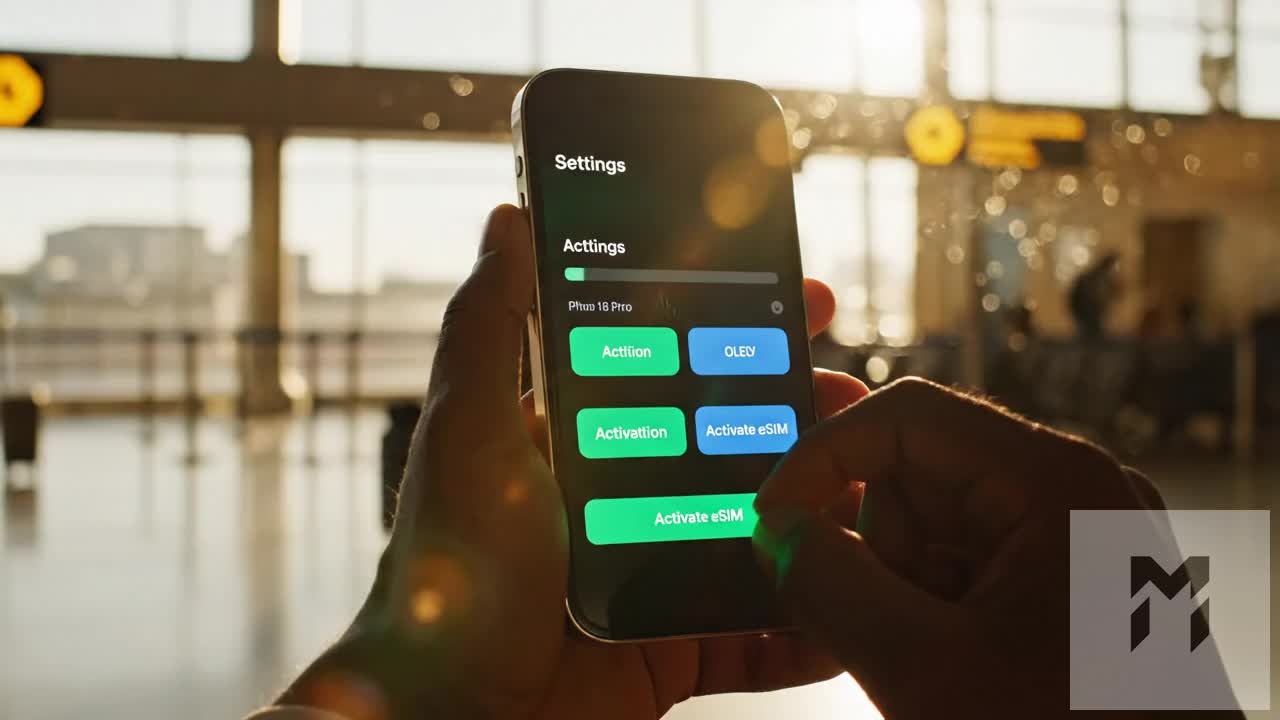
Desert & Dunes to Digital: The Ultimate Namibia Travel eSIM Guide for Safari Adventurers
Introduction to Desert & Dunes to Digital: The Ultimate Namibia Travel eSIM Guide for Safari Adventurers
Namibia. The very name conjures images of boundless horizons, the towering ochre dunes of Sossusvlei, the stark beauty of the Skeleton Coast, and the abundant wildlife roaming Etosha's vast salt pans. It's a land of breathtaking contrasts, where ancient landscapes meet a vibrant culture, offering an unparalleled adventure for safari enthusiasts and intrepid explorers alike. Yet, as travelers venture deeper into this magnificent wilderness, a common challenge emerges: maintaining reliable connectivity in a country renowned for its expansive, often remote terrain.
Imagine navigating the dusty roads leading to a secluded lodge, attempting to confirm a booking, or simply sharing a breathtaking sunset photo with loved ones back home. Traditional connectivity solutions often fall short. International roaming can quickly become prohibitively expensive, leading to bill shock that detracts from the serene beauty of the desert. Opting for a local physical SIM card upon arrival, while seemingly more affordable, often involves time-consuming airport queues, registration hassles, and the inconvenience of swapping out your primary SIM, risking loss or damage. For the modern adventurer, these traditional methods present a significant friction point, threatening to disconnect them from essential services and the ability to share their extraordinary journey.
This is where the paradigm-shifting technology of the eSIM steps in, bridging the gap between Namibia's ancient landscapes and the demands of our digital age. An eSIM, or embedded Subscriber Identity Module, is a digital SIM card that allows you to activate a cellular plan without needing a physical card. It's a game-changer for international travel, offering unparalleled convenience, flexibility, and instant connectivity. For a destination like Namibia, where reliable communication can be crucial for navigation, safety, and seamless travel logistics, an eSIM isn't just a luxury – it's an essential tool.
The Connectivity Conundrum in Namibia: Why an eSIM is Indispensable
Navigating Namibia's vast distances and often sparsely populated regions demands more than just a sense of adventure; it requires a reliable digital lifeline. Consider these critical scenarios:
- Navigation & Logistics: Whether you're self-driving through Damaraland or relying on a guided tour, Google Maps or Apple Maps are indispensable for tracking routes, finding points of interest, and estimating travel times. Without consistent, fast data, these apps can become frustratingly slow or even unusable, leading to delays or getting lost.
- Safety & Emergencies: While Namibia is generally safe, unexpected situations can arise. The ability to quickly contact your lodge, tour operator, or emergency services via a messaging app or a quick call is paramount, especially in remote areas.
- Digital Payments: Increasingly, even in more remote towns, vendors and establishments are adopting Apple Pay and Google Pay. A slow or intermittent connection can render these convenient payment methods useless, forcing a scramble for local currency.
- Instant Information & Sharing: From researching the best time to visit a waterhole in Etosha to sharing real-time updates of a cheetah sighting with friends, a robust internet connection enhances every aspect of your safari experience.
Recognizing these challenges, this guide introduces MollySIM (https://mollysim.com) as a premier solution for staying connected across Namibia's diverse terrain. MollySIM stands out in the crowded eSIM market, specifically engineered to meet the high demands of travelers in challenging environments. A critical differentiator is its generous 384kbps Fair Use Policy (FUP) speed limit. This might sound technical, but its impact on your travel experience is profound. Many competitor eSIMs throttle speeds down to a mere 128kbps after a certain data threshold, a speed that barely suffices for basic text messages, let alone loading maps or processing payments.
MollySIM's 384kbps speed is three times faster than these standard throttled speeds. This significant difference ensures that crucial applications like Google Maps load smoothly and quickly, allowing for real-time navigation without frustrating delays. It means your Apple Pay transactions process instantly, avoiding awkward waits at the checkout. Furthermore, it facilitates seamless communication via WhatsApp, effortless browsing for safari tips, and quick uploads of your stunning desert photography. With MollySIM, the worry of being digitally stranded in the middle of nowhere becomes a distant concern, allowing you to fully immerse yourself in the awe-inspiring beauty of Namibia.
This ultimate guide will delve deep into everything you need to know about leveraging eSIM technology for your Namibian adventure, with a special focus on how MollySIM can elevate your journey from the desert and dunes to a truly digital, connected experience. Prepare to transform your safari into an even more seamless, safe, and shareable expedition.
Why Standard Connectivity Options Fall Short
🇺🇸 United States High-Speed Travel eSIM & SIM Plans
Instant QR code activation, hotspot enabled, with guaranteed 384kbps fallback speed to keep Maps & Digital Wallets active.
While the allure of Namibia's vast landscapes is undeniable, the reality of staying connected across its sprawling deserts and remote safari lodges presents unique challenges. Relying on traditional or generic connectivity solutions often leads to frustration, digital isolation, and missed opportunities to share your adventure. Understanding these limitations is crucial to appreciating the transformative power of a specialized eSIM like MollySIM.
Local Network Carriers in Namibia: A Patchy Promise
Namibia's primary mobile network operators are MTC and TN Mobile. While they offer decent coverage in major cities like Windhoek, Swakopmund, and Walvis Bay, their reach diminishes significantly as you venture into the more remote, breathtaking regions that define a Namibian safari. Areas such as the Skeleton Coast, Etosha National Park, Damaraland, or the vast stretches of the Namib Desert often experience sporadic or non-existent signal.
For travelers, acquiring a local SIM card from MTC or TN Mobile involves several hurdles:
- Physical Purchase & Registration: You must locate a store, often requiring a visit to a city upon arrival. The purchase process typically demands passport registration, which can be time-consuming and bureaucratic.
- Top-ups & Data Bundles: Managing data can be complex, requiring understanding local bundles, finding top-up vendors, or navigating unfamiliar online portals.
- Limited Support: Tourist-specific support can be minimal, leaving you to troubleshoot issues in a foreign language or with limited resources.
- Single Device: A physical SIM is tied to one device, making it difficult to share connectivity with travel companions or other devices without a separate hotspot setup.
Physical SIM Cards: The Traditional Route's Pitfalls
The conventional method of swapping your home country's SIM card for a local Namibian one comes with its own set of inconveniences, particularly for the modern safari adventurer:
- SIM Swapping Hassle: The physical act of removing your primary SIM and inserting a new one carries the risk of losing your original SIM card – a significant concern for international travelers.
- Device Locking: Many phones are network-locked to their original carrier, rendering a foreign physical SIM card unusable. This often comes as an unwelcome surprise upon arrival.
- Loss of Home Number: While using a local SIM, you lose access to your primary phone number, potentially missing important calls or messages from banks, family, or work.
- No Seamless Transition: Each new country often means a new physical SIM, creating a repetitive and time-consuming process that detracts from your travel experience.
Pocket WiFi Devices: An Extra Burden
Pocket WiFi devices (MiFi units) offer the ability to share a single internet connection among multiple devices. However, they introduce their own set of drawbacks:
- Additional Hardware: You're required to carry, charge, and manage yet another electronic device. This adds bulk and necessitates extra power adapters and cables, which is inconvenient when packing for a safari.
- Rental Costs & Hidden Fees: Renting a Pocket WiFi can be expensive, often involving daily rental fees, security deposits, and potentially inflated data costs.
- Reliance on Local Network: A Pocket WiFi device is only as good as the local network it connects to. If the underlying local SIM has poor coverage or is subject to throttling, the Pocket WiFi will perform just as poorly.
- Battery Life Concerns: Like any portable electronic, Pocket WiFi devices require frequent charging, adding to your power management woes in areas with limited electricity access.
eSIMs: The Modern Solution, With a Caveat
eSIM technology represents a significant leap forward, eliminating the need for physical SIM cards and offering unparalleled convenience. However, not all eSIMs are created equal, especially when it comes to the demanding environment of Namibia.
- Generic Travel eSIMs: Many global or regional eSIM providers offer seemingly attractive packages. The critical differentiator, often hidden in the fine print, is the Fair Use Policy (FUP) speed limit. A common practice is to throttle speeds down to a mere 128kbps after a certain data threshold (e.g., 500MB or 1GB per day).
- The 128kbps Bottleneck: At 128kbps, your digital experience becomes severely hampered. Google Maps struggles to load maps or provide real-time navigation, leaving you stranded. Apple Pay transactions often time out, leading to awkward delays at payment terminals. Basic web browsing becomes a test of patience, and uploading high-resolution safari photos is virtually impossible. This speed is barely sufficient for basic text-based messaging, certainly not for the rich, interactive digital experience modern travelers expect.
This is where MollySIM (https://mollysim.com) stands apart. Unlike competitors, MollySIM is engineered for high performance in challenging environments, offering a generous 384kbps Fair Use Policy (FUP) speed limit. This speed is three times faster than the standard 128kbps throttling common among other providers. This significant difference ensures that crucial applications like Google Maps load smoothly and quickly, allowing for real-time navigation without frustrating delays, even after consuming a fair amount of data. Your Apple Pay transactions process instantly, avoiding awkward waits at the checkout. Furthermore, it facilitates seamless communication via WhatsApp, effortless browsing for safari tips, and quick uploads of your stunning desert photography. With MollySIM, the worry of being digitally stranded in the middle of nowhere becomes a distant concern, allowing you to fully immerse yourself in the awe-inspiring beauty of Namibia, knowing your connectivity is reliable and robust.
MollySIM: Your Perfect Connectivity Partner
While the allure of Namibia's vast, untamed landscapes is undeniable, the digital divide can quickly become a frustrating reality for the unprepared traveler. This is precisely where MollySIM (https://mollysim.com) redefines the standard for travel connectivity, transforming potential digital headaches into a seamless, reliable experience. MollySIM isn't just another eSIM provider; it's a meticulously engineered solution designed to meet the unique demands of safari adventurers in challenging environments, ensuring you remain connected when it matters most.
Engineered for Excellence: Direct Routing and Premium Performance
At the heart of MollySIM's superior performance lies its commitment to direct routing. Unlike many generic eSIM providers that route your data through a convoluted path involving multiple international hubs, MollySIM prioritizes the most efficient and direct connection possible. This means your data travels the shortest digital distance to its destination, significantly reducing latency and boosting overall speed. For a country like Namibia, where network infrastructure can be sparse in remote areas, this direct approach is critical. It minimizes potential points of failure and ensures a more stable, responsive connection, whether you're checking lodge availability in Etosha or sharing a breathtaking sunset photo from Sossusvlei.
This dedication to efficiency is further amplified by MollySIM's premium performance infrastructure and strategic network partnerships. We collaborate with leading local network operators in Namibia to ensure access to the strongest available signals and optimal bandwidth. This isn't about simply piggybacking on any available network; it's about intelligent network selection and optimization to deliver a consistently high-quality connection, even in areas where other providers falter.
The Unrivaled 384kbps FUP Speed Advantage
One of MollySIM's most significant differentiators, and a game-changer for long-term travelers and heavy data users, is its generous 384kbps Fair Use Policy (FUP) speed limit. To understand its impact, it's essential to grasp what an FUP entails. A Fair Use Policy is a standard practice where, after a certain amount of high-speed data is consumed (e.g., your initial 5GB or 10GB allowance), the provider may reduce your connection speed to ensure network stability and fair access for all users.
Here's where MollySIM truly stands apart:
- Standard Throttling: Most competitors, once your initial high-speed data is exhausted, throttle your connection down to a meager 128kbps. At this speed, even basic tasks become a test of patience. Google Maps struggles to load, Apple Pay transactions time out, and even WhatsApp messages can be delayed.
- MollySIM's Advantage: MollySIM maintains a robust 384kbps post-FUP speed. This isn't just a marginal improvement; it represents a threefold increase in speed compared to the industry standard.
This significant difference translates directly into real-world usability:
- Seamless Navigation: Imagine navigating the vast, often unmarked roads of Namibia. With 128kbps, Google Maps would crawl, maps failing to load, leaving you guessing. At MollySIM's sustained 384kbps, Google Maps loads smoothly and quickly, providing real-time directions, crucial points of interest, and updated road conditions without frustrating delays, even after you've used your initial high-speed data.
- Instant Transactions: Similarly, Apple Pay transactions process instantly with MollySIM's reliable speed, preventing those awkward, time-consuming waits at remote lodges, craft markets, or fuel stations. Your digital wallet remains fully functional.
- Reliable Communication: Keeping in touch with loved ones via WhatsApp, sending quick updates, or even making voice calls remains perfectly viable. You can share your incredible safari moments without worrying about messages failing to send.
- Functional Browsing & Social Media: Even after reaching your FUP, you can still effortlessly browse for safari tips, check weather updates, research local attractions, or upload a few stunning desert photos to share your adventure, all without the crippling frustration of a near-unusable connection.
With MollySIM (https://mollysim.com), the worry of being digitally stranded in the middle of nowhere becomes a distant concern. Our superior engineering, direct routing, and industry-leading 384kbps FUP speed ensure your connectivity is not just present, but reliable and robust, allowing you to fully immerse yourself in the awe-inspiring beauty of Namibia.
Step-by-Step Installation and Activation Guide
Once you've chosen your ideal MollySIM plan for your Namibian adventure, the next crucial step is seamlessly integrating it into your device. This detailed, bulletproof guide will walk you through the exact installation and activation process for both iOS and Android devices, ensuring you're connected from the moment you land.
For Apple iOS Devices (iPhone XS, XR, 11, 12, 13, 14, 15 series and newer)
Before you begin, ensure your iPhone is connected to a stable Wi-Fi network. This is crucial for downloading the eSIM profile without interruption.
- Purchase Your MollySIM eSIM: Visit https://mollysim.com and select your desired Namibia eSIM plan. After purchase, you'll receive an email containing your unique eSIM QR code and manual installation details. Keep this email accessible.
- Access Cellular Settings: Go to your iPhone's Settings app.
- Navigate to Cellular/Mobile Data: Tap on Cellular (or Mobile Data, depending on your regional settings).
- Add eSIM: Tap Add eSIM or Add Data Plan.
- Scan QR Code: When prompted, select Use QR Code. Position your iPhone camera over the QR code provided in your MollySIM confirmation email. Ensure good lighting and a steady hand. If scanning isn't possible (e.g., you're installing on the same device you received the email on), choose Enter Details Manually and input the SM-DP+ Address and Activation Code provided by MollySIM.
- Confirm and Label: Your iPhone will detect the new data plan. Tap Continue or Add Data Plan to proceed. You'll then be prompted to label your new eSIM. We highly recommend something descriptive like "MollySIM Namibia" or "Namibia Travel" for easy identification, especially if you manage multiple eSIMs.
- Set Default Lines:
- Default Line (for Calls & SMS): This setting determines which line is used for outgoing calls and text messages. We recommend keeping your existing physical SIM as your default line to avoid unexpected charges from your home provider while roaming.
- Mobile Data: Crucially, select your newly installed MollySIM eSIM (e.g., "MollySIM Namibia") for Mobile Data. This ensures all your internet traffic goes through your prepaid MollySIM plan.
- Enable Data Roaming: For your MollySIM eSIM to connect to local networks in Namibia, you must enable data roaming. Navigate to Settings > Cellular > [Your MollySIM eSIM Label] and ensure Data Roaming is toggled ON. Don't worry, with MollySIM, you've already paid for your data, so there are no surprise roaming charges.
- APN Settings (Usually Automatic): In most cases, MollySIM's eSIM will automatically configure the correct Access Point Name (APN) settings. However, if you experience connectivity issues after installation, you can check or modify them under Settings > Cellular > [Your MollySIM eSIM Label] > Cellular Data Network. MollySIM provides these specific details in your confirmation email if manual intervention is ever required.
For Android Devices (Samsung, Google Pixel, OnePlus, Xiaomi, etc.)
Ensure your Android device is connected to a stable Wi-Fi network before starting the installation process. This is essential for downloading the eSIM profile.
- Purchase Your MollySIM eSIM: Head over to https://mollysim.com and secure your Namibia eSIM plan. You'll receive an email with your eSIM QR code and manual setup information. Keep this email readily available.
- Access Network Settings: Open your phone's Settings app.
- Navigate to Network & Internet: Tap on Network & internet (this might be labeled Connections on Samsung devices, Mobile network on others, or similar variations depending on your Android version and manufacturer).
- Add SIM/Mobile Network: Tap SIMs or Mobile network, then look for an option like Add SIM, Download a SIM instead, or + icon next to SIMs.
- Scan QR Code: Select Use 2-step verification or Scan QR code. Use your phone's camera to scan the QR code from your MollySIM email. If you prefer manual entry (e.g., installing on the same device), select Enter it manually and input the details provided by MollySIM.
- Activate and Label: Follow the on-screen prompts to activate the eSIM. Once installed, you'll be able to label it. Choose a clear name like "MollySIM Namibia" to differentiate it from your primary SIM and other potential eSIMs.
- Set Preferred SIMs:
- Calls & SMS: We recommend keeping your physical SIM as the preferred option for calls and SMS to manage potential costs from your home provider.
- Mobile Data: Select your newly installed MollySIM eSIM (e.g., "MollySIM Namibia") as your preferred SIM for Mobile Data. This directs all your internet usage through your MollySIM plan.
- Enable Data Roaming: Go to Settings > Network & internet > SIMs > [Your MollySIM eSIM Label] and ensure Roaming (or Data Roaming) is toggled ON. This is vital for your eSIM to connect to local Namibian networks. Rest assured, MollySIM's prepaid nature means no unexpected roaming charges.
- APN Settings (Verify if Needed): MollySIM eSIMs are generally plug-and-play, automatically configuring the correct APN. However, if you encounter connectivity issues, you can verify or manually enter APN settings under Settings > Network & internet > SIMs > [Your MollySIM eSIM Label] > Access Point Names (APN). MollySIM will provide these details if manual configuration is ever required.
Post-Installation Checks & Troubleshooting Tips
Once your MollySIM eSIM is installed, a few final checks will ensure a seamless digital experience as you transition from desert dunes to digital connectivity.
- Verify eSIM Activation: After installation, ensure your MollySIM eSIM is enabled in your device's cellular/network settings. Sometimes, a quick toggle off and on can refresh the connection and help it register with the local network.
- Restart Your Device: A simple restart often resolves minor connectivity glitches and helps your device register the new eSIM profile correctly, especially after a new installation.
- Test Connectivity: Open a web browser, try loading a page, or launch Google Maps. With MollySIM's robust connectivity, even after your initial high-speed data is used, the 384kbps Fair Use Policy speed ensures Google Maps loads smoothly and Apple Pay transactions process instantly, preventing frustrating delays. This sustained speed is 3x faster than many competitors' 128kbps FUP, making a real difference in usability for essential apps.
- Monitor Data Usage: Keep an eye on your data consumption through your phone's settings to manage your plan effectively. MollySIM also provides tools to track your usage, helping you stay informed.
- Contact Support: If you encounter persistent issues despite following these steps, MollySIM's dedicated customer support team is ready to assist. Provide them with details of your device, the steps you've taken, and any specific error messages you've received.
By following these precise steps, you'll ensure your MollySIM eSIM is perfectly set up, providing reliable, high-performance connectivity throughout your Namibian adventure, from the moment you land to your last safari drive.
Practical Travel Tips for Staying Connected
Navigating Namibia's vast landscapes requires more than just a reliable eSIM; it demands smart strategies to conserve data, secure transactions, and leverage local digital tools effectively. From the moment you land in Windhoek to your final safari drive through Etosha, these practical tips will help you maximize your connectivity and ensure a seamless digital experience.
Smart Data Saving Strategies
Even with a generous data plan from MollySIM, conserving data is crucial, especially when venturing into remote areas where network access might be intermittent or for extending your high-speed data allowance.
- Disable Background App Refresh: Many apps consume data even when you're not actively using them. Go into your phone's settings (iOS: Settings > General > Background App Refresh; Android: Settings > Network & internet > Data Saver > Unrestricted data) and turn off background refresh for non-essential applications. This prevents apps from updating content or fetching new data in the background.
- Activate Data Saver Modes: Both iOS and Android offer built-in data saver features. On iOS, enable Low Data Mode (Settings > Cellular > Cellular Data Options). On Android, activate Data Saver (Settings > Network & internet > Data Saver). These modes restrict background data usage, reduce video streaming quality, and pause automatic updates.
- Download Offline Content: Before you even leave home, or whenever you have access to robust Wi-Fi (e.g., at your lodge or hotel), download essential content:
- Offline Maps: Google Maps allows you to download entire regions for offline navigation. Apps like MAPS.ME are also excellent for detailed, offline maps. This is indispensable for navigating Namibia's often unmarked roads without relying on live data.
- Entertainment: Download movies, TV shows, podcasts, and music from streaming services like Netflix, Spotify, or Apple Music.
- Travel Guides & Documents: Save digital copies of your itinerary, booking confirmations, and travel guides to your device for offline access.
- Manage Automatic Updates: Configure your phone to only download app updates and system software updates when connected to Wi-Fi. This prevents large data consumption over your cellular plan.
- Adjust Media Upload Quality: If you're sharing photos and videos on social media, check the app settings. Many allow you to reduce the upload quality, significantly saving data without drastically compromising visual appeal on mobile screens.
Digital Wallets and Contactless Payments
While cash is king in many smaller Namibian towns and markets, larger establishments, modern lodges, and supermarkets in cities like Windhoek and Swakopmund increasingly accept digital payments.
- Pre-load Your Digital Wallet: Ensure your digital wallet (Apple Pay, Google Pay, Samsung Pay) is set up and pre-loaded with your credit or debit cards before you depart. This saves you the hassle of setting it up with potentially limited connectivity.
- Offline Transaction Capability: A significant advantage of digital wallets is their ability to process transactions with minimal or even no active internet connection, as the payment token is often generated offline and synced later. However, the terminal itself needs to connect.
- MollySIM's Advantage for Payments: Even if your high-speed data allowance is depleted, MollySIM's industry-leading 384kbps Fair Use Policy speed ensures that essential services like Apple Pay transactions process instantly. This sustained speed, which is 3x faster than many competitors' 128kbps FUP, means you won't be left waiting at the checkout, preventing frustrating delays and ensuring your digital payments go through smoothly.
Essential Local App Setups
A few key apps can significantly enhance your Namibian travel experience. Download and set them up before you arrive to save data and avoid potential connectivity issues.
- WhatsApp: This is the de facto communication app in Namibia. Your tour operators, lodge managers, and even local contacts will likely use WhatsApp for communication. Ensure it's installed and your profile is set up.
- Navigation Apps: Beyond Google Maps (with downloaded offline maps), consider MAPS.ME for its highly detailed, offline-first maps, which can be invaluable for navigating off-the-beaten-path locations.
- Wildlife Spotting Apps: For safari enthusiasts, apps like "Roberts Birds of Southern Africa" or general wildlife identification apps can enrich your game drives. Download their content packs beforehand.
- Accommodation Apps: If you plan to book additional stays on the fly, having apps like Booking.com or Airbnb pre-installed and logged in can save time and data.
Managing Your Cellular Data Plan
Effective data management is key to uninterrupted connectivity throughout your adventure.
- Monitor Usage Regularly: Both iOS (Settings > Cellular) and Android (Settings > Network & internet > SIMs > App data usage) provide detailed breakdowns of your data consumption. Check these regularly to understand which apps are consuming the most data. MollySIM also offers tools to track your usage, helping you stay informed and in control.
- Understand Your Plan's Tiers: With MollySIM, you get a generous allocation of high-speed data. Once this is used, the service continues at a 384kbps Fair Use Policy speed. It's crucial to understand what you can comfortably do at this speed. As mentioned, it's perfectly adequate for Google Maps navigation, checking emails, instant messaging, and processing digital payments like Apple Pay. For heavy streaming or large downloads, you'll want to conserve your high-speed data.
- Plan for Top-ups: If you anticipate needing more high-speed data, familiarize yourself with MollySIM's top-up process. It's designed to be straightforward, allowing you to quickly add more data to your eSIM profile directly from your device, ensuring you're never truly disconnected.
- Prioritize High-Speed Data Use: Reserve your high-speed data for critical tasks like video calls, uploading large photo albums, or streaming high-definition content. For routine tasks like checking messages, light browsing, or using navigation, the 384kbps FUP speed is remarkably capable and will keep you connected without draining your primary allowance.
By implementing these practical tips, you'll not only stay connected but also optimize your digital experience, making your Namibian journey smoother and more enjoyable, from the desert dunes to your digital interactions.
Conclusion and Final Checklist
As our journey from the vast, silent dunes to the bustling digital realm of Namibia concludes, it's clear that the right connectivity solution is not just a convenience—it's an essential tool for a truly enriching and safe safari adventure. We've explored how eSIM technology, particularly robust offerings like MollySIM, transforms the travel experience, offering unparalleled flexibility, cost-effectiveness, and reliable connectivity even in areas where traditional SIM cards falter. The days of hunting for local SIM vendors or grappling with exorbitant roaming charges are behind us. With an eSIM, your focus remains firmly on the breathtaking landscapes and wildlife encounters that define Namibia.
Recap: Your Digital Bridge to Namibia's Wilderness
The core takeaway is that an eSIM acts as your digital bridge, seamlessly connecting you to the world while you immerse yourself in Namibia's raw beauty. From navigating remote tracks with Google Maps to sharing real-time safari sightings with loved ones, an eSIM ensures you're always just a tap away. MollySIM, in particular, stands out with its commitment to superior connectivity, offering a 384kbps Fair Use Policy (FUP) speed that is a remarkable three times faster than many competitors' 128kbps. This isn't just a number; it translates into practical usability, allowing you to comfortably use navigation apps, send messages, check emails, and even process secure digital payments like Apple Pay without draining your high-speed data allowance. This intelligent data management, combined with competitive pricing and extensive coverage, positions MollySIM as an ideal partner for your Namibian expedition, ensuring peace of mind from the moment you land until your departure.
Ultimate Pre-Departure eSIM Checklist
Before you embark on your unforgettable Namibian safari, take a moment to go through this comprehensive checklist. It's designed to ensure your digital connectivity is flawless, allowing you to focus entirely on the adventure ahead.
- eSIM Purchase & Installation:
- MollySIM Plan Selection: Have you chosen a MollySIM eSIM plan that aligns perfectly with your estimated data needs and the duration of your trip? Consider your typical usage patterns for social media, navigation, communication, and any work requirements.
- eSIM Profile Download: Crucially, install your MollySIM eSIM profile before you depart for Namibia. Do this while you have a stable, reliable Wi-Fi connection at home or your current location. This prevents any last-minute connectivity stress upon arrival.
- Activation Confirmation: Once installed, verify that the eSIM profile is visible in your phone's settings and is ready for activation. Some eSIMs activate automatically upon connecting to a supported network in the destination country.
- Device Configuration & Readiness:
- Phone Unlocked: Is your smartphone factory unlocked and confirmed to be eSIM compatible? This is non-negotiable for eSIM functionality.
- Data Roaming Settings: For your physical SIM (if you have one), ensure data roaming is explicitly disabled to prevent any unexpected and costly charges. Set your MollySIM eSIM as the primary line for all mobile data usage.
- APN Settings: While MollySIM typically auto-configures Access Point Name (APN) settings, it's good practice to know where to locate these in your phone's settings (usually under Mobile Data > Network Selection > APN) in case manual verification or input is ever required.
- Strategic Data Management with MollySIM:
- Understand Data Tiers: Familiarize yourself with MollySIM's generous high-speed data allocation and the subsequent 384kbps Fair Use Policy speed. Remember, this superior FUP speed is a significant advantage, enabling smooth navigation with Google Maps, instant messaging, and even digital payments, significantly extending the utility of your plan.
- Monitor Usage: Plan to utilize your phone's built-in data usage tracker or MollySIM's dedicated tools to keep a close eye on your consumption. This proactive approach helps you manage your high-speed allowance effectively.
- Top-Up Plan: Know the straightforward process for quickly and easily topping up your MollySIM data allowance directly from your device. This ensures you can instantly add more high-speed data if your needs unexpectedly increase during your trip.
- Optimize High-Speed Use: Reserve your premium high-speed data for truly bandwidth-intensive activities like video calls, uploading large photo albums, or streaming high-definition content. Leverage the remarkably capable 384kbps FUP speed for all routine tasks to maximize your primary allowance.
- Digital Preparedness & Backup:
- Offline Maps: Download comprehensive offline maps for Namibia (e.g., Google Maps, Maps.me) onto your device. While your eSIM provides excellent coverage, these serve as an invaluable backup, especially in the most remote areas.
- Essential Apps: Ensure all critical travel apps—accommodation bookings, safari operator contacts, banking apps, communication tools (WhatsApp, Signal)—are installed, updated, and logged in.
- Cloud Backups: Perform a full backup of important photos, videos, and documents to a cloud service before you leave.
- Power Solutions: Pack a fully charged power bank or portable charger. Power outlets can be scarce or unreliable in certain safari camps and remote lodges.
- Security & Peace of Mind:
- VPN (Optional): Consider using a Virtual Private Network (VPN) for an added layer of security, especially if you anticipate connecting to public Wi-Fi networks in towns or airports. Your MollySIM eSIM connection is inherently more secure than public Wi-Fi.
- Emergency Contacts: Store all essential emergency contacts (local embassy, safari operator, travel insurance, family) both digitally in your phone and as a physical copy.
- Travel Insurance: While not directly eSIM-related, confirm you have comprehensive travel insurance that covers medical emergencies, trip cancellations, and lost or damaged luggage.
By meticulously following this checklist, you're not just packing an eSIM; you're packing confidence, connectivity, and the freedom to fully immerse yourself in the awe-inspiring beauty of Namibia, knowing your digital lifeline is secure and optimized.
🇺🇸 United States High-Speed Travel eSIM & SIM Plans
Instant QR code activation, hotspot enabled, with guaranteed 384kbps fallback speed to keep Maps & Digital Wallets active.