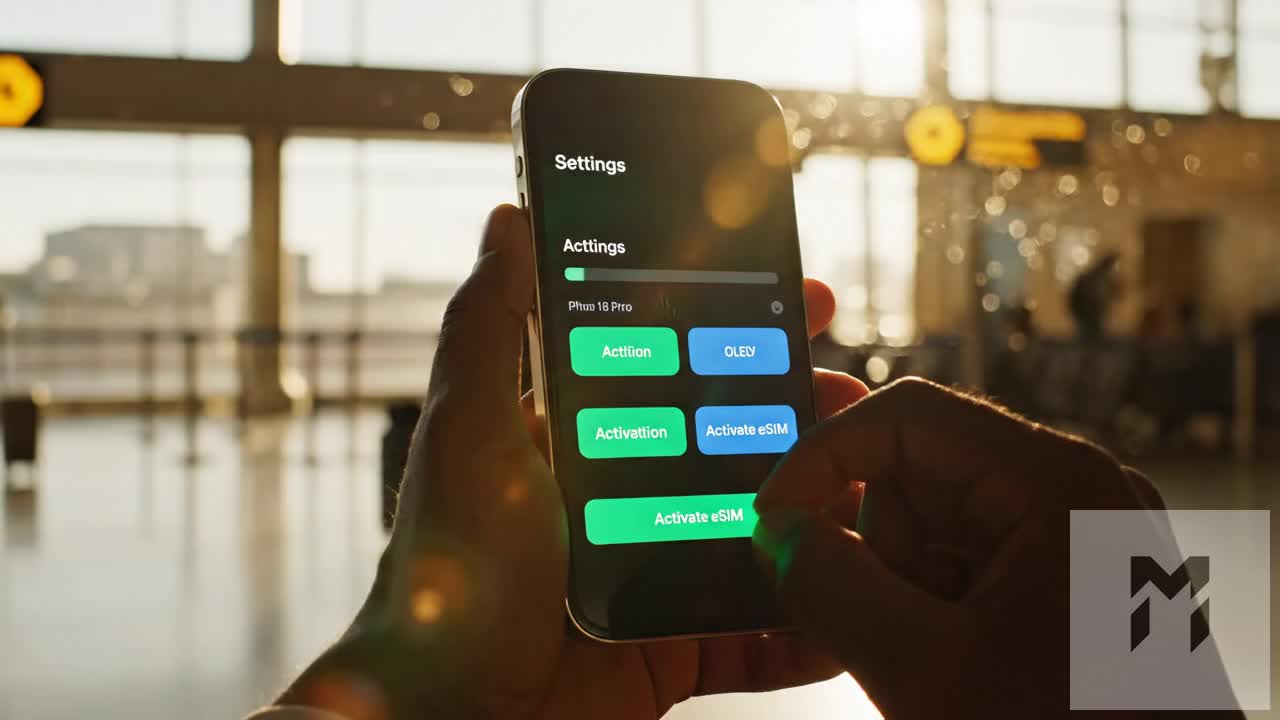
Oaxaca & Day of the Dead: The Ultimate 2026 Mexico Cultural Travel eSIM Guide
The Connectivity Paradox: Experiencing Oaxaca's Día de los Muertos in the Digital Age
Between October 31 and November 2, the city of Oaxaca de Juárez transforms into a vibrant, sensory epicenter of Mesoamerican tradition. Golden cempasúchil (marigold) petals blanket colonial cobblestones, the resinous scent of burning copal fills the air, and brass bands ignite thunderous comparsas (street carnivals) and wild muertadas weaving through the neighborhoods of Centro Histórico and Barrio de Jalatlaco. By midnight, the atmosphere pivots toward sacred reverence as families gather for all-night velaciones (candlelight vigils) in the historic cemeteries of San Sebastián Tutla, Santa Cruz Xoxocotlán, and Santa María Atzompa.
Yet, participating in these ancient rites in 2026 creates a profound Connectivity Paradox: while immersing yourself in century-old rituals demands your full cultural presence, surviving the logistical realities of modern Oaxaca requires uninterrupted, high-speed mobile data.
       CULTURAL DEMAND                           INFRASTRUCTURE REALITY
┌──────────────────────────────┐              ┌──────────────────────────────┐
│ Real-Time Hyper-Coordination │              │ Severe Cellular Congestion   │
│ • DiDi at 3:00 AM in Panteón │              │ • Base Transceiver Overload  │
│ • Live 4K Comparsa Streaming ├──────><──────┤ • Zero Public Wi-Fi in Tombs │
│ • Labyrinthine GPS Routing   │              │ • Single-Carrier SIM Lockout │
│ • Contactless Mobile Pay     │              │ • Degraded 128kbps Fallbacks │
└──────────────────────────────┘              └──────────────────────────────┘
The High-Stakes Demands on Modern Mobile Data
Navigating Day of the Dead is an intensely dynamic logistical puzzle. Travelers rely on mobile infrastructure for:
- Precision Navigation in Crowded Labyrinths: Oaxaca’s narrow colonial streets frequently close without warning for spontaneous parades. Rerouting on foot requires active GPS and instant vector rendering via Google Maps.
- Late-Night Ridesharing Out of Remote Pueblos: Hailing a DiDi or coordinating a private taxi pickup at 3:30 AM outside the gates of Panteón Viejo in Xoxocotlán or the hilltop cemetery of Atzompa is not merely a convenience—it is a non-negotiable personal safety requirement.
- High-Bandwidth Content Creation: Uploading high-bitrate 4K footage and live streaming the dazzling makeup of Catrinas and towering mojigangas (giant puppets) against historic stone facades demands consistent uplink speeds.
- Micro-Group Coordination: When thousands of masked revelers surge through the Plaza de Santo Domingo, breaking away from your travel party is inevitable. Real-time location sharing via messaging apps remains your only practical retrieval tool.
Why Oaxaca’s Local Infrastructure Collapses Under Peak Density
During festivities, local cellular towers experience sudden, hyper-localized human surges that overwhelm Base Transceiver Stations (BTS). Single-carrier physical tourist SIMs become practically unusable as thousands of simultaneous voice and data requests choke single network frequencies in closed plazas.
Furthermore, public Wi-Fi is entirely nonexistent across rural cemetery grounds and highly insecure along busy market corridors like Mercado 20 de Noviembre. Once a standard tourist SIM reaches its daily high-speed cap, traditional providers throttle bandwidth down to a punitive 128kbps—a digital dead-end that fails to load maps, message alerts, or payment gateways.
To prevent being stranded in the valleys of Oaxaca during late-night vigils, international travelers require advanced multi-network redundancy. Solutions like MollySIM bypass single-carrier congestion by dynamically switching across top-tier Mexican infrastructure.
Crucially, MollySIM implements a generous 384kbps Fair Use Policy (FUP) speed limit—three times faster than standard international eSIM throttles—guaranteeing that even under heavy network strain or after consuming high-speed allocations, mission-critical applications like Google Maps routing, WhatsApp communication, and Apple Pay authentication continue running without interruption.
Oaxaca's Telecom Landscape: Telcel vs. AT&T Mexico Across Rugged Terrain
🇺🇸 United States High-Speed Travel eSIM & SIM Plans
Instant QR code activation, hotspot enabled, with guaranteed 384kbps fallback speed to keep Maps & Digital Wallets active.
Navigating Oaxaca during Día de los Muertos requires an understanding of how Mexico’s complex physical geography clashes with local cellular network architecture. The state of Oaxaca features some of Mexico's most fragmented topography: the flat, high-altitude bowl of the Valles Centrales (1,550 meters above sea level) is completely hemmed in by the jagged ridgelines of the Sierra Madre del Sur and the Sierra Norte.
For radio frequency (RF) engineers, this mountainous terrain creates severe multipath fading, signal diffraction, and deep shadow zones. How your phone connects—and whether it stays connected—depends heavily on which carrier controls the local Base Transceiver Stations (BTS) and which cellular frequency bands your device leverages.
Frequency Band Allocation: The Technical Breakdown
Mexican telecommunications operate primarily across six major LTE/5G bands. In Oaxaca, carrier performance varies radically based on spectrum ownership and backhaul capacity:
| Frequency Band | Protocol | Primary Operator(s) | Operational Role in Oaxaca |
|---|---|---|---|
| Band 5 (850 MHz) | LTE / 3G | Telcel | Long-range rural penetration. Penetrates deep mountain ravines and artisanal villages outside the city basin. |
| Band 2 (1900 MHz) | LTE | Telcel / AT&T | Mid-range capacity. Balances distance and throughput across the central valley floor. |
| Band 4 / 66 (AWS 1700/2100 MHz) | LTE | AT&T / Telcel / Movistar | High-capacity urban data. Powers heavy bandwidth in Centro Histórico, Santo Domingo, and Reforma. |
| Band 7 (2600 MHz) | LTE | Telcel / AT&T | Dense urban offloading. Deployed around transport hubs like Oaxaca International Airport (OAX). |
| Band 28 (700 MHz) | LTE | Altán Redes | Public wholesale network. Broad sub-1GHz coverage, but frequently throttled backhaul. |
| Band n78 (3.5 GHz) | 5G NR | Telcel / AT&T | High-density 5G. Limited strictly to central Oaxaca City, Jalatlaco, and modern retail corridors. |
Carrier Breakdown: Telcel vs. AT&T Mexico vs. Altán Redes
1. Telcel (América Móvil)
Telcel commands the largest tower footprint across southern Mexico. By deploying low-frequency Band 5 (850 MHz) and extensive microwave backhaul links across mountain peaks, Telcel reaches deep into regional indigenous communities.
- The Advantage: Superb geographic reach along transit corridors leading out of the central valley.
- The Vulnerability: Severe base-station oversubscription. During high-density gatherings—such as the candlelit vigils in the cemeteries of Santa Cruz Xoxocotlán or San Sebastián Tutla—Telcel’s local eNodeB towers suffer acute physical layer exhaustion. While your phone may show "4 Bars LTE," the data pipe becomes completely unresponsive due to signaling storm congestion.
2. AT&T Mexico
AT&T has invested heavily in modern urban infrastructure, deploying multi-carrier aggregation across Band 4 (AWS) and Band 66 within Oaxaca’s metropolitan core.
- The Advantage: Exceptional high-bandwidth stability in central Oaxaca City. When thousands of tourists jam Telcel’s macro towers near the Plaza de la Danza during Comparsas (parades), AT&T often maintains pristine, uncompressed throughput.
- The Vulnerability: Rapid rural drop-off. AT&T relies largely on roaming agreements outside primary municipal zones, meaning high-speed data quickly downgrades or disappears entirely once you leave the federal highway grid.
The Single-Carrier Trap on Regional Excursions
Locking your device to a single physical Mexican network creates operational blind spots during standard Day of the Dead itineraries:
- The Day Trip Disconnect: Driving east to the petrified waterfalls of Hierve el Agua or navigating the unpaved alleys of Teotitlán del Valle (famed for Zapotec textile weavers) takes you out of AT&T's native coverage footprint. AT&T-only devices drop to emergency-only mode, disabling live map tracking and ride-hail coordination.
- The Alebrije Artisan Route: Traveling south to San Martín Tilcajete exposes localized gaps where network handoffs fail between micro-towers, stranding travelers without digital payment processing or translation capabilities.
- The Urban Congestion Trap: Conversely, remaining strictly on Telcel inside Oaxaca’s historic center during midnight parades exposes you to systematic tower lockouts, making it impossible to request a DiDi or coordinate meet-up spots.
The Dynamic Switching Solution
To achieve true operational reliability across Oaxaca's topographic extremes, international travelers must leverage multi-network dynamic core switching. Advanced services like MollySIM interface seamlessly across Tier-1 Mexican cellular partners. If Telcel's local cell sites saturate during a street festival in Jalatlaco, the SIM automatically routes high-priority packets through AT&T’s un-congested AWS spectrum. As soon as you embark toward the rugged trails of the Sierra Madre, the profile shifts over to Telcel’s penetrating Band 5 footprint.
Furthermore, should you exceed your primary high-speed allocation while streaming cultural festivities, MollySIM’s 384kbps Fair Use Policy (FUP) ensures your line stays three times faster than typical tourist SIM throttles (128kbps). This maintained speed ensures turn-by-turn routing on Google Maps, real-time WhatsApp location pings, and contactless payment gateways remain fully functional across every corner of Oaxaca.
Mexico Travel Connectivity Showdown: eSIM vs. Local SIM vs. Roaming vs. Pocket Wi-Fi
Navigating data connectivity during peak cultural events like Día de los Muertos requires balancing cost, coverage reliability, and operational ease. While travelers once had to settle for physical SIM swapping or exorbitant carrier fees, modern eSIM architecture has radically shifted the landscape.
The breakdown below details the four primary pathways to mobile connectivity in Mexico for 2026:
Feature & Performance Matrix
| Metric | MollySIM Mexico eSIM | Local Physical SIM (Telcel Amigo) | Carrier Daily Roaming ($10–$15/Day) | Pocket Wi-Fi Hotspot Rental |
|---|---|---|---|---|
| Initial Cost | Low ($4–$25 based on data tier) | Low–Moderate ($10–$20) | High ($100–$150 per 10-day trip) | Very High ($80–$140 + deposit) |
| Setup Friction | Instant QR Scan / Remote Provisioning | High (Store visit, physical tray swap) | Zero (Automatic activation) | Moderate (Pickup, charging, sync) |
| Network Redundancy | Multi-Carrier Auto-Switching (Telcel + AT&T) | Locked to Telcel only | Single Host Carrier (Usually AT&T or Movistar) | Locked to Single Pre-installed SIM |
| Bandwidth Throttling | High-speed data allocation + FUP | Hard stop upon data exhaustion | Daily throttles (often after 500MB/day) | Varies (often hard throttled at 1–2GB/day) |
| Airport Markup Risk | 0% (Direct digital pricing) | Extreme (Up to 500% at kiosks) | None (Billed to domestic invoice) | High (Airport pick-up fees & exchange margins) |
| 384kbps Fallback | Yes (Continuous data for maps & payments) | No (Immediate service suspension) | No (Throttled to unusable 64–128kbps) | No (Throttled to 128kbps or shut down) |
| Hardware Overhead | Zero (Native dual-SIM inside phone) | Low (Requires safe keeping of primary SIM) | Zero (Native primary line) | High (Separate device, charging cables, power bank) |
The Reality of Modern Travel Connectivity
- Travel eSIM (MollySIM): By virtualizing network credentials, MollySIM connects to core multi-carrier infrastructure, allowing your device to dynamically switch between Telcel and AT&T Mexico based on signal quality. Its standout feature for Oaxaca travelers is the 384kbps Fair Use Policy (FUP) fallback. While other digital SIM providers completely sever connectivity or degrade your speed to an unusable 64–128kbps when high-speed pools deplete, MollySIM provides triple the baseline throughput—ensuring Google Maps turn-by-turn navigation, Uber/DiDi requests, and Apple Pay/Google Wallet token exchanges remain operational anywhere in the state.
- Local Physical Prepaid SIM: While buying an Amigo SIM at a neighborhood OXXO convenience store is theoretically economical, it binds you to a single network footprint. If Telcel towers lock up in downtown Oaxaca during a midnight comparsa parade, your device has zero fallback options.
- Carrier Roaming Passes: Major North American and European carriers (Verizon TravelPass, AT&T International Day Pass, EE) charge between $10 and $15 every 24 hours. Over a two-week cultural journey, roaming fees quickly exceed $140. Furthermore, roaming agreements often place international visitors at the bottom of local tower quality-of-service (QoS) queues, leading to high latency and deprioritized throughput during crowded street festivals.
- Pocket Wi-Fi Units: Renting a mobile router introduces unnecessary bulk. In the dense crowds of Oaxaca's zócalo, carrying a second battery-powered device creates operational drag, requires constant recharging, and exposes you to expensive replacement fees if dropped or lost.
The Airport Kiosk Trap: Overpriced SIM Scams at MEX and OAX
Unsuspecting travelers arriving at Mexico City International Airport (MEX - Terminals 1 & 2) or Oaxaca Metropolitan Airport (OAX) frequently fall victim to predatory SIM card vendors. Retail storefronts and pop-up kiosks leverage traveler anxiety over immediate connectivity to inflate prices dramatically:
- 5x Price Markups: An entry-level Telcel physical SIM containing a 200 MXN (~$11 USD) package with 3GB of data regularly sells at airport kiosks for $50 to $65 USD. Kiosk staff often mask these prices behind "tourist setup fees" or bundle them with unneeded physical adapters.
- Identity and Registration Hurdles: Mexican telecom regulations mandate identity registration for select physical lines. Airport kiosks frequently leave travelers to navigate complex Spanish-language IVR automated phone trees or SMS identity validation portals manually. If an activation error occurs after you leave the airport terminal, physical support options are non-existent.
- Single-Network Vulnerability: Even after paying a 500% premium, airport-purchased SIM cards are hardcoded to a single operator. When network saturation hits Oaxaca’s historical district, single-network users find their devices completely cut off from the local data grid.
Bypassing airport retail altogether by pre-installing a multi-carrier eSIM ensures immediate, low-latency data the second your flight touches down on the tarmac—without passport friction, foreign currency exchange markups, or single-tower lockouts.
Field Guide: Critical Connectivity Strategies from Xoxocotlán Cemeteries to Hierve el Agua
Navigating Oaxaca during Día de los Muertos requires transitioning between dense, hyper-congested urban street festivals and remote, signal-deprived mountain passes. Below are battle-tested field protocols to ensure your device stays connected across the region’s most demanding cultural corridors.
+---------------------------+-----------------------+------------------------------------------+
| Location / Scenario       | Primary Data Bottleneck | Tactical Connectivity Solution          |
+---------------------------+-----------------------+------------------------------------------+
| Xoxocotlán Cemeteries     | Tower Congestion (RF) | Walk 400m to pick-up perimeter; force LTE|
| Santiago Matatlán         | Sporadic Rural Cells  | Buffer uploads; prioritize 4G Uplink     |
| Hierve el Agua Route      | Canyon Dead Zones     | Hybrid: Offline cached base + Live eSIM  |
| Artisan Villages (2FA)    | Intermittent Rural 3G | Stable multi-carrier fallback for push   |
+---------------------------+-----------------------+------------------------------------------+
1. Escaping the Xoxocotlán Cemetery Blackout (DiDi & Uber Logistics)
On the night of October 31, tens of thousands of visitors converge on Panteón Mágico de Xoxocotlán and Panteón Nuevo. The localized cellular towers quickly reach maximum RF (Radio Frequency) capacity. While your phone may show full signal bars, data packets will drop, making it impossible to refresh ride-hailing apps like DiDi or Uber.
- The Perimeter Exit Tactic: Do not attempt to hail a vehicle directly outside the cemetery gates on Calle Galeana. Walk 400 to 600 meters northwest toward Boulevard Guadalupe Hinojosa de Murat. Moving outside the core crowd radius transfers your connection to adjacent, less saturated cell sectors.
- Network Switching: If your data stalls completely, toggle your connection: enable Airplane Mode for 15 seconds to force your device to renegotiate a fresh bearer channel on the strongest available local frequency.
2. High-Bandwidth Field Streaming: Sand Tapestries & Mezcal Trails
Broadcasting high-definition video of the intricate sand tapestries (tapetes de arena) along Calle 5 de Mayo or live-streaming an ancestral mezcal distillation in Santiago Matatlán demands sustained upstream throughput.
In the rural highlands of Matatlán, single-carrier SIMs frequently drop down to 2G/EDGE speeds. Using an agile multi-network solution like MollySIM allows your device to seamlessly switch to whichever regional carrier delivers the lowest packet loss.
Furthermore, if you exhaust your daily high-speed quota while uploading rich media, MollySIM’s 384kbps Fair Use Policy (FUP) speed limit provides three times the bandwidth of standard 128kbps throttles. This ensures your background location tracking, interactive maps, and critical messaging channels stay responsive rather than timing out.
3. Mountain Road Navigation: Mitla, Monte Albán, and Hierve el Agua
The drive from Oaxaca City to the petrified waterfalls of Hierve el Agua traverses the rugged Sierra Mixe foothills via Highway 190. Deep switchbacks and mountain shadows create intermittent signal voids, particularly on the unpaved detour through San Lorenzo Albarradas.
- Deploy a Hybrid Navigation Strategy: Before leaving the city, download offline map packages for the entire Central Valleys region in Google Maps or Organic Maps.
- Maintain Active Dynamic Cellular Data: Keep cellular data active on your eSIM alongside your offline cache. Mountain roads in Oaxaca are prone to sudden holiday roadblocks (bloqueos) and slow-moving agricultural transport. Dynamic routing data relies on micro-pings of cellular data to redirect you through open routes around Mitla and Tlacolula before you drive into unnavigable bottlenecks.
4. Securing High-Ticket Folk Art: 2FA & Fraud Alerts in Artisan Villages
Purchasing certified collector-grade alebrijes in San Martín Tilcajete or genuine black clay (barro negro) in San Bartolo Coyotepec often involves foreign transaction amounts ranging from $500 to over $3,000 USD.
- The 2FA Bottleneck: International credit card processors routinely flag these transactions, instantly triggering SMS verification codes, in-app push notifications, or biometric bank confirmations.
- Preventing Payment Lockouts: If your phone loses data connectivity inside an artisan workshop due to a weak single-network signal, the bank's authentication window will time out. This can freeze your payment card due to suspected fraud. A stable data connection ensures instant two-way synchronization with your banking apps, letting you verify cardholder identity in real time at the point of sale.
Why MollySIM's Dynamic Multi-Carrier Failover Outperforms Traditional SIMs in Oaxaca
Navigating Oaxaca during Día de los Muertos presents a unique telecommunications challenge: tens of thousands of travelers, photographers, and locals concentrate within compact historical corridors like the Andador Turístico or historic cemeteries like Panteón General. When thousands of devices simultaneously attempt to upload 4K video feeds to social media, local cellular base stations (transceptores) experience severe uplink saturation and packet loss.
Standard local physical SIM cards (such as direct Telcel or OXXO-bought chips) and basic tourist eSIMs lock your handset to a single, static International Mobile Subscriber Identity (IMSI). If that primary carrier's local sector goes down or throttles throughput due to localized congestion, your device enters a communication blackout.
MollySIM solves this architectural vulnerability by deploying an advanced eUICC (Embedded Universal Integrated Circuit Card) profile specifically optimized for Mexico's dual-tier telecommunications topology.
Intelligent Multi-Carrier Failover: Telcel & AT&T Mexico Integration
MollySIM eliminates single-point-of-failure risks by provisioning direct core network integrations with both Telcel and AT&T Mexico.
Instead of waiting for a total carrier signal loss, MollySIM’s underlying eUICC management layer continuously evaluates connection quality:
- Autonomous Latency & RTT Tracking: The profile monitors Round-Trip Time (RTT) and jitter metrics. When Telcel’s macro towers become oversubscribed during packed comparsa street parades, causing ping rates to spike past acceptable thresholds, MollySIM initiates an autonomous sub-second handshake.
- Zero-Touch Switching: Your phone automatically re-routes data traffic through AT&T Mexico's nearby microcells without requiring you to manually toggle APN settings, reboot your handset, or cycle Airplane Mode in the middle of a crowded midnight vigil.
The 384kbps Unlimited Safety Net: The Critical Operational Difference
Most generic travel eSIMs operate on rigid, unforgiving data caps. Once your prepaid high-speed quota runs out—often accelerated by high-resolution photo backups and mapping calls—they trigger an instantaneous hard disconnect. In the middle of an unfamiliar municipality like Santa Cruz Xoxocotlán at 2:00 AM, losing data access creates immediate personal safety and logistical hazards.
Other eSIM brands enforce an aggressive "Fair Use Policy" (FUP) throttle down to 64kbps or 128kbps—speeds that are functionally useless on modern web protocols (HTTPS/TLS handshakes alone will systematically time out).
| Feature / Network Capability | Standard Tourist eSIMs | MollySIM Global eUICC |
|---|---|---|
| Carrier Redundancy | Single Carrier Lock (Telcel or Movistar) | Dynamic Telcel + AT&T Mexico Failover |
| Exhausted Data Behavior | Hard Disconnect / Network Drop | Unlimited Continuous Data at 384kbps |
| Throttled Bandwidth Ceiling | 64kbps – 128kbps (Connection Timeout) | 384kbps (3x Industry Standard) |
| Google Maps Vector Rendering | Fails / Infinite Loading Loop | Fully Functional Dynamic Routing |
| DiDi / Uber Ride Dispatch | API Handshake Failure | Instant Server Synchronization |
| VoIP Emergency Calling | Audio Chopping / Complete Drop | Stable 16-bit Voice Codec Stream |
MollySIM establishes a baseline 384kbps unlimited safety net—exactly 3x faster than standard market throttles.
┌────────────────────────────────────────────────────────┐
│ 384kbps: THE GOLDEN OPERATIONAL THRESHOLD             │
├────────────────────────────────────────────────────────┤
│  ✓ Google Maps: Fast vector tile cache & dynamic reroutes│
│  ✓ DiDi & Uber: Real-time driver telemetry & dispatch   │
│  ✓ WhatsApp: Text delivery & clear VoIP audio calls    │
│  ✓ Apple Pay & 2FA: Instant cryptographic verification │
└────────────────────────────────────────────────────────┘
By guaranteeing an unthrottled minimum floor of 384kbps, MollySIM ensures you never suffer an absolute network cutoff, keeping you connected, navigable, and secure across every corner of Oaxaca.
2026 Setup & Optimization Guide: Seamless Dual-SIM Configuration for Mexico
Navigating the vibrant streets of Oaxaca during Día de los Muertos requires your connectivity to work instantaneously from the moment your aircraft touches down at Oaxaca-Xoxocotlán International Airport (OAX). Setting up your device properly beforehand eliminates expensive domestic carrier roaming traps while keeping essential security channels—such as banking 2FA texts—fully operational.
Step-by-Step Installation: Pre-Flight Provisioning
Install your eSIM profile 24 hours before your flight while still connected to a trusted Wi-Fi network at home.
┌────────────────────────────────────────────────────────────────────────┐
│                      PRE-FLIGHT eSIM DEPLOYMENT                        │
├──────────────────────────┬─────────────────────────────────────────────┤
│ iOS (iPhone 11–16 Pro)   │ Settings > Cellular > Add eSIM > Scan QR    │
│ Android (Pixel / Galaxy) │ Settings > Network & Internet > SIMs > Add  │
└──────────────────────────┴─────────────────────────────────────────────┘
Apple iOS Configuration
- Go to Settings > Cellular (or Mobile Data) > Add eSIM.
- Scan the QR code provided in your MollySIM confirmation email.
- Label the new profile "MollySIM Mexico" and keep your home carrier labeled as "Primary".
- Set Default Voice Line to Primary (so you can receive critical emergency calls or SMS).
- Set Cellular Data to MollySIM Mexico.
- Crucial Step: Toggle "Allow Cellular Data Switching" to OFF. If left on, your iPhone will silently fail over to your domestic line during momentary packet drops, triggering exorbitant daily international carrier fees ($10–$15/day).
- Tap into the MollySIM Mexico profile and toggle Data Roaming to ON. (Note: MollySIM relies on international roaming agreements with Telcel and AT&T Mexico to provide dynamic network switching).
Android (Samsung One UI / Google Pixel) Configuration
- Navigate to Settings > Connections (or Network & Internet) > SIM manager > Add Mobile Plan / Add eSIM.
- Scan your activation QR code and confirm the download.
- Label the profile MollySIM.
- Under Preferred SIM, set Mobile Data to MollySIM, while leaving Calls and Messages assigned to your Primary SIM.
- Select the MollySIM entry, open Access Point Names (APN), and verify that the APN matches the auto-provisioned string provided in your installation voucher (typically configured automatically upon check-in).
- Enable Data Roaming exclusively under the MollySIM profile toggle.
Dual-SIM Architecture: Safeguarding Bank 2FA Without Roaming Shock
To make sure your two-factor authentication (2FA) SMS codes arrive when booking Mezcal tasting tours or authenticating sudden credit card transactions in Oaxaca City, configure your lines precisely as mapped below:
| Setting Parameter | Primary Home SIM | MollySIM Mexico Profile |
|---|---|---|
| Line Status | Active (ON) | Active (ON) |
| Data Roaming | Disabled (OFF) | Enabled (ON) |
| Cellular Data Usage | Disabled | Primary Data Source (ON) |
| Incoming SMS (2FA) | Active (Free across most telcos) | N/A |
| Cellular Data Switching | Disabled (OFF) | N/A |
| APN Provisioning | Carrier Default | Automatic via MollySIM |
Field Battery Optimization for 14-Hour Festival Days
Día de los Muertos festivities in destinations like Santa Cruz Xoxocotlán, San Agustín Etla, and Jalatlaco routinely span from early afternoon well past dawn. Intensive photo caching, constant GPS tracking, and network congestion from dense crowds put heavy strain on your battery. Use these optimization parameters to keep your device operational all night:
┌────────────────────────────────────────────────────────────────────────┐
│                   FIELD BATTERY PRESERVATION PROFILE                   │
├────────────────────────────────────────────────────────────────────────┤
│ 1. Lock Network Mode to LTE / 4G (Disable 5G Auto Hunting)             │
│    • Prevents thermal throttling & constant cell tower cycling         │
│ 2. Restrict Background App Refresh (Keep only WhatsApp & Maps active)  │
│ 3. Pre-Download Oaxaca State Vector Data in Google Maps offline        │
│ 4. Leverage MollySIM's 384kbps continuous FUP threshold                │
└────────────────────────────────────────────────────────────────────────┘- Lock Cellular Band to LTE/4G: 5G radios consume up to 20% more battery when oscillating between marginal mid-band frequencies in crowded Oaxacan plazas (Zócalo). Forcing your device to LTE Only stabilizes the transceiver pipeline without sacrificing functional throughput.
- Offline Routing Layer: Download the offline map of Oaxaca Central Valleys via Google Maps before leaving your accommodation. When coupled with MollySIM's baseline 384kbps unlimited safety throttle (3x faster than traditional 128kbps limits), dynamic routing, traffic updates, and point-to-point GPS rerouting will execute smoothly without depleting your primary data or thermal overhead.
The 60-Second Oaxaca Departure Checklist
Before departing for the airport, verify your operational readiness:
- [ ] MollySIM QR installed and labeled distinctly under SIM Management.
- [ ] Data Roaming toggled ON for MollySIM; toggled OFF for Primary Home SIM.
- [ ] Cellular Data Switching disabled to avoid carrier cross-billing.
- [ ] Google Maps Offline Area saved for Oaxaca City, Mitla, and Monte Albán.
- [ ] WhatsApp backup completed and linked to your primary phone number.
- [ ] DiDi and Uber payment methods confirmed via Apple Pay / Google Wallet.
🇺🇸 United States High-Speed Travel eSIM & SIM Plans
Instant QR code activation, hotspot enabled, with guaranteed 384kbps fallback speed to keep Maps & Digital Wallets active.