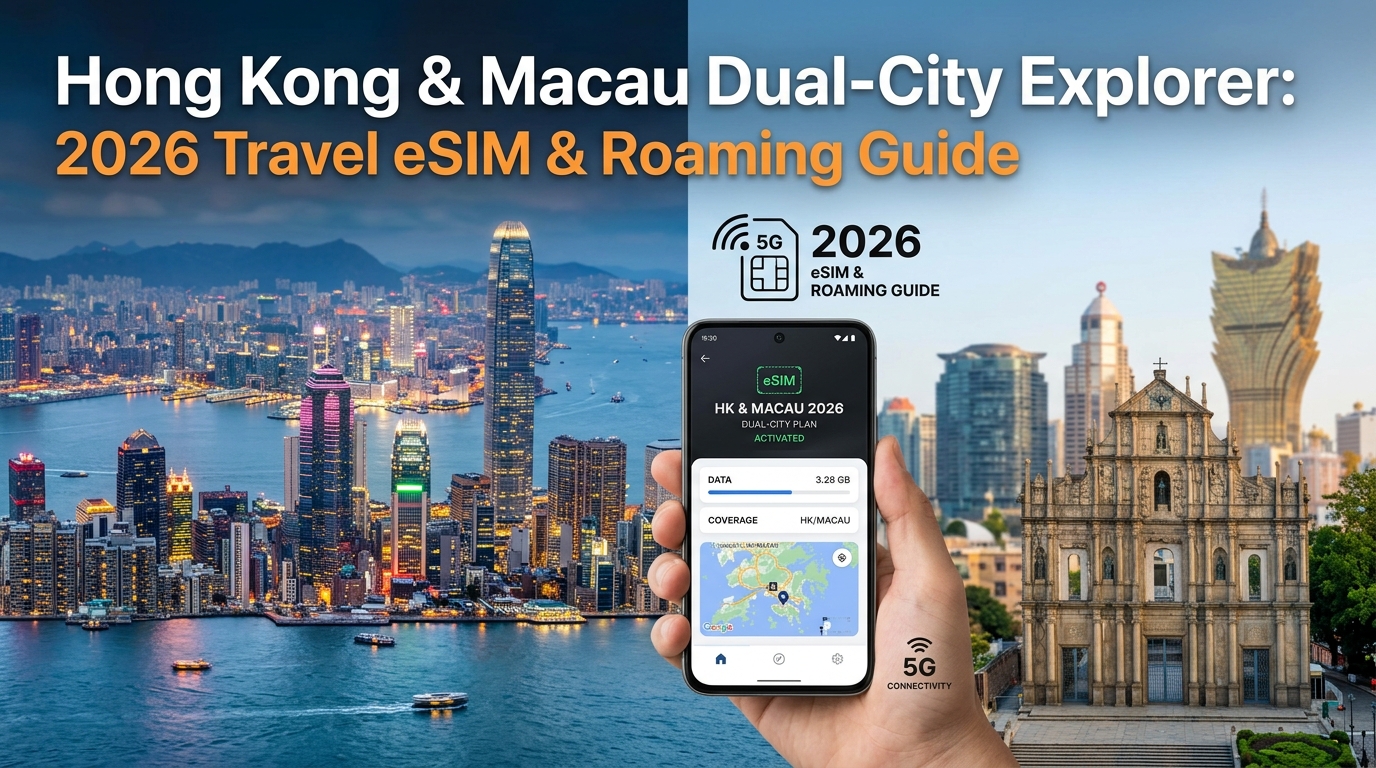
Матрица связи двух городов: особенности раздельных телеком-зон Гонконга и Макао
Разделенные всего 60 километрами дельты Жемчужной реки, Специальные административные районы (САР) Гонконг и Макао функционируют как независимые геополитические и экономические субъекты в рамках концепции «Одна страна, две системы». Хотя путешественники часто объединяют оба города в один непрерывный маршрут, их телекоммуникационные системы строго изолированы друг от друга.
Гонконг и Макао имеют полностью независимые телефонные коды стран (Гонконг: MCC 454/455; Макао: MCC 455), собственные регулирующие органы (OFCA в Гонконге и CTT в Макао) и локальные экосистемы операторов. Рынок Гонконга опирается на операторов первого уровня (Tier-1), таких как csl, SmarTone HK, CMHK и 3 HK, тогда как Макао обслуживают преимущественно CTM (Companhia de Telecomunicações de Macau), 3 Macau и SmarTone Macau.
Из-за этой жесткой цифровой границы стандартные локальные SIM-карты, купленные в Международном аэропорту Гонконга (HKG), мгновенно теряют сеть, как только ваш паром или автобус пересекает морскую границу. Без интегрированного кросс-граничного профиля вы рискуете оказаться в полной цифровой изоляции прямо при въезде на пропускные пункты.
+-------------------+       +-----------------------+       +-------------------+
|  Гонконг (САР)    |  -->  |   Транзитный коридор  |  -->  |    Макао (САР)    |
|  MCC: 454         |       | (HZMB / Дельта-паромы)|       |    MCC: 455       |
|  Регулятор: OFCA  |       | Межбазовый хэндовер   |       |  Регулятор: CTT   |
+-------------------+       +-----------------------+       +-------------------+
Транзитные коридоры: переключение сигналов на мосту и морских маршрутах
Перемещение между Гонконгом и Макао проходит по специализированным транспортным коридорам, где мобильный сигнал подвергается постоянной смене вышек и серьезному затуханию:
- Мост Гонконг — Чжухай — Макао (HZMB): 55-километровый комплекс мостов и эстакад через пролив Линдинъян включает 6,7-километровый подводный тоннель, соединенный двумя искусственными островами. Во время поездки на шаттле («Золотой автобус» / Golden Bus) устройство вынуждено непрерывно переключаться между микросотами Гонконга, вышками материкового Китая вдоль морской границы с Чжухаем и прибрежными базовыми станциями Макао. Смартфоны без настроек IMSI для двух регионов часто зависают в бесконечном поиске сети внутри подводного тоннеля.
- Скоростные паромные маршруты (Cotai Water Jet и TurboJET): Скоростные катамараны, отправляющиеся от паромного терминала Гонконг-Макао в Сёнване (Sheung Wan) или терминала Чайна-Ферри в Цим Ша Цуй (Tsim Sha Tsui) к терминалам Outer Harbour или Taipa в Макао, около 30 минут идут вне зоны прямой видимости береговых вышек. В середине пути сигнал резко затухает, создавая оффшорный радиовакуум.
| Транзитный маршрут | Главная проблема со связью | Последствия для путешественника |
|---|---|---|
| Шаттл HZMB («Golden Bus») | Пограничные хэндоверы; затухание сигнала в тоннеле | Обрыв связи при сканировании билетов; сбой GPS-навигации |
| Cotai Water Jet / TurboJET | Затухание сигнала посреди дельты Жемчужной реки | Невозможность заранее заполнить электронные декларации въезда |
| Пересечение гавани (Гонконг) | Перегрузка микросот в подводных тоннелях | Потеря пакетов данных в часы пик |
Реальные риски внезапного отключения связи в пути
Потеря мобильного интернета во время транзита — это не просто неудобство, а прямая угроза базовым сценариям поездки:
- Задержки на иммиграционном и таможенном контроле: Пограничный контроль Макао требует от нерезидентов предоставления электронных записей о прибытии и въездных талонов. Сбой интернета в залах контроля Тайпы или терминала HZMB Port заблокирует вас перед стойками e-Channel или очередями ручного досмотра.
- Проблемы с навигацией и бронированием транспорта: Транспортная инфраструктура Макао во многом опирается на наличные или локальные мобильные платежи. Приложения вроде Macau Radio Taxi и локальные карты перестанут работать сразу после высадки на берег, если телефон не поймает сеть.
- Задержки из-за некорректной маршрутизации трафика: Бюджетные роуминг-профили часто перенаправляют трафик из Макао через устаревшие прокси-серверы в Европе или Северной Америке, увеличивая задержку (ping) до 600+ мс, что делает навигационные приложения в реальном времени неработоспособными.
Чтобы избежать этих проблем, современный профиль для путешествий должен поддерживать автоматическое переключение между сетями под юрисдикцией OFCA и CTT. Премиальные провайдеры с поддержкой двух регионов, такие как MollySIM, исключают задержки благодаря прямой локальной маршрутизации трафика (local-breakout) в обеих юрисдикциях. Кроме того, когда стандартные операторы снижают скорость до неприменимых 128 кбит/с после исчерпания основного пакета, MollySIM удерживает честный базовый лимит FUP на уровне 384 кбит/с. Это втрое выше среднерыночных показателей и гарантирует непрерывную работу критически важных сервисов — Google Maps, Apple Pay и мессенджеров — на всем протяжении коридора Большого залива.
Под капотом: сетевой хэндшейк между CSL/SmarTone и CTM
🇭🇰 CSL / Club SIM Hong Kong High-Speed Travel eSIM & SIM Plans
Instant QR code activation, hotspot enabled, with guaranteed 384kbps fallback speed to keep Maps & Digital Wallets active.
Поддержание непрерывного интернет-соединения между Гонконгом и Макао требует сложного межоператорского взаимодействия на уровне модема устройства. Хотя два САР разделяет менее 60 км через эстуарий Жемчужной реки, они подчиняются разным регуляторам: Управлению по связям Гонконга (OFCA) и Управлению почты и телекоммуникаций Макао (CTT). Из-за этого при пересечении морской границы или проезде по мосту HZMB устройство должно выполнять полный хэндовер между идентификаторами сетей PLMN (Public Land Mobile Network).
Распределение спектра частот и опорная инфраструктура
Гонконг и Макао используют различные топологии сетей радиодоступа (RAN). В Гонконге операторы Tier-1 (CSL/HKT, SmarTone, CMHK и 3 Hong Kong) развернули плотную сетку частот FDD-LTE и 5G New Radio (NR). Для обеспечения высокой скорости в городе задействованы диапазоны Band 3 (1800 МГц) и Band 7 (2600 МГц), а Band 8 (900 МГц) и Band 28 (700 МГц) отвечают за проникновение сигнала сквозь плотную монолитную застройку и тоннели метро (MTR). Сети 5G работают на флагманском диапазоне n78 (3,5 ГГц) в зонах высокой нагрузки и n1 (2100 МГц) для покрытия больших площадей через DSS (Dynamic Spectrum Sharing).
В Макао телеком-инфраструктура держится на операторе CTM (Companhia de Telecomunicações de Macau), обладающем крупнейшей магистральной оптоволоконной сетью и максимальным покрытием 5G, наряду с 3 Macau и SmarTone Macau. Сеть CTM оптимизирована под экстремально высокую плотность абонентов вокруг курортных комплексов Котай (Cotai Strip) и в историческом центре, сочетая высокочастотный диапазон n78 с LTE Band 3 и 7.
| Параметр / Метрика | Операторы Гонконга Tier-1 (CSL / SmarTone) | Лидеры Макао (CTM / 3 Macau) |
|---|---|---|
| Код страны ITU (MCC) | 454 | 455 |
| Основные диапазоны LTE | Band 3 (1800), Band 7 (2600), Band 8 (900), Band 28 (700) | Band 1 (2100), Band 3 (1800), Band 7 (2600), Band 8 (900) |
| Основные диапазоны 5G NR | n78 (3,5 ГГц), n1 (2100 МГц), n28 (700 МГц) | n78 (3,5 ГГц), n1 (2100 МГц) |
| Ключевые пограничные узлы | Восточный искусственный остров HZMB, вертодром Shun Tak | HZMB Macau Port, паромный терминал Taipa |
Механика межоператорского переключения PLMN
Во время движения на автобусе HZMB или пароме TurboJET уровень мощности сигнала базовой станции Гонконга (PLMN 454-00 для CSL или 454-06 для SmarTone) падает ниже допустимого порога мощности принимаемого сигнала (RSRP < -115 дБм). В этот момент модем устройства начинает цикл повторного выбора соты для поиска сетей с кодом Макао (MCC 455).
+-----------------------------------------------------------------------------------+
|                        ПРОЦЕСС ТРАНСГРАНИЧНОГО ПОДКЛЮЧЕНИЯ                        |
+-----------------------------------------------------------------------------------+
| 1. Триггер отключения : Падение RSRP ниже порогового значения в сети Гонконга (454-xx)|
| 2. Сканирование эфира : Модем сканирует частоты B3/B7/n78 в поисках PLMN Макао (455-xx)|
| 3. Сигнальный обмен   : Запрос на обновление местоположения (Location Update) в CTM/3 |
| 4. IMSI-аутентификация: Партнер по роумингу сверяет профиль с базами HLR/HSS         |
| 5. Создание сессии    : Запуск туннеля GTP-U для передачи пользовательских данных |
+-----------------------------------------------------------------------------------+
На дешевых туристических SIM-картах в этот момент часто происходит зависание IMSI-аутентификации. Если брокер роуминга не обновил таблицы управления роумингом (SoR), устройство продолжает циклично стучаться в недоступные каналы или ожидает сброса таймеров (например, периодического обновления местоположения T3212) перед тем, как принять новую сеть PLMN. В результате пользователь остается без связи прямо в очереди на паспортный контроль.
Региональные протоколы маршрутизации против потери пакетов
Качество соединения после регистрации в сети зависит от архитектуры опорной сети (Core Network):
- Архитектура S8 Home Routed (S8HR): Бюджетные провайдеры пересылают все пакеты данных из Макао на домашний шлюз (PGW/UPF) в Северной Америке, Европе или Юго-Восточной Азии и только потом возвращают их на экран смартфона. Это создает чудовищный пинг более 500 мс, вызывая сбои TLS-хэндшейка и массовую потерю пакетов при смене вышек.
- Локальный выход в интернет (Local-Breakout / LBO) и прямой региональный пиринг: Премиальные профили подключаются к узлам User Plane Function (UPF), размещенным в дата-центрах Азиатско-Тихоокеанского региона (например, Equinix HK или Mega-i). Сигнальные туннели GTP-U аутентифицируются через локальные регистры HLR, снижая круговую задержку до значений менее 30 мс по обе стороны дельты.
Решения, разработанные специально для района Большого залива, такие как MollySIM, используют прямые региональные каналы передачи данных. Это обеспечивает автоматическую и практически мгновенную регистрацию устройства при переходе от гонконгских сетей 454-xx к инфраструктуре CTM (455-01) в Макао. Кроме того, если вы исчерпаете лимит скоростного интернета в дороге, MollySIM сохранит надежный порог скорости на уровне 384 кбит/с в рамках политики добросовестного использования (FUP). Этот показатель втрое превышает стандартный лимит индустрии (128 кбит/с), предотвращая разрыв соединений и гарантируя достаточную пропускную способность для бесконтактной оплаты (Apple Pay / Google Wallet), загрузки въездных документов и отрисовки векторных карт без необходимости экстренной перезагрузки сети.
Законодательные барьеры: законы об обязательной регистрации абонентов (RNR) против туристических роуминговых eSIM
При подключении к мобильной связи в САР путешественники сталкиваются с двумя строгими правовыми системами. И Гонконг, и Макао законодательно упразднили анонимные SIM-карты, внедрив обязательную верификацию личности пользователей. Понимание этих требований — и того, как международный роуминг легально освобождает от них, — поможет избежать серьезных задержек по прибытии.
Сложности местной верификации: требования регуляторов OFCA (ГК) и CTT (Макао)
Путешественникам, покупающим местные предоплаченные SIM-карты в киосках аэропорта Гонконга (HKIA) или терминала Outer Harbour в Макао, приходится проходить обязательную процедуру проверки личности (KYC):
- Регистрация по реальному имени OFCA (Гонконг): Согласно закону Telecommunications (Registration of SIM Cards) Regulation, все местные физические SIM и eSIM-профили, использующие коды Гонконга (454-xx), должны регистрироваться в базе Управления по связям (OFCA). Для этого требуется отсканировать страницу загранпаспорта, пройти биометрическую проверку лица (liveness check) и дождаться проверки системой распознавания (OCR) или оператором вручную.
- Идентификация абонентов CTT (Макао): Согласно закону Макао О кибербезопасности, контролируемому CTT, любая предоплаченная карта должна быть привязана к подтвержденному документу государственного образца до того, как вышка (CTM, 3 Macau или SmarTone Macau) пропустит хотя бы один байт данных.
Для туриста это создает замкнутый круг: вам нужен интернет, чтобы открыть портал верификации и активировать только что купленную SIM-карту, через которую вы и планировали выйти в сеть. Если система OCR даст сбой из-за бликов на фото паспорта или нестандартного шрифта, проверка может затянуться от 15 минут до нескольких часов, оставив вас без навигации и связи.
Юридическая основа: почему туристические роуминговые eSIM не требуют регистрации
Международные туристические eSIM не подпадают под действие местных законов об обязательной регистрации благодаря глобальным межоператорским соглашениям GSMA о входящем роуминге (Inbound Roaming Agreements).
┌─────────────────────────┐         ┌──────────────────────────┐
│  Гостевой роумер (eSIM) │  ───►   │ Сеть радиодоступа (RAN)  │
└─────────────────────────┘         │ (HKT / 3 HK / CTM Macau) │
                                    └─────────────┬────────────┘
                                                  │ (Сигнализация GTP-U)
                                                  ▼
                                    ┌──────────────────────────┐
                                    │ Ядро домашней сети / UPF │
                                    │ (Вне юрисдикции OFCA/CTT)│
                                    └──────────────────────────┘
Полномочия регуляторов OFCA и CTT распространяются исключительно на местных операторов связи, выдающих локальные абонентские профили. Когда смартфон подключается через международный профиль, он регистрируется как иностранный роумер с идентификатором IMSI сторонней страны (например, Сингапура, стран ЕС или Великобритании).
Поскольку договор на обслуживание заключен с зарубежным оператором, а не с местным держателем лицензии САР, соединение регулируется международными оптовыми договорами. Вы получаете полноценный и мгновенный доступ в интернет без передачи паспорта, биометрии и личных данных в государственные реестры.
Сравнение: локальные предоплаченные SIM против туристических роуминговых профилей
| Характеристика / Параметр | Локальная предоплаченная SIM-карта САР | Двухрегиональная туристическая eSIM |
|---|---|---|
| Проверка личности (KYC) | Обязательно: загрузка паспорта + селфи-проверка | Без KYC: документы и личные данные не требуются |
| Время до первого выхода в сеть | От 15 до 120+ минут (ожидание OCR/ручной проверки) | Мгновенно: подключение к сети за 30–60 секунд |
| Зона покрытия | Раздельная (нужно проходить две независимые регистрации) | Единая (автопереключение между вышками ГК и Макао) |
| Конфиденциальность данных | Данные хранятся в базах операторов и ведомств | Данные сессии шифруются в защищенном роуминг-туннеле |
| Исчерпание пакета трафика | Полное отключение (нужен доступ к порталу пополнения) | Непрерывный доступ со снижением скорости (лимит FUP) |
Безопасность и удобство на границе
Подключение к публичным сетям Wi-Fi в терминалах моста HZMB или на паромах TurboJET и Cotai Water Jet сопряжено с угрозами безопасности. Незашифрованные или слабозащищенные публичные сети уязвимы для перехвата трафика (SSL stripping), сниффинга пакетов и поддельных точек доступа.
Автоматический сервис роуминга, такой как MollySIM, нивелирует эти риски, формируя зашифрованный туннель передачи данных сразу в момент причаливания судна или заезда автобуса в терминал. Так как профиль не требует очередей на верификацию личности, ваш телефон сохраняет стабильный доступ к сети на всем протяжении пограничной зоны.
Даже если основной пакет скоростного интернета закончится до заселения в отель, базовая скорость MollySIM по политике FUP (384 кбит/с) обеспечит втрое большую пропускную способность, чем стандартные 128 кбит/с. Этого гарантированно хватит для подтверждения онлайн-платежей (Apple Pay / Google Wallet), построения маршрутов в метро (MTR) и общения в мессенджерах без необходимости рисковать безопасностью в сомнительных Wi-Fi сетях или тратить время на государственную регистрацию.
Сравнительный анализ решений для связи в поездке по двум городам
Организация мобильной связи в регионе дельты Жемчужной реки требует учета регуляторных норм, специфики переключения частот и совокупных расходов. Пересекая границу между зоной ответственности Управления по связям Гонконга (OFCA) и Управления почты и телекоммуникаций Макао (CTT), путешественники сталкиваются с разными техническими условиями.
В таблице ниже детально сопоставлены технические параметры, возможные сложности и финансовые затраты для пяти основных способов подключения по маршруту Гонконг — Макао в 2026 году.
| Параметр | Комплект локальных физических SIM (ГК + Макао) | Аренда карманного Wi-Fi роутера | Роуминг от домашнего оператора | Стандартные одностраничные eSIM | Двухрегиональная eSIM от MollySIM |
|---|---|---|---|---|---|
| Регистрация по паспорту (RNR) | Обязательно 2 раза (две раздельные проверки документов) | Проверка паспорта на стойке аренды | Не требуется (списание с домашнего счета) | Зависит от тарифа (часто требуется для местных профилей) | Регистрация не требуется (международный профиль) |
| Задержка переключения на HZMB / пароме | 5–15 мин (ручная замена физической SIM-карты) | 1–3 мин (роутер заново авторизуется в PLMN) | От мгновенного до 2 мин (автоматический хэндшейк) | 3–8 мин (ручное переключение в настройках ОС) | Менее 60 секунд (автоматический хэндшейк опорной сети) |
| Динамическое переключение между сетями | Нет (привязка к одному купленному оператору) | Ограничено (зависит от настроек SIM в роутере) | Ограничено (один партнер по роумингу в регионе) | Ограничено (одна закрепленная сеть на территорию) | Динамическое (переключение между сетями Tier-1) |
| Удержание сигнала в морском коридоре | Нестабильное (обрывы вне зоны береговых вышек) | Среднее (зависит от мощности антенны роутера) | Нестабильное (быстрый разряд батареи при поиске сети) | Нестабильное (из-за консервативных настроек PLMN) | Оптимизированное (приоритетное подключение к морским сотам) |
| Минимальная скорость после исчерпания (FUP) | Полное отключение или 64–128 кбит/с | 128 кбит/с (делится на все устройства) | 128 кбит/с (стандартный лимит международного роуминга) | 64–128 кбит/с | 384 кбит/с (в 3 раза быстрее стандарта) |
| Аппаратные требования | Скрепка для SIM-лотка, хранение сменных nano-SIM | Устройство весом 200–400 г + пауэрбанк + кабели | Не требуются | Не требуются | Без физических носителей (чистый профиль eUICC) |
| Средняя стоимость в день (оценка 2026 г.) | $7.00 – $11.00 USD (сумма за две отдельные карты) | $8.00 – $14.00 USD (аренда + риск потери депозита) | $10.00 – $18.00 USD (международные пакеты на день) | $4.50 – $7.00 USD (покупка двух отдельных пакетов) | $2.00 – $3.80 USD (единый региональный тариф) |
Анализ скрытых сложностей при трансграничных поездках
Использование связки из двух физических SIM-карт или аренда карманных роутеров создают заметные неудобства на маршруте между Гонконгом и Макао:
- Проблема обязательной регистрации: Покупка локальных физических карт требует загрузки документов на два разных государственных портала в соответствии с законами Гонконга и Макао. Если система не распознает лицо или данные паспорта, связь пропадет именно тогда, когда вам понадобятся билеты на транспорт или таможенные QR-коды.
- Задержки при переключении сетей: Во время движения по проливу Линдинъян на TurboJET или по мосту HZMB зона прямой видимости базовых станций стремительно меняется. Физические SIM-карты требуют неудобной замены лотка на ходу, а обычные одностраничные eSIM — ручного переключения в настройках смартфона, что неизбежно прерывает голосовые звонки и сбрасывает навигацию.
Минимальная скорость: почему лимит FUP определяет реальную пользу
Ключевое отличие современных сетей для путешествий — это не просто пиковая скорость 5G, а порог снижения скорости в рамках политики честного использования (Fair Use Policy, FUP). Обычные туристические eSIM и роуминг-пакеты операторов после исчерпания трафика урезают скорость до 64–128 кбит/с. На практике канал 128 кбит/с не справляется с очередью пакетов: протоколы TLS сбрасываются по тайм-ауту, в результате чего перестают генерироваться токены Apple Pay, не загружаются карты Google Maps и зависает вызов такси в приложениях (Uber HK или Macau Radio Taxi).
Благодаря поддержанию гарантированного порога 384 кбит/с по FUP, MollySIM гарантирует, что даже при исчерпании лимита скоростного трафика пропускной способности хватит для:
- Криптографических транзакций и онлайн-оплаты (Apple Wallet, Google Pay, Alipay HK).
- Построения маршрутов и подгрузки слоев транспорта в реальном времени в Apple Maps и Google Maps.
- Сквозного шифрования в мессенджерах, отправки сжатых фото и голосовых сообщений (WhatsApp, WeChat, Signal).
Сочетание динамического переключения между топовыми сетями региона и автоматического бесшовного роуминга избавляет от любых неудобств при поездках между Гонконгом и Макао, обеспечивая стабильную связь от гавани Виктория до Котай Стрип.
Преимущества MollySIM: двойные региональные профили и базовая скорость 384 кбит/с при лимитах FUP
Поездка по дельте Жемчужной реки требует связи, способной выдерживать мгновенную смену операторских зон и высокий расход интернет-трафика. В то время как классические тарифы рассматривают Гонконг и Макао как две изолированные зоны тарификации, MollySIM предлагает интегрированный мультисетевой профиль, оптимизированный под единую инфраструктуру района Большого залива.
Автоматический хэндшейк: CSL, SmarTone и CTM
Перемещение между Гонконгом и Макао сопровождается резкой сменой радиочастотной среды. В условиях плотной высотной застройки Гонконга и на подземных станциях метро MTR интеллектуальный мультисетевой профиль MollySIM подключается к главным операторам первого уровня — CSL и SmarTone. Это гарантирует максимальное покрытие как в подземных переходах станции Central, так и на пеших маршрутах Dragon's Back.
🇭🇰 CSL / Club SIM Hong Kong High-Speed Travel eSIM & SIM Plans
Instant QR code activation, hotspot enabled, with guaranteed 384kbps fallback speed to keep Maps & Digital Wallets active.