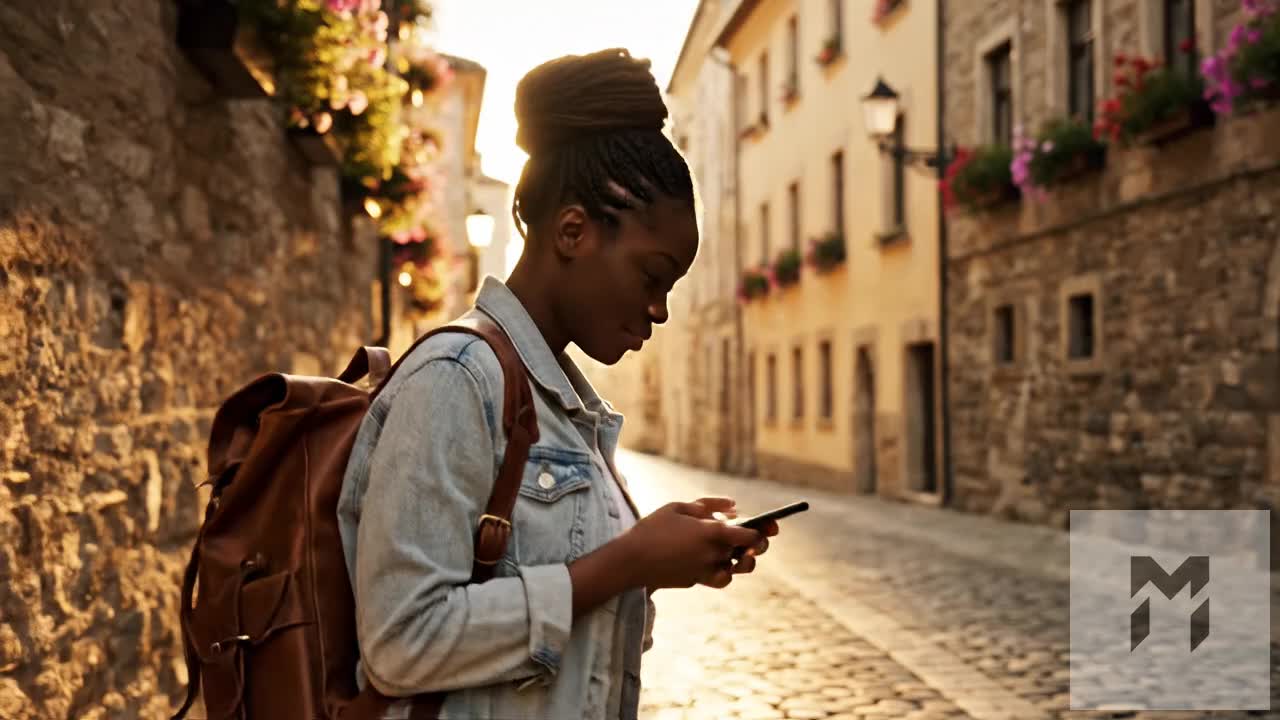
منظومة النقل اليابانية الحديثة: إتقان استخدام بطاقات IC الرقمية وبطاقة Suica على Apple Wallet
تغيرت تجربة التنقل عبر شبكة السكك الحديدية في اليابان—بما في ذلك طوكيو، وكيوتو، وأوساكا—تماماً، حيث تم الاستغناء كلياً عن شراء التذاكر الورقية أو البحث المضني عن بطاقات IC السياحية الفعلية النادرة مثل Welcome Suica أو Pasmo Passport. في عام 2026، أصبحت إدارة بطاقة IC رقمية (مثل Suica أو PASMO أو ICOCA) مباشرة من هاتفك الذكي هي المعيار الأساسي للتنقل السلس، والشراء من آلات البيع الذاتية، والتسوق من متاجر الميني ماركت اليابانية (konbini).
إن فهم البنية التقنية لبطاقات IC على الهواتف المحمولة—وتأمين اتصال دائم ومستقر بالإنترنت لإدارتها—هو الفارق الحقيقي بين المرور بسلاسة عبر بوابات التذاكر وبين التسبب في ازدحام مروري خانق للركاب.
مقارنة بين Apple Wallet وAndroid: معمارية تقنية FeliCa
المحرك الأساسي الذي يشغّل منظومة النقل اليابانية هو معيار FeliCa (NFC-F) المطور من شركة سوني، والذي يعالج عمليات الدفع باللمس في أقل من 100 مللي ثانية—وهو أسرع بكثير من معيار NFC القياسي (Type-A/B) المستخدم في المدفوعات اللاتلامسية الغربية.
- مستخدمو iPhone: يتضمن كل طراز iPhone بدءاً من iPhone 8 دعماً عتادياً شاملاً لتقنية FeliCa. لن تحتاج إلى تنزيل تطبيق تابع لجهة خارجية أو تسجيل حساب Apple ID ياباني. يمكنك إصدار بطاقة Suica أو PASMO أو ICOCA رقمية جديدة تماماً ومباشرة داخل تطبيق Apple Wallet في غضون ثوانٍ.
- مستخدمو Android: تفتقر معظم أجهزة Android التي يتم شراؤها خارج اليابان إلى التكامل العتادي والبرمجي الأساسي لتقنية Osaifu-Keitai اللازمة لمحاكاة بطاقات FeliCa، مما يمنع إنشاء بطاقات IC مدمجة داخل Google Wallet. يتعين على المسافرين الذين يستخدمون أجهزة Android غير يابانية الاعتماد على البطاقات الفعلية أو استخدام نظام التذاكر المحمول SmartEX عبر بطاقات الائتمان العادية لمسارات الشينكانسن.
خطوة بخطوة: إضافة وتفعيل بطاقة IC الرقمية على نظام iOS
يستغرق إعداد بطاقة Suica أو PASMO الرقمية أقل من دقيقتين مباشرة من داخل نظام iOS:
افتح Apple Wallet ➔ اضغط على "+" (أعلى اليمين) ➔ اختر "بطاقة مواصلات"
➔ ابحث عن "Japan" ➔ اختر Suica أو PASMO أو ICOCA ➔ حدد مبلغ الرصيد
➔ أكمل الدفع عبر Apple Pay ➔ فعّل وضع "بطاقة المواصلات السريعة" (Express Transit)- تفعيل وضع بطاقة المواصلات السريعة (Express Transit Mode): انتقل إلى الإعدادات > Wallet و Apple Pay > بطاقة المواصلات السريعة وحدد بطاقة Suica الخاصة بك. يتيح لك ذلك لمس قارئات البوابات دون الحاجة إلى إلغاء قفل iPhone أو تفعيل بصمة الوجه (Face ID) أو حتى إضاءة الشاشة—حتى لو نفدت بطارية هاتفك ودخلت في وضع توفير الطاقة الاحتياطي.
عقبة بطاقات الدفع الأجنبية: Visa في مواجهة Mastercard و AMEX
في حين أن إضافة البطاقة عملية سهلة ومباشرة، إلا أن إعادة شحن الرصيد باستخدام بطاقات الائتمان الدولية يواجه أحياناً بعض العقبات التقنية المرتبطة ببوابات الدفع اليابانية وبروتوكولات التحقق 3D Secure (3DS2):
| شبكة البطاقة | موثوقية الشحن (Apple Wallet) | الملاحظات وأفضل الممارسات |
|---|---|---|
| Mastercard | نسبة نجاح 99% | الشبكة الأكثر موثوقية لشحن بطاقات Suica/PASMO مباشرة من داخل المحفظة عبر جميع جهات الإصدار الدولية الرئيسية. |
| American Express | نسبة نجاح 95% | تتم معالجة العمليات بثبات دون إطلاق تنبيهات منع الاحتيال أو الوقوع في حلقات مصادقة 3DS المتكررة. |
| Visa | متغيرة / غير مستقرة | معرضة تاريخياً لرفض بوابات الدفع بسبب فلاتر مكافحة الاحتيال اليابانية الصارمة. إذا فشلت معاملة Visa، استخدم Mastercard/AMEX أو اشحن البطاقة نقداً عبر أكشاك التذاكر في المحطات المزودة بقواعد مخصصة للهواتف. |
عقبات بوابات العبور: لماذا يعتبر الاتصال الخلوي فائق السرعة أمراً حاسماً؟
تحدث أكثر حالات الطوارئ شيوعاً للمسافرين أثناء ساعات الذروة الصباحية في محطات النقل فائقة الازدحام مثل محطات شينجوكو، أو شيبويا، أو محطة طوكيو.
تلمس هاتفك بالقارئ، فتغلق البوابة فجأة وتومض شاشة LED باللون الأحمر معلنةً عن عدم كفاية الرصيد. مع وجود عشرات الركاب الذين يضغطون خلفك، يتعين عليك التنحي جانباً وشحن 1,000 ين ياباني على الفور لتتمكن من العبور.
في هذه اللحظة بالذات، لا يمكنك الاعتماد على شبكة Wi-Fi المجانية في المحطة؛ حيث تتطلب الشبكات العامة في المحطات اليابانية تسجيل الدخول عبر متصفح الويب وقبول شروط الاستخدام، كما ينقطع اتصالها بشكل متكرر بين الأرصفة الواقعة تحت الأرض.
لتنفيذ عملية شحن فورية عبر Apple Pay:
- يجب أن يرسل جهازك طلب رمز مميز ديناميكي (Token) إلى خادم الجهة المصدرة لبطاقتك.
- يجب أن تنجز بوابة الدفع عملية التحقق عبر بروتوكول 3D Secure.
- يجب أن ترسل خوادم Apple تحديث السجل الموقّع تشفيرياً إلى العنصر الآمن (Secure Element) في جهازك.
تتطلب هذه العملية بيانات هاتف محمولة مستمرة ومنخفضة التأخير. يضمن لك الاتصال عبر MollySIM الحفاظ على اتصال مباشر بعنوان IP محلي على شبكات LTE/5G التابعة لشركتي NTT Docomo وSoftBank، مما يكمل المعالجة البرمجية (API handshake) في أقل من ثانيتين.
علاوة على ذلك، حتى إذا استهلكت باقتك اليومية فائقة السرعة، فإن سرعة الاستخدام العادل (FUP) المتميزة من MollySIM والبالغة 384 كيلوبت في الثانية—وهي تعادل ثلاثة أضعاف سرعة 128 كيلوبت في الثانية المعتادة في السوق—تضمن لك إتمام عمليات خفيفة الوزن وحاسمة مثل ترميز Apple Pay والملاحة عبر Google Maps بسلاسة تامة دون احتجازك خلف بوابات العبور.
قطارات السكك الحديدية فائقة السرعة حسب الطلب: احتراف تطبيق SmartEX لقطارات الشينكانسن أثناء التنقل
🇯🇵 Japan High-Speed Travel eSIM & SIM Plans
Instant QR code activation, hotspot enabled, with guaranteed 384kbps fallback speed to keep Maps & Digital Wallets active.
كان التنقل عبر "المسار الذهبي" (طوكيو–ناغويا–كيوتو–أوساكا–هاكاتا) على متن قطارات توكايدو-سانيو-كيوشو شينكانسن يتطلب في السابق الوقوف في طوابير طويلة في مكاتب تذاكر JR (Midori-no-Madoguchi) أو التعامل مع قسائم ورقية معقدة. يتيح لك تطبيق SmartEX الرسمي التخلي التام عن التذاكر الورقية، والبحث في المواعيد، واختيار المقاعد بدقة عبر خرائط تفاعلية للعربات، وتعديل مواعيد المغادرة حتى أربع دقائق قبل انطلاق القطار دون أي رسوم إضافية.
المرور اللاتلامسي عبر البوابات: ربط تذاكر الشينكانسن ببطاقة Suica على Apple Wallet
الميزة الأقوى في تطبيق SmartEX هي إمكانية ربط حجوزات قطار الرصاصة فائق السرعة مباشرة ببطاقة IC الرقمية الخاصة بك. بمجرد ضبط هذا الإعداد، لن تحتاج أبداً للمس تذكرة ورقية:
- تحديد رقم بطاقة IC الافتراضية: افتح Apple Wallet، واختر بطاقة Suica أو Pasmo الرقمية، ثم اضغط على أيقونة (…)، وانسخ رقم البطاقة المكون من 17 رقماً (الذي يبدأ بـ
JE...أوPB...). - التسجيل في SmartEX: في إعدادات إدارة الركاب داخل تطبيق SmartEX، الصق هذا المعرّف في ملف المسافر الخاص بك.
- انتقال سلس: عند الانتقال من مترو طوكيو إلى بوابات توكايدو شينكانسن في محطة طوكيو أو شينجاوا، المس البوابة بهاتف iPhone الخاص بك. سيقوم قارئ IC بخصم أجرة المواصلات المحلية، ويتعرف على حجز الشينكانسن النشط في SmartEX والمرتبط بمعرف الجهاز، ويطبع تلقائياً قسيمة معلومات المقعد البيضاء الصغيرة (Shinkansen Toridashi-hyo) بينما تفتح البوابة فوراً.
بروتوكول الأمتعة الكبيرة الإلزامي (160 سم - 250 سم)
اعتباراً من مايو 2026، تطبق شركات JR Central و JR West و JR Kyushu قيوداً صارمة تلزم الركاب بالحجز المسبق للأمتعة ذات الحجم الكبير. إذا كان مجموع أبعاد حقيبتك (الطول + العرض + الارتفاع) يتراوح بين 160 سم و 250 سم، فلا يمكنك حملها معك مباشرة إلى القطار ووضعها على الرفوف العلوية.
| فئة الأمتعة | الأبعاد الكلية (الطول + العرض + الارتفاع) | متطلبات الحجز | عقوبة عدم الالتزام |
|---|---|---|---|
| أمتعة عادية | حتى 160 سم | لا يلزم حجز (توضع في الرفوف العلوية) | لا توجد |
| أمتعة كبيرة | 160 سم إلى 250 سم | إلزامي (اختيار مقعد محدد في الصف الأخير) | رسوم إضافية 1,000 ين + نقل الأمتعة بواسطة مراقب القطار |
| أمتعة محظورة | تتجاوز 250 سم | غير مسموح بها على قطارات الشينكانسن | رفض صعود القطار |
عند الحجز عبر تطبيق SmartEX، يجب تحديد خيار "Seat with an Oversized Baggage Area" (مقعد مزود بمساحة للأمتعة الكبيرة). تقع هذه المقاعد حصرياً في الصف الأخير من عربات معينة، مما يتيح وضع الحقائب بأمان في المساحة خلف مساند الظهر. ونظراً لأن هذه المقاعد تنفد قبل أيام من موعد الرحلة—خاصة في مواسم الذروة—فإن حجزها أثناء التنقل يتطلب اتصالاً فورياً ومستقراً بالإنترنت.
استقرار الاتصال وسرعة النقل أثناء السير بسرعة 285 كم/ساعة
يحتاج المسافرون باستمرار إلى تعديل خطط رحلاتهم على الشينكانسن أثناء التنقل—مثل تغيير موعد المغادرة أثناء استقلال سيارة أجرة في شوارع كيوتو المزدحمة، أو التحقق من توفر المقاعد أثناء السفر عبر ريف مقاطعة شيزوكا.
تعتمد شبكة Wi-Fi العامة على متن القطار (Shinkansen_Free_Wi-Fi) على محطات تقوية فضائية وأرضية كثيراً ما تحد من السرعة أو تقطع الاتصال تماماً عند مرور القطار عبر عشرات الأنفاق الجبلية بين شين-يوكوهاما وكيوتو. وإذا انقطع اتصال Wi-Fi أثناء عملية الدفع والتحقق عبر 3D-Secure في SmartEX، فقد تتجمد عملية الحجز وتُحجز المقاعد لمدة تصل إلى 30 دقيقة دون تأكيدها.
تتجاوز شريحة eSIM المخصصة من MollySIM شبكات Wi-Fi المشتركة غير المستقرة من خلال الحفاظ على اتصال مباشر وعالي الجودة بأبراج شبكتي NTT Docomo وSoftBank. وتضمن خوارزميات التبديل المتقدمة بين الأبراج بقاء جلسة IP الديناميكية مستقرة حتى عندما تصل سرعة قطار الرصاصة إلى سرعتها القصوى البالغة 285 كم/ساعة. بالإضافة إلى ذلك، إذا استنفدت باقتك اليومية، تضمن لك سرعة MollySIM الأساسية البالغة 384 كيلوبت في الثانية وفق سياسة الاستخدام العادل تحميل صفحات الدفع المشفرة (SSL) وخرائط اختيار المقاعد في SmartEX بثبات تام ودون انقطاع.
الترجمة الفورية في المتاجر والصيدليات: تشغيل تطبيق Payke والتعرف الضوئي على الحروف بالواقع المعزز (AR OCR) في الوقت الفعلي
يعد التسوق في المتاجر اليابانية تجربة بصرية مذهلة، لكنه يمثل تحدياً كبيراً لغير الناطقين باللغة اليابانية. سواء كنت تتجول في المتاهة متعددة الطوابق لمتجر Mega Don Quijote، أو تبحث عن منتجات العناية بالبشرة الشهيرة في Matsumoto Kiyoshi وSundrug، أو تختار الإلكترونيات المعفاة من الضرائب في Bic Camera، أو تشتري وجبة خفيفة من 7-Eleven أو Lawson أو FamilyMart، فإن أغلفة المنتجات تعتمد بالكامل تقريباً على حروف الكانجي والهيراغانا والكاتاكانا المعقدة.
بالنسبة للمسافرين الذين يتبعون حميات غذائية معينة، أو يعانون من حساسية الطعام، أو يحتاجون إلى أدوية محددة، فإن التخمين ليس خياراً متاحاً. إن فك رموز الأدوية التي تُصرف بدون وصفة طبية (مثل الأدوية من الفئة 2 مقابل الفئة 3)، ومكونات مستحضرات التجميل الفعالة، ومسببات الحساسية الخفية (مثل الحنطة السوداء، والصويا، والجيلاتين) يتطلب ترجمة رقمية فورية وموثوقة.
تطبيق Payke: الماسح الضوئي الأساسي لباركود المنتجات اليابانية
في حين تحاول تطبيقات الترجمة عبر الكاميرا تحليل النصوص بصرياً، يعتمد تطبيق Payke على أرقام المنتجات اليابانية (JAN)—وهي رموز باركود قياسية من نوع EAN-13 تُطبع على المنتجات المحلية.
عند مسح باركود أي منتج، يرسل Payke طلباً فورياً عبر واجهة برمجة التطبيقات (API) إلى قاعدة بياناته السحابية التي تضم أكثر من 400,000 منتج ياباني مفهرس. وخلال أجزاء من الثانية، يعرض التطبيق تفاصيل المنتج مترجمة بدقة إلى الإنجليزية، أو الصينية، أو الكورية، أو التايلاندية وغيرها.
نموذج البيانات المستلمة في Payke (بيانات JSON):
├── اسم المنتج (مترجم)
├── المكونات الفعالة والمواد المضافة
├── إرشادات الجرعة والاستخدام
├── تحذيرات الحساسية (7 مكونات إلزامية + 21 موصى بها في اليابان)
└── شهادات السلامة من الشركة المصنعة
على عكس الترجمة الآلية العادية—التي تخطئ غالباً في ترجمة الأعشاب اليابانية التقليدية (Kanpo) أو المصطلحات التسويقية—يقدم Payke إرشادات استخدام موثوقة وموانع استعمال معتمدة من الشركات المصنعة.
زمن الاستجابة السحابي وتحديات الترجمة المباشرة بالواقع المعزز (Live AR OCR)
عند التعامل مع منتجات غير مفهرسة، أو مكونات وجبات البينتو الطازجة في متاجر الميني ماركت، أو اللوحات الإرشادية المعقدة، يلجأ المسافرون إلى أدوات الترجمة بالواقع المعزز (AR) الفورية مثل Google Lens وDeepL.
تعد الترجمة المرئية المباشرة بالواقع المعزز من أكثر العمليات استهلاكاً لبيانات الإنترنت وحساسية لزمن الاستجابة:
- استخراج الإطارات: تلتقط كاميرا الهاتف الذكي إطارات فيديو مستمرة بمعدل 30 إلى 60 إطاراً في الثانية.
- التعرف الضوئي على الحروف (OCR): تفصل الخوارزميات الكتل النصية وترسل بيانات التحديد إلى نماذج الترجمة البعيدة.
- الترجمة الآلية العصبية (NMT): يترجم المحرك السحابي العبارات بناءً على السياق.
- العرض المكاني: يُعرض النص المترجم فوق الفيديو المباشر في نفس اللحظة، مع مطابقة الأبعاد والخطوط ولون الخلفية.
إذا عانى اتصالك من تذبذب في السرعة أو ارتفاع في زمن الاستجابة (>150ms) أو فقدان في حزم البيانات، فستتوقف ميزة الواقع المعزز أو تظهر رسالة "تعذر الاتصال بالخادم"، مما يجبرك على تثبيت الكاميرا أمام الرف لمدة 10–15 ثانية لكل منتج.
التغلب على المناطق المنقطعة تحت الأرض بفضل التغطية المتقدمة
يقع جزء كبير من المتاجر الكبرى في اليابان تحت مستوى سطح الأرض؛ حيث تعمل الفروع الرئيسية لمتجر Don Quijote (مثل فروع شيبويا أو شينجوكو متعددة الطوابق)، وسلاسل الصيدليات، والأسواق المرتبطة بالمحطات (مثل First Avenue في محطة طوكيو أو Umeda Underground Mall في أوساكا) في الطوابق السفلية (من B1 إلى B3).
تعمل هذه الأماكن المحاطة بالخرسانة كحواجز مانعة للإشارة. كما أن شبكات Wi-Fi العامة في هذه الطوابق السفلية غير موثوقة إطلاقاً—بسبب كثرة المستخدمين على بوابات تسجيل الدخول، والجدران النارية التي تحظر واجهات برمجة تطبيقات الترجمة، ووجود مناطق ميتة تنعدم فيها التغطية بين الممرات.
| ميزة الاتصال | شبكة Wi-Fi العامة داخل المتجر | شرائح التجوال التقليدية | شريحة MollySIM اليابان |
|---|---|---|---|
| اختراق الطوابق السفلية | ضعيف (انقطاع الإشارة بين الممرات) | متوسط (مسارات تجوال غير مثالية) | عالي جداً (تردد Docomo Band 19 / SoftBank Band 8) |
| زمن استجابة واجهة API | عالي / متذبذب (>300ms) | عالي (يمر عبر خوادم بلدك الأصلي) | منخفض جداً (اتصال إقليمي مباشر <40ms) |
| بث الواقع المعزز المباشر | تقطيع / انقطاع متكرر للاتصال | سقوط متكرر للإطارات | ثابت ومستمر عبر شبكات 5G/4G |
| السرعة بعد استهلاك الباقة | غير متوفر (انقطاع كامل) | 128 كيلوبت/ثانية (فشل ترجمة AR) | 384 كيلوبت/ثانية FUP (يحافظ على عمل استعلامات JSON/OCR) |
للحفاظ على سرعة مسح مستمرة، تتيح شريحة eSIM المخصصة من MollySIM الوصول المباشر إلى الترددات البلاتينية (أقل من 1 جيجاهرتز) التابعة لأكبر شبكات الاتصال في اليابان—تحديداً NTT Docomo (Band 19) وSoftBank (Band 8). تلتف هذه الترددات المنخفضة حول العوائق وتخترق الطوابق التجارية السفلية المحاطة بالخرسانة حيث تفشل شبكات Wi-Fi العامة.
بالإضافة إلى ذلك، إذا استهلكت باقتك اليومية عالية السرعة، فإن الحد الأدنى لسرعة الاستخدام العادل (FUP) من MollySIM البالغ 384 كيلوبت في الثانية—وهو ثلاثة أضعاف المعيار الشائع 128 كيلوبت في الثانية—يوفر نطاقاً ترددياً كافياً لمعالجة استعلامات الباركود الخفيفة لتطبيق Payke (بحجم 15–50 كيلوبايت) وترجمات Google Lens دون أي انقطاع أثناء الدفع.
مقارنة حلول الاتصال في 2026: شريحة eSIM مقابل جهاز Pocket Wi-Fi وشبكات Wi-Fi العامة والتجوال الدولي
يتطلب التنقل في شبكات النقل وتطبيقات السفر المعقدة في اليابان اتصال بيانات مستمراً ومنخفض التأخير. وبينما كان المسافرون يعتمدون سابقاً على أجهزة Pocket Wi-Fi الضخمة أو نقاط اتصال Wi-Fi المتقطعة بالمحطات، تتطلب تطبيقات السفر الحديثة مزامنة مستمرة للبيانات في الخلفية.
يقارن الجدول التالي بين طرق الاتصال الأربع الأساسية وفقاً لظروف الاستخدام الفعلي في اليابان:
| معيار التقييم | شريحة eSIM للسفر (MollySIM) | استئجار Pocket Wi-Fi | نقاط Wi-Fi العامة | التجوال الدولي |
|---|---|---|---|---|
| سهولة الإعداد | بدون أي تلامس فعلي: تثبيت فوري برمز QR أو عبر التطبيق على iOS/Android | صعبة: طوابير استلام في المطار وإعادة الجهاز لصناديق البريد | متوسطة/صعبة: تسجيل يدوي ببوابات الدخول كل 30–60 دقيقة | سهلة: تفعيل تلقائي عند الوصول |
| استهلاك بطارية الهاتف | مثالي: يتحكم مودم الهاتف المدمج في استهلاك الطاقة بذكاء | مرتفع: يستنزف الهاتف طاقته للبحث المستمر عن إشارة Wi-Fi | شديد جداً: بحث مستمر ومحاولات مصادقة في الخلفية | مثالي: تكامل مدمج عبر المودم الأصلي |
| حمل أجهزة إضافية | معدوم: مدمجة بالكامل داخل اللوحة الإلكترونية للهاتف | ثقيل: جهاز راوتر بوزن 150–200 غرام + بنك طاقة إضافي | معدوم: لا يتطلب أجهزة | معدوم: لا يتطلب أجهزة |
| زمن الاستجابة في المترو | فائق الانخفاض (<40ms): اتصال محلي مباشر عبر شبكات الدولة | متغير (60–120ms): مسار مزدوج من Wi-Fi إلى الشبكة الخلوية | يفشل تماماً: ينقطع بين الأرصفة والأنفاق | مرتفع (300–800ms): تمر البيانات عبر خوادم بلدك الأم |
| متوسط التكلفة لكل جيجابايت | الأوفر: باقات مسبقة الدفع مرنة ($1.20–$2.50 لكل جيجابايت) | تكلفة ثابتة مرتفعة: $6.00–$12.00 يومياً بغض النظر عن الاستهلاك | مجاني: تكلفة غير مباشرة تتعلق بالخصوصية والوقت | باهظ جداً: $10.00 يومياً كرسوم ثابتة أو رسوم مرتفعة للميجابايت |
| تعدد الشبكات المتاحة | شريحة متعددة المشغلين (Multi-IMSI): تبديل تلقائي بين Docomo و SoftBank | شبكة واحدة: مقيد بمزود خدمة واحد (غالباً SoftBank) | لا يوجد: نقاط وصول منفصلة ومتباعدة | مشغل محدد: مقيد باتفاقية تجوال واحدة |
العيوب الخفية للاعتماد على شبكات Wi-Fi العامة في اليابان
على الرغم من أن المدن الكبرى مثل طوكيو وأوساكا توفر شبكات بلدية مثل Japan Connected-free Wi-Fi إلى جانب نقاط الاتصال في المحطات والمقاهي، إلا أن الاعتماد عليها لإنجاز مهام السفر الأساسية يفرض عوائق تقنية كبيرة:
- انتهاء صلاحية جلسات تسجيل الدخول بسرعة: تجبرك شبكات Wi-Fi العامة في محطات مترو طوكيو ومتاجر الميني ماركت على إعادة المصادقة عبر المتصفح كل 30 إلى 60 دقيقة. وعند عبور بوابة التذاكر ببطاقة Suica الرقمية أو فتح رمز QR في SmartEX، يؤدي اعتراض بوابة الدخول إلى قطع اتصال TLS النشط، مما يسبب تأخير تحديث المحفظة وفشل العبور.
- مخاطر أمنية واسعة النطاق: تتيح نقاط Wi-Fi العامة غير المشفرة في محطات النقل المزدحمة للمتسللين إمكانية التجسس على حزم البيانات، وهجمات حجب الخدمة، وهجمات "رجل في المنتصف" (MITM).
- انقطاع الاتصال على متن قطارات الشينكانسن: تعتمد شبكة Wi-Fi على قطارات الشينكانسن على أبراج إرسال تتبع مسار القطار تنقطع إشارتها بشكل متكرر عند دخول الأنفاق السريعة بين شين-يوكوهاما
🇯🇵 Japan High-Speed Travel eSIM & SIM Plans
Instant QR code activation, hotspot enabled, with guaranteed 384kbps fallback speed to keep Maps & Digital Wallets active.