Caucasus Mountains eSIM Guide: Peak Connectivity for Hikers & Adventurers
Conquering the Caucasus: Why Reliable Connectivity is Your Ultimate Trekking Gear
The Caucasus Mountains, a majestic natural fortress straddling the crossroads of Europe and Asia, beckon adventurers with their untamed wilderness and breathtaking landscapes. Spanning Georgia, Armenia, and Azerbaijan, this region offers an unparalleled playground for hikers, climbers, and explorers. From the snow-capped peaks of Elbrus and Kazbek to the verdant valleys of Svaneti, the Caucasus promises an unforgettable journey. Yet, the very remoteness and rugged beauty that define this destination also present significant challenges, particularly concerning reliable connectivity.
The Connectivity Conundrum in Remote Terrain
Traditional connectivity methods often fall short in the vast, uninhabited stretches of the Caucasus. Physical SIM cards are difficult to acquire in remote villages, and even when found, offer notoriously patchy coverage with network towers scarce in deep valleys or at high altitudes. International roaming incurs exorbitant charges. Pocket Wi-Fi devices, while seemingly convenient, add bulk, require constant charging, and rely on the same limited local infrastructure, creating a single point of failure. For adventurers venturing off the beaten path, these limitations are more than an inconvenience; they pose genuine risks.
Connectivity: Your Essential Safety Net and Practical Companion
In an environment as dynamic and unpredictable as the Caucasus, reliable connectivity transcends mere convenience—it becomes an indispensable piece of your trekking gear.
Safety First: Emergency & Navigation
Imagine navigating a challenging trail when sudden fog rolls in or an unexpected turn leads you astray. Real-time GPS navigation and the ability to download crucial offline map updates become lifelines. Accessing current weather forecasts, checking trail conditions, or re-routing based on real-time information can prevent dangerous situations. More critically, in an emergency—an injury, getting lost, or unforeseen incident—the ability to make an emergency call or send a distress signal can be life-saving. Coordinating rescue efforts or reassuring loved ones demands a stable connection, especially in areas with limited human presence.
Practicalities: Local Insights & Seamless Travel
Beyond safety, reliable internet access streamlines travel practicalities. Accessing up-to-date information on local attractions, checking opening hours for mountain refuges, translating dialects, or booking last-minute guesthouses becomes effortless. For digital payments, a stable connection ensures smooth transactions. This is where MollySIM (https://mollysim.com) excels. MollySIM’s generous 384kbps Fair Use Policy speed limit is three times faster than many competitors' 128kbps limits. This ensures smooth functionality for essential apps like Google Maps for navigation updates and enables reliable use of Apple Pay or Google Pay for transactions, preventing frustrating delays.
Sharing the Adventure: Connecting with Loved Ones
Finally, the joy of conquering a challenging peak or discovering a hidden waterfall is amplified when shared. Reliable connectivity allows you to upload breathtaking photos and videos to social media, reassure loved ones, or even make a video call from a mountain top. These connections enrich the travel experience, transforming solitary adventures into shared memories.
eSIM: The Modern Solution for Caucasus Exploration
This is precisely where eSIM technology emerges as the modern, superior solution for Caucasus adventurers. Unlike traditional physical SIMs, an eSIM is embedded directly into your device, eliminating physical card swapping and the hunt for local vendors. Activated digitally, often pre-arrival, it ensures instant connectivity. eSIMs leverage robust roaming agreements, providing more stable and widespread coverage than a single local SIM, especially in challenging terrains. MollySIM, a leading provider tailored for the Caucasus, promises robust coverage where it matters most, ensuring your journey through these magnificent mountains is not only unforgettable but also safely and conveniently connected.
Navigating the Networks: A Deep Dive into Caucasus Mobile Operators
🇪🇺 Europe 33 Countries High-Speed Travel eSIM & SIM Plans
Instant QR code activation, hotspot enabled, with guaranteed 384kbps fallback speed to keep Maps & Digital Wallets active.
Exploring the majestic Caucasus Mountains demands not only physical preparedness but also reliable connectivity. Understanding the mobile network landscape in each country is crucial for ensuring you stay connected, whether for navigation, emergencies, or sharing your adventures. Unlike a single local SIM that ties you to one provider's infrastructure, a regional eSIM like MollySIM strategically partners with the leading operators across the region, offering unparalleled flexibility and coverage.
Georgia: GeoCell and MagtiCom
In Georgia, the mobile market is primarily dominated by two major players: MagtiCom and GeoCell. Both offer excellent 4G/LTE coverage in urban centers like Tbilisi and Batumi, and generally good service in major towns and along main highways. However, their performance can diverge significantly in the more challenging, high-altitude terrain and remote villages that define much of the Caucasus.
MagtiCom is often lauded for having the most extensive network, particularly in rural and mountainous regions. Hikers venturing into popular areas like Svaneti, Kazbegi (Stepantsminda), or Tusheti often find MagtiCom provides a more consistent signal, even in deep valleys or higher elevations where other networks struggle. Its infrastructure penetrates further into less populated areas, making it a preferred choice for serious adventurers.
GeoCell is a strong competitor, offering robust coverage in urban and semi-urban areas with competitive data speeds. While its reach in the most remote mountain passes might be slightly less extensive than MagtiCom's, it still provides reliable service across a significant portion of the country. For traditional SIM users, choosing between the two often involves researching which operator performs best in their specific planned hiking routes, coupled with the hassle of local registration requiring a passport.
Armenia: VivaCell-MTS and Ucom
Armenia's mobile connectivity is primarily served by VivaCell-MTS and Ucom. Both operators provide strong 4G/LTE coverage within the capital, Yerevan, and other major cities such as Gyumri and Vanadzor. As you venture beyond these urban hubs, particularly into the rugged landscapes of Syunik, Tavush, or Vayots Dzor provinces, the network coverage can become more sporadic.
VivaCell-MTS, part of the larger MTS group, has a long-established network with decent reach into many regional towns and popular tourist sites. However, its coverage can diminish considerably in the more isolated mountain villages and high-altitude trails, where signal strength might drop to 2G or disappear entirely.
Ucom has been aggressively expanding its 4G/LTE network, aiming to provide broader coverage across the country. While it has made significant strides, particularly along main transport corridors and in larger towns, remote highlands and deep gorges remain challenging areas for consistent connectivity. For tourists relying on a local SIM, this often means navigating potential dead zones and the inconvenience of purchasing and registering a physical SIM card upon arrival.
Azerbaijan: Azercell and Bakcell
In Azerbaijan, the leading mobile operators are Azercell and Bakcell. Both offer excellent 4G/LTE service in the capital, Baku, and other major cities like Ganja and Sumgait. Their networks are generally reliable in urban environments and along key highways. However, connectivity becomes a more significant concern when exploring the country's vast and often remote mountainous regions, such as the Greater Caucasus foothills around Quba, Sheki, or the isolated village of Lahic.
Azercell is widely considered the market leader, boasting the most extensive network coverage across Azerbaijan. It generally offers more reliable service in semi-rural areas and popular tourist destinations outside Baku. However, even with Azercell, deep mountain valleys and very high-altitude areas can still present significant connectivity challenges.
Bakcell is a strong competitor, providing robust service in urban areas and expanding its 4G/LTE footprint. While competitive in cities, its rural and mountainous coverage can be less comprehensive than Azercell's, leading to potential signal drops for adventurers. Tourists opting for a traditional SIM in Azerbaijan often face bureaucratic hurdles during purchase and registration, and are then limited to the coverage of a single operator, which may not be optimal for their entire journey.
The MollySIM Advantage: Seamless Connectivity Across Borders
This complex, fragmented network landscape underscores the distinct advantage of a regional eSIM like MollySIM (https://mollysim.com). Instead of being tied to a single operator in each country, MollySIM leverages strategic partnerships with these leading local providers – MagtiCom and GeoCell in Georgia, VivaCell-MTS and Ucom in Armenia, and Azercell and Bakcell in Azerbaijan. This allows your device to automatically connect to the strongest available network at any given location, ensuring optimal signal strength and reliability as you traverse diverse terrains.
With MollySIM, there's no need for local SIM registration, no physical card swapping, and no guesswork about which local operator offers the best coverage for your specific route. Activation is instant and digital, often before you even arrive. Furthermore, MollySIM's generous 384kbps Fair Use Policy speed limit is three times faster than many competitors' 128kbps limits. This critical speed ensures essential applications like Google Maps function smoothly for real-time navigation updates on challenging trails, and enables reliable use of Apple Pay or Google Pay for transactions, preventing frustrating delays, even in areas with less robust infrastructure. MollySIM transforms the multi-country connectivity challenge into a seamless, unified experience, allowing you to focus on the adventure, not your signal.
| Country | Main Operators | Typical Coverage (Urban/Rural/Mountain) | 4G/LTE Availability | Challenges for Traditional SIMs | MollySIM Advantage |
|---|---|---|---|---|---|
| Georgia | GeoCell, MagtiCom | Urban: Excellent. Rural: Good. Mountain: MagtiCom generally better, GeoCell strong in popular areas, patchy in very remote high-altitude. | Widespread | Local registration (passport), research needed for best mountain coverage, single-network limitations. | Seamless access to best available network (MagtiCom/GeoCell), no registration, unified regional plan. |
| Armenia | VivaCell-MTS, Ucom | Urban: Strong (Yerevan). Rural: Decent in towns, limited in remote highlands (e.g., Syunik, Tavush). | Good | Local purchase/registration hurdles, significant coverage drops outside main cities/routes. | Instant activation, unified regional plan, leverages best available network from partners. |
| Azerbaijan | Azercell, Bakcell | Urban: Reliable (Baku). Rural: Azercell generally wider, Bakcell competitive. Mountain: Challenging in remote Greater Caucasus regions. | Expanding | Bureaucracy for tourists, single-carrier limitations, variable rural/mountain reach. | Automatic network switching for optimal signal (Azercell/Bakcell), no local hurdles. |
MollySIM: Your Unrivaled Connectivity Partner for Caucasus Adventures
For adventurers venturing into the rugged beauty of the Caucasus Mountains, reliable connectivity is not merely a convenience—it's a critical safety tool and an enabler of seamless exploration. While traditional physical SIM cards often present a labyrinth of local registration requirements, single-network limitations, and the hassle of swapping cards at every border, MollySIM (https://mollysim.com) emerges as the definitive solution, engineered specifically for the dynamic needs of international travelers in this diverse region.
Seamless Regional Connectivity: The Power of One Plan
One of MollySIM's most compelling advantages for Caucasus explorers is its unified regional plan. Instead of purchasing separate SIMs for Georgia, Armenia, and Azerbaijan, MollySIM offers a single, convenient eSIM package that provides comprehensive data coverage across all three nations. This eliminates the tedious and often frustrating process of sourcing new local SIMs, navigating foreign languages, and completing bureaucratic registration forms each time you cross a border. With MollySIM, your connectivity remains uninterrupted, allowing you to focus entirely on the breathtaking landscapes and rich cultural experiences.
Instant Activation: Connected from Touchdown
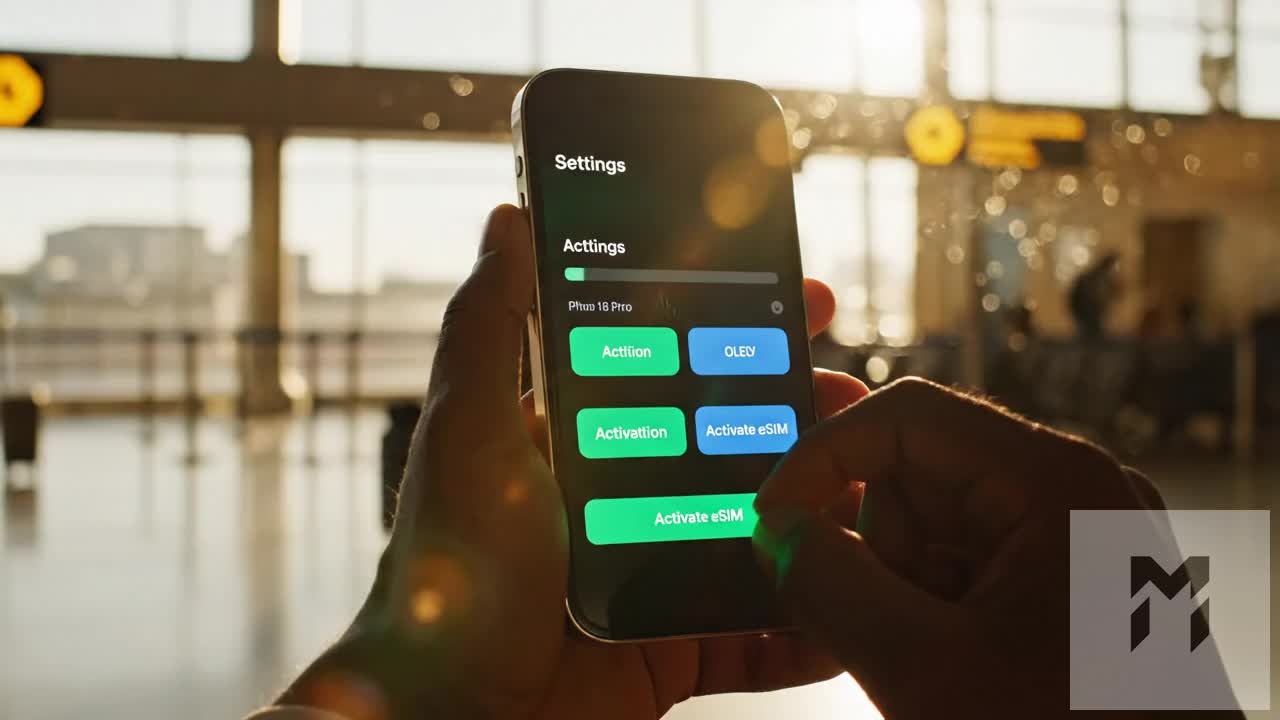
Imagine landing in Tbilisi, Yerevan, or Baku and having immediate access to high-speed data without a moment's delay. MollySIM makes this a reality through its instant activation process. There's no need to hunt for local SIM card vendors at the airport, wait in lines, or grapple with complex activation procedures. Simply purchase your MollySIM plan online, scan a QR code, and your device is provisioned with connectivity before you even leave the tarmac. This ensures you're connected the moment you land, ready to order a ride, check maps, or contact loved ones without any pre-trip stress or post-arrival scrambling.
Intelligent Network Switching: Unwavering Signal Strength
The Caucasus terrain is famously challenging, with deep valleys, remote villages, and towering peaks that can test even the most robust mobile networks. Unlike single-carrier physical SIMs that are tethered to one provider's infrastructure, MollySIM leverages intelligent network switching technology. This means your device automatically connects to the strongest available partner network in any given location. For instance, in Georgia, MollySIM dynamically switches between GeoCell and MagtiCom; in Armenia, it utilizes VivaCell-MTS and Ucom; and in Azerbaijan, it optimizes between Azercell and Bakcell. This sophisticated capability ensures you consistently receive the strongest possible signal, dramatically improving coverage reliability even in remote valleys or high mountain passes where single-carrier performance often falters. This commitment to robust, multi-network coverage stands in stark contrast to the often-unreliable performance of single-carrier physical SIMs in challenging terrains.
Beyond Basic: High-Performance Data for Adventurers
MollySIM understands that basic connectivity isn't enough for modern adventurers. That's why it offers a superior data experience, particularly evident in its Fair Use Policy (FUP) speed limit. While many competitors throttle speeds to a sluggish 128kbps after a certain data threshold, MollySIM maintains a much more usable 384kbps. This crucial difference is three times faster, ensuring that essential applications like Google Maps continue to load smoothly, navigation remains responsive, and even mobile payment systems like Apple Pay function without frustrating delays. This higher FUP speed is a game-changer for hikers and adventurers who rely on their devices for navigation, emergency communication, and staying connected with their support network.
Effortless Management & Flexibility
Managing your data plan with MollySIM is as straightforward as its activation. The intuitive MollySIM app provides a transparent overview of your data usage, allowing you to monitor consumption in real-time. Should your adventures extend longer than planned or require more data, topping up your plan is quick and easy directly through the app, offering unparalleled flexibility and control over your connectivity. This seamless management ensures you always have the data you need, precisely when you need it, without any hidden fees or complicated procedures.
The MollySIM 384kbps FUP: Your Essential Safety Net in the Wild
While the previous section touched upon MollySIM's superior 384kbps Fair Use Policy (FUP) speed, it's crucial to delve deeper into why this specific speed isn't merely a convenience, but a fundamental safety net for anyone venturing into the unpredictable terrains of the Caucasus Mountains. For hikers and adventurers, the difference between a functional connection and a complete data blackout can be life-altering.
Many eSIM providers, once your high-speed data allowance is exhausted, drastically throttle speeds down to a near-unusable 128kbps. This often means applications time out, messages fail to send, and any attempt at navigation becomes an exercise in frustration. MollySIM, however, maintains a robust 384kbps – a speed that is three times faster than these industry standard throttles. This isn't just a marginal improvement; it's the threshold at which essential digital tools remain genuinely operational, providing a lifeline when you need it most.
Real-World Lifelines: How 384kbps Keeps You Safe
Emergency Communications: Your Voice in the Wilderness
Imagine an unexpected turn of events: a sprained ankle on a remote trail, a sudden change in weather, or simply getting disoriented. In such scenarios, the ability to communicate is paramount. With MollySIM's 384kbps FUP, you're not left isolated.
- Sending Text Messages & Basic WhatsApp: Standard text messages and basic WhatsApp chats (without heavy media attachments) send and receive reliably. You can inform your support team of your status, share critical updates, or coordinate rescue efforts. This capability is a stark contrast to a 128kbps connection, where even a simple text might struggle to transmit, let alone receive.
- Low-Bandwidth VoIP Calls: While not suitable for high-definition video calls, voice-over-IP (VoIP) applications like WhatsApp calls or basic Messenger calls can function at this speed. This means you can verbally communicate with emergency services or loved ones, providing nuanced details that text alone might miss. Having a clear voice connection can be invaluable for relaying complex information during an emergency.
Essential Navigation: Staying on Track, Even Off-Grid
Even with pre-downloaded maps, real-time updates and location sharing are invaluable for adventurers.
- Loading Simplified Maps: While detailed satellite imagery might be slow, simplified vector maps (like those in Google Maps or Apple Maps in basic mode) will still load, allowing you to pinpoint your current location, verify your route, or find the nearest point of interest or shelter. MollySIM's 384kbps ensures that these critical map functions, including turn-by-turn directions, remain responsive enough to be practical.
- Receiving GPS Coordinates & Sending Location Data: Precisely sharing your GPS coordinates with rescuers or fellow hikers is effortless. You can send your live location via messaging apps, ensuring that help can find you quickly and accurately. This feature is a cornerstone of backcountry safety, and a functional FUP speed makes it possible to share your exact whereabouts when every meter counts.
Critical Safety Checks: Proactive Preparedness
Beyond immediate emergencies, consistent basic connectivity supports proactive safety measures, helping you mitigate risks before they escalate.
- Accessing Basic Weather Updates: Mountain weather can change rapidly and unpredictably. With 384kbps, you can quickly load text-based weather forecasts or simplified radar images to anticipate storms, plan your next move, or decide whether to seek shelter. This allows for informed decision-making that can prevent dangerous situations.
- Sending 'I'm OK' Messages: For solo adventurers or groups with staggered schedules, sending a quick 'I'm OK' message to a designated contact provides immense reassurance and is easily accomplished even on FUP speeds. This simple act can prevent unnecessary worry or premature activation of emergency protocols, ensuring your support network is always up-to-date on your status.
The Unquantifiable Benefit: Peace of Mind
Perhaps one of the most significant, yet often overlooked, benefits of MollySIM's 384kbps FUP is the psychological comfort it provides. Knowing that you're never truly disconnected, even deep in the wilderness of the Caucasus, alleviates a tremendous amount of stress and anxiety. This peace of mind allows adventurers to focus on their journey, confident that a safety net is always available should the unexpected occur. It transforms a potential crisis into a manageable situation, empowering you to explore with greater confidence and less apprehension about being truly isolated.
MollySIM's Advantage: A True Safety Net, Not a Dead End
Many other providers treat FUP as a last resort, throttling speeds to a point where connectivity is virtually useless. They effectively cut off data, leaving users stranded with a 'connected' device that can't perform essential functions. MollySIM (https://mollysim.com) fundamentally redefines this. Its commitment to a 384kbps FUP ensures that your eSIM remains a vital tool, not a dead weight, even after your primary data is consumed. This isn't about enabling streaming or heavy downloads; it's about guaranteeing the core functionalities that keep you safe and connected when it matters most. It’s the critical difference between being able to call for help or being completely cut off from the outside world during a crucial moment.
For hikers and adventurers exploring the majestic, yet demanding, landscapes of the Caucasus Mountains, MollySIM's 384kbps FUP is more than just a feature – it's an indispensable component of their safety kit. It ensures that critical communications, navigation, and safety checks remain viable, offering a robust fallback that truly aligns with the unpredictable nature of outdoor exploration. This thoughtful approach to connectivity provides the ultimate peace of mind, allowing you to push your limits with confidence, knowing that essential support is always within reach.
Mastering Connectivity: Practical Tips for Battery & Data Management in the Mountains
Exploring the majestic, yet demanding, landscapes of the Caucasus Mountains requires more than just physical endurance; it demands smart management of your digital lifelines. Optimizing your device's battery and data usage is paramount for ensuring continuous connectivity, especially when relying on an eSIM for navigation, communication, and safety.
Maximizing Battery Life: Powering Your Journey
A dead phone in the remote wilderness isn't just an inconvenience; it can be a critical safety hazard. Proactive battery management is an essential skill for any adventurer.
- Enable Low Power Mode: This fundamental setting, available on most smartphones, significantly reduces background app refresh, visual effects, automatic downloads, and email fetch. Activate it as soon as you leave civilization or when your battery drops below a certain threshold to drastically extend your device's operational time.
- Strategic Use of Airplane Mode: In areas with no cellular signal (e.g., deep valleys, remote mountain passes), your phone will constantly search for a network, rapidly draining power. Toggle Airplane Mode to conserve battery, especially overnight or during long stretches where you don't expect connectivity. Remember to switch it off periodically to check for signal or when you reach a known coverage area.
- Disable Unnecessary Background App Refresh: Dive into your phone's settings and turn off background refresh for apps you don't need constantly updating. Social media, news apps, and streaming services are prime culprits for silent battery drain, consuming power even when not actively in use.
- Reduce Screen Brightness: The screen is one of the biggest power consumers. Manually adjust your brightness to the lowest comfortable level, especially outdoors. Avoid relying solely on adaptive brightness, which can sometimes be overly bright and unnecessarily drain power.
- Carry a High-Capacity Power Bank: This is non-negotiable for any multi-day trek. Aim for a power bank with at least 10,000-20,000 mAh, capable of providing multiple full charges for your devices. Ensure it's fully charged before you depart.
- Consider Solar Chargers for Extended Treks: For expeditions lasting several days or weeks, a portable solar charger can be a valuable supplement. While slower and dependent on sunlight, they offer a sustainable way to top up smaller devices or power banks over time, reducing reliance on external power sources.
- Protect from Extreme Temperatures: Cold weather significantly reduces battery efficiency. Keep your phone and power bank insulated, perhaps in an inner pocket close to your body, to maintain optimal operating temperature and prolong battery life.
Data Maximization: Making Every MB Count
While MollySIM (https://mollysim.com) offers generous data packages and a robust 384kbps Fair Use Policy (FUP) speed, smart data management ensures you stay connected for longer, especially when primary data is crucial for navigation or emergencies.
- Download Offline Maps BEFORE You Go: This is perhaps the most critical data-saving tip. Apps like Google Maps, Maps.me, Gaia GPS, and OSMAnd allow you to download entire regions or specific trail maps for offline use. This means you can navigate accurately without consuming any cellular data, even when completely off-grid.
- Pre-download Entertainment & Information: Before heading into areas with limited or no signal, download podcasts, music, e-books, movies, and digital guidebooks. Also, save important documents (e.g., passport copies, accommodation bookings, emergency contacts) directly to your device or a cloud service accessible offline.
- Monitor Data Usage via the MollySIM App: Stay informed about your remaining data balance. The MollySIM app provides real-time tracking, allowing you to adjust your usage habits or purchase top-ups if needed. You can also set data usage warnings on your phone's settings to prevent accidental overconsumption.
- Utilize Wi-Fi Whenever Available: In guesthouses, cafes, or towns, prioritize using local Wi-Fi networks for heavy data tasks like app updates, large file downloads, video calls, or uploading photos. This preserves your valuable eSIM data for when you're truly on the trail and Wi-Fi isn't an option.
- Understand MollySIM's FUP Advantage: Even if your primary data allowance is exhausted, MollySIM's industry-leading 384kbps FUP ensures essential services remain functional. This speed is 3x faster than many competitors' 128kbps FUP, meaning you can still reliably use low-bandwidth applications like Google Maps for navigation, send text messages, and even make low-quality voice calls – a critical safety net in the mountains.
Optimizing Device Settings for Seamless eSIM Usage
A few tweaks to your phone's settings can significantly improve your eSIM experience in challenging mountain environments, ensuring reliable connectivity when it matters most.
- Disable Automatic Network Selection: In areas with fluctuating or multiple weak signals (common in border regions or mountainous terrain), your phone might constantly switch between networks, leading to dropped connections or slow speeds. Manually select a stable local network in your phone's cellular settings to maintain a consistent connection.
- Ensure Data Roaming is Enabled for Your eSIM Profile: For your MollySIM eSIM to function internationally, data roaming must be enabled specifically for that eSIM profile in your phone's cellular settings. Without it, your eSIM won't connect to local partner networks and you'll experience no data service.
- Set eSIM as Primary Data Line: Confirm that your MollySIM eSIM is designated as your primary cellular data line when you need to use it. If you have multiple SIMs (e.g., a physical SIM for calls and an eSIM for data), ensure the correct one is active for data usage.
- Disable Wi-Fi Assist / Smart Network Switch: These features, designed to seamlessly switch between Wi-Fi and cellular data, can sometimes consume cellular data unnecessarily if a Wi-Fi signal is weak or intermittent. Turn them off to have full control over when your data is used, preventing unexpected data drain.
Emergency Preparedness: Beyond Digital Connectivity
While your MollySIM eSIM provides an unparalleled layer of digital safety, remember that technology is a tool, not a replacement for fundamental wilderness preparedness.
- Carry Traditional Navigation Tools: Always pack a physical map and compass and know how to use them. Batteries die, screens break, and GPS signals can be obstructed by dense terrain or adverse weather. These analog tools are your ultimate backup.
- Emergency Whistle & First Aid Kit: A loud whistle can signal for help over long distances, especially in foggy or visually obstructed conditions. A basic first aid kit is essential for treating minor injuries or stabilizing more serious ones until professional help arrives.
- Inform Someone of Your Itinerary: Share your detailed hiking plan, including expected routes, campsites, and return times, with a trusted friend or family member. This allows them to raise an alarm if you don't check in as planned.
- MollySIM's FUP as a Last Resort: In a true emergency, even if your main data is depleted, MollySIM's 384kbps FUP offers a lifeline. This speed is sufficient for sending critical text messages, loading basic web pages for emergency information, or even making a low-bandwidth voice call, providing a crucial margin of safety that slower FUPs simply cannot match when every second counts.
Seamless Setup: Activating Your MollySIM for Your Caucasus Journey
Preparing for an adventure in the Caucasus involves meticulous planning, but connecting to the internet shouldn't be a source of stress. MollySIM streamlines your digital setup, ensuring you can focus on the breathtaking landscapes and cultural experiences rather than wrestling with local SIM cards or exorbitant roaming fees. Activating your MollySIM eSIM is a straightforward process, designed for speed and simplicity, so you're connected from the moment you arrive.
Step 1: Purchase Your Caucasus Plan
Your journey to seamless connectivity begins at the MollySIM platform.
- Visit MollySIM: Navigate to the official MollySIM website at https://mollysim.com or download the dedicated MollySIM app from your device's app store.
- Select Your Destination: Use the search bar to find "Caucasus" or specific countries within the region, such as "Georgia," "Armenia," or "Azerbaijan." MollySIM offers convenient regional plans that cover multiple countries, ideal for adventurers planning to traverse borders.
- Choose Your Plan: Browse the available eSIM data plans. Consider your expected data usage and trip duration:
- Light User (1-3 GB): Perfect for occasional map checks, messaging, and light browsing.
- Moderate User (5-10 GB): Suitable for regular navigation, social media updates, and some video streaming.
- Heavy User (15+ GB): Ideal for remote work, extensive streaming, or sharing your connection with others.
Each plan clearly displays its data allowance, validity period (e.g., 7 days, 15 days, 30 days), and covered countries.
- Complete Purchase: Once you've selected the plan that best fits your needs, proceed to checkout. MollySIM accepts various secure payment methods. After a successful purchase, you will receive a confirmation email containing your eSIM installation details, typically a QR code and manual installation information. Keep this email safe.
Step 2: Install Your eSIM Profile
Installing the eSIM profile is a quick, one-time process. It's crucial to install the eSIM before your trip, but do not activate it until you arrive in the Caucasus to ensure your plan's validity period starts at the correct time.
For iOS (iPhone) Users:
- Go to Settings > Cellular (or Mobile Data).
- Tap Add eSIM (or Add Data Plan).
- Choose Use QR Code. Scan the QR code provided in your MollySIM confirmation email. If scanning isn't possible, select Enter Details Manually and input the SM-DP+ Address and Activation Code.
- Follow the on-screen prompts. You may be asked to label your new eSIM (e.g., "MollySIM Caucasus" or "Travel eSIM"). This helps distinguish it from your primary SIM.
- When prompted, select Don't Turn On This Line for now. You'll activate it upon arrival.
For Android Users:
- Go to Settings > Network & Internet (or Connections).
- Tap SIMs (or Mobile Network) > Add more (or Download a SIM).
- Tap Download an eSIM (or Add eSIM).
- Choose Scan QR code and scan the QR code from your MollySIM email. If you can't scan, select Enter it manually and input the provided details.
- Follow the on-screen prompts. Label your eSIM for easy identification (e.g., "MollySIM Caucasus").
- Ensure the eSIM is installed but not yet enabled as your primary data source.
Step 3: Activate Your Data Upon Arrival
Once your plane touches down in the Caucasus, it's time to enable your MollySIM eSIM and get connected.
- Enable Your eSIM:
- iOS: Go to Settings > Cellular (or Mobile Data). Tap on your labeled MollySIM eSIM and toggle Turn On This Line.
- Android: Go to Settings > Network & Internet (or Connections) > SIMs. Tap on your labeled MollySIM eSIM and toggle it On.
- Set as Primary for Data: Ensure your MollySIM eSIM is selected as the primary line for Mobile Data. You can keep your home SIM active for calls/texts if needed, but make sure its data roaming is off to prevent unexpected charges.
- Enable Data Roaming: This is a critical step for eSIMs to connect to local networks.
- iOS: Go to Settings > Cellular (or Mobile Data). Tap on your MollySIM eSIM, then toggle Data Roaming to ON.
- Android: Go to Settings > Network & Internet (or Connections) > SIMs. Tap on your MollySIM eSIM, then toggle Roaming to ON.
- Network Selection: In most cases, your phone will automatically connect to the strongest available partner network. If you experience issues, you can manually select a network:
- iOS: Settings > Cellular > MollySIM eSIM > Network Selection > Toggle Automatic OFF > Choose an available network.
- Android: Settings > Network & Internet > SIMs > MollySIM eSIM > Network operators > Toggle Choose automatically OFF > Select a network.
Within moments, you should see a signal indicator and be connected to the internet, ready to navigate, share, and communicate.
Step 4: Managing Your MollySIM Plan
The MollySIM app is your command center for managing your connectivity throughout your Caucasus adventure.
- Monitor Data Usage: Open the MollySIM app to view your real-time data consumption. This allows you to track how much data you have left and plan accordingly.
- Top-Up Data: If you find yourself running low on data, you can easily purchase additional data packages directly through the MollySIM app. This ensures uninterrupted connectivity. Even if your primary data runs out, MollySIM's generous 384kbps Fair Use Policy (FUP) speed limit provides a crucial safety net – it's 3x faster than many competitors' 128kbps FUP. This speed is sufficient for essential tasks like loading Google Maps or Apple Pay, sending messages, and accessing basic web pages, keeping you connected when it matters most.
- Switch Plans: If your travel plans change, or you move to a region requiring a different plan, the app allows for seamless management and switching between active eSIMs.
Troubleshooting Common Issues
While MollySIM is designed for reliability, occasional issues can arise. Here's how to address them:
- "No Service" or "SOS Only":
- Double-check that your MollySIM eSIM is enabled and Data Roaming is ON.
- Restart your phone.
- Try manually selecting a network operator (refer to Step 3).
- QR Code Not Scanning: If the QR code isn't working, use the manual entry option provided in your confirmation email.
- Slow Speeds: Ensure you are in an area with good network coverage. If speeds are consistently slow, check your data usage in the MollySIM app; you might be operating under the FUP if your main data is depleted.
- Incorrect Plan or Activation Issues: If you believe there's an error with your purchased plan or activation, immediately contact MollySIM support.
MollySIM's dedicated customer support team is available 24/7 to assist you. You can reach them via the in-app chat, email, or through the support portal on their website (https://mollysim.com). They are equipped to resolve any connectivity challenges, ensuring your focus remains on the incredible Caucasus journey ahead.
🇪🇺 Europe 33 Countries High-Speed Travel eSIM & SIM Plans
Instant QR code activation, hotspot enabled, with guaranteed 384kbps fallback speed to keep Maps & Digital Wallets active.